
When Enough Is Enough
I came to Zambia expecting to learn.
That is one of the reasons people volunteer, although we often dress it up in language that places rather more emphasis on what we imagine we will give. We talk about helping, contributing and making a difference. Those things matter, but they are only part of the exchange.
The truth is that volunteering changes the volunteer too.
I am learning more about privilege.
Privilege is an uncomfortable word because people often hear it as an accusation. It can sound as though acknowledging what you have requires you to feel guilty for having it, and I am not sure guilt is particularly useful.
Awareness is.
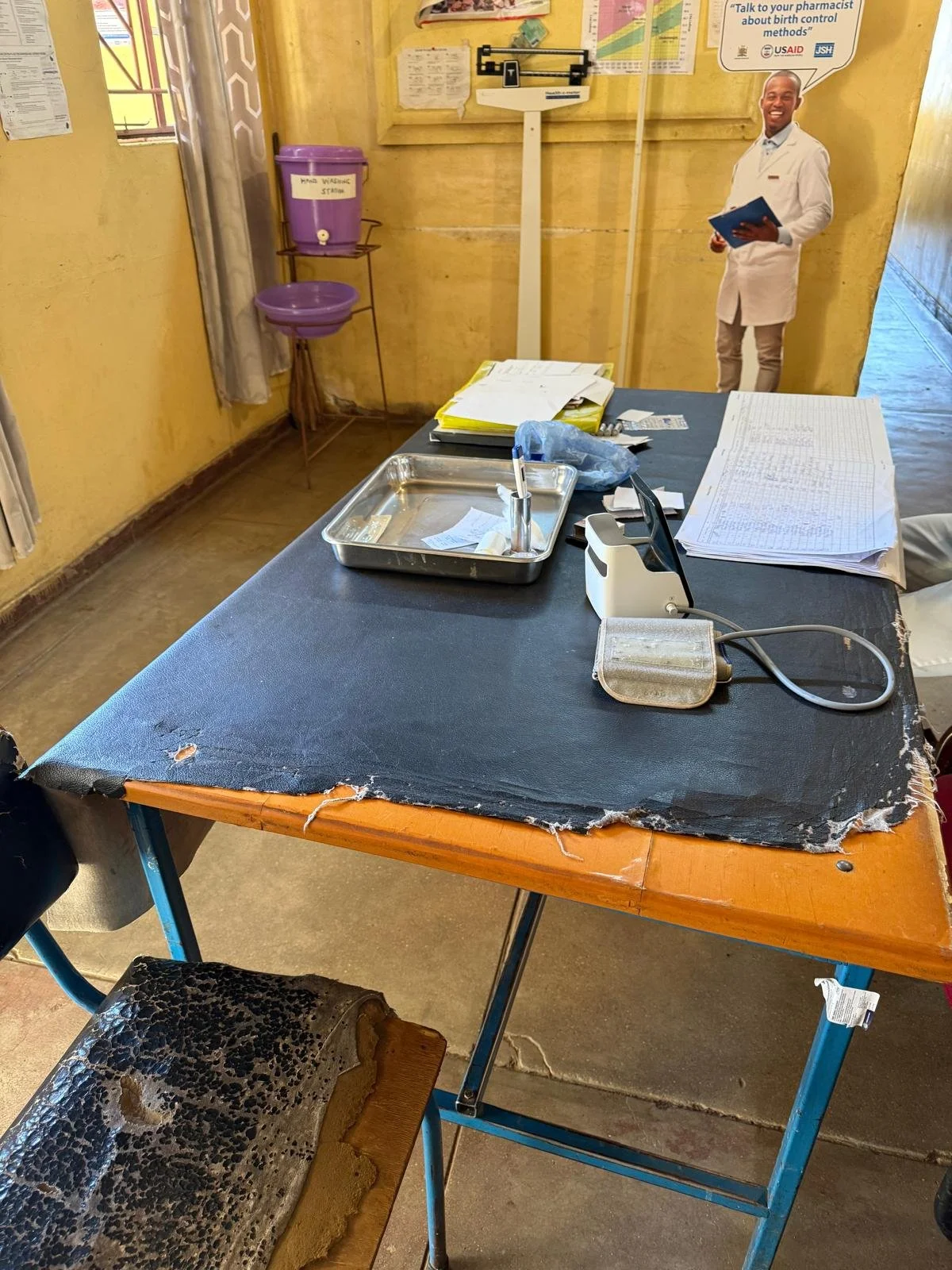
Privilege is not simply having more money or living somewhere with better services. Increasingly, I think it is about having options. It is being able to replace something when it breaks, seek a second opinion, travel to another clinic or buy a piece of equipment that makes managing your health easier.
It is having a backup plan.
In communities where those options are limited, relatively small barriers can have enormous consequences. A person may understand their condition perfectly well but lack the equipment needed to monitor it. Advice that sounds simple in a consultation room can become considerably harder to follow once transport, cost, availability and everyday life are added to the equation.
Healthcare is not only about knowledge. It is also about access.
I am learning about community too, although I want to resist romanticising it. Communities are not magically harmonious simply because they face hardship. People remain people. There will be disagreements, frustrations, gossip, difficult personalities and all the other things that appear whenever more than two human beings are gathered in one place.
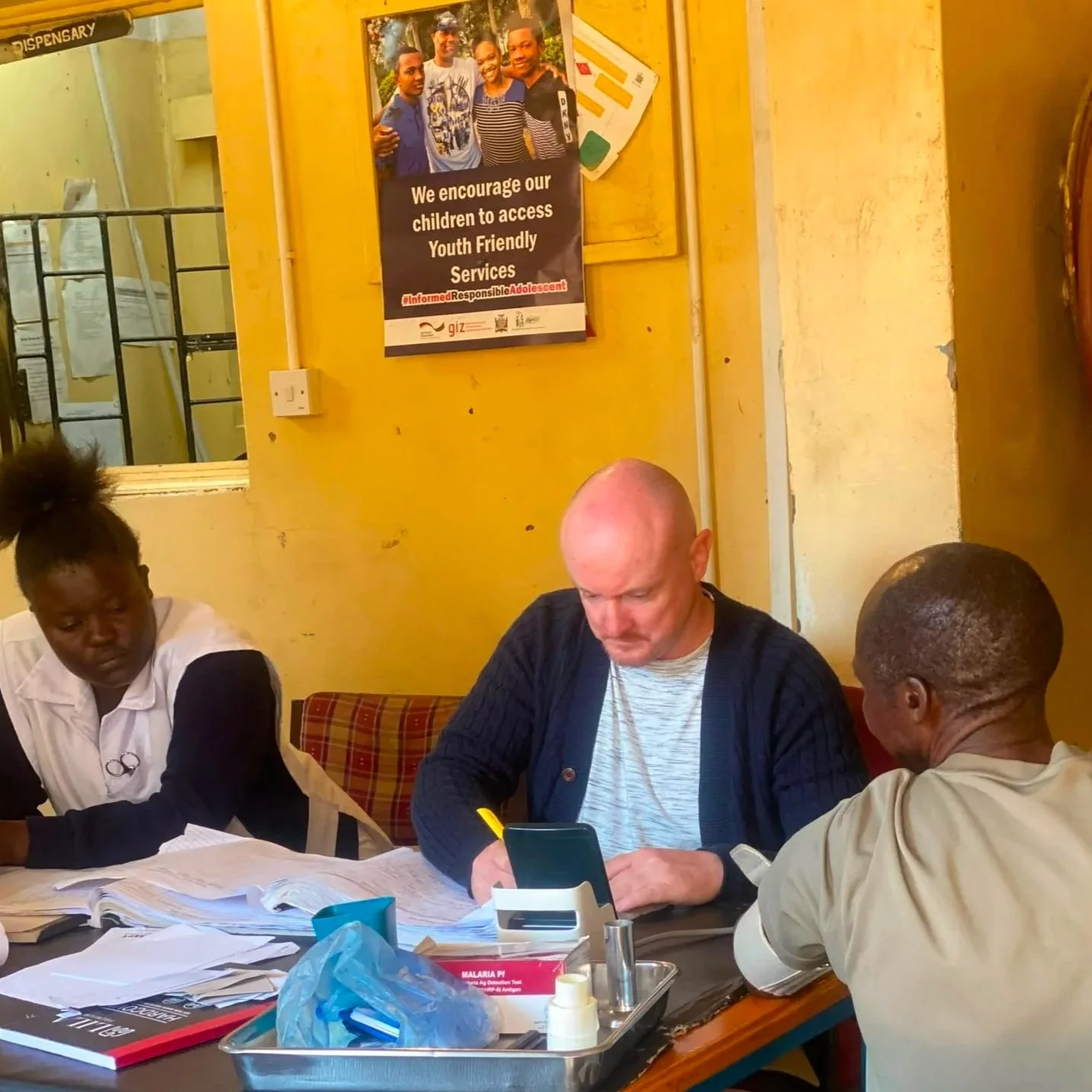
That has also made me appreciate the importance of relationships. Local teams know who needs checking, notice when somebody has not been seen and understand the circumstances behind a medical reading. They know which conversations will need to continue long after the visiting volunteers have gone home.
Care is not delivered by equipment alone. It travels through trust.
Becoming more conscious of the assumptions I carry and the options I take for granted has inevitably made me think about what I should do with them. When you can see more problems than you can possibly solve, there is a temptation to believe that the only adequate response is to keep doing more.
This presents something of a problem for me.
The lesson I did not expect to need was that enough is not the same as everything.
My instinct, when faced with a problem, is to do more. I take on another task, create another project or add something else to a list already displaying serious structural weaknesses. Being busy feels reassuring because it creates the impression that progress must be happening somewhere. It also makes patience rather difficult, and that remains very much a work in progress. I have never been especially gifted in that area. My natural preference is for things to happen immediately, ideally five minutes before I realised I wanted them.
Unfortunately, that constant urge to keep moving also means that I rarely feel finished.
Life here does not always operate on those terms.
Electricity disappears. Plans change. Journeys take longer than expected. Equipment is not always available, and an apparently straightforward task can require considerably more improvisation than it would at home.
Patience here is not passive. It does not mean accepting that nothing can be done. It means understanding that becoming frustrated with reality does not alter it, then working out what can be done with the time, people and resources available.
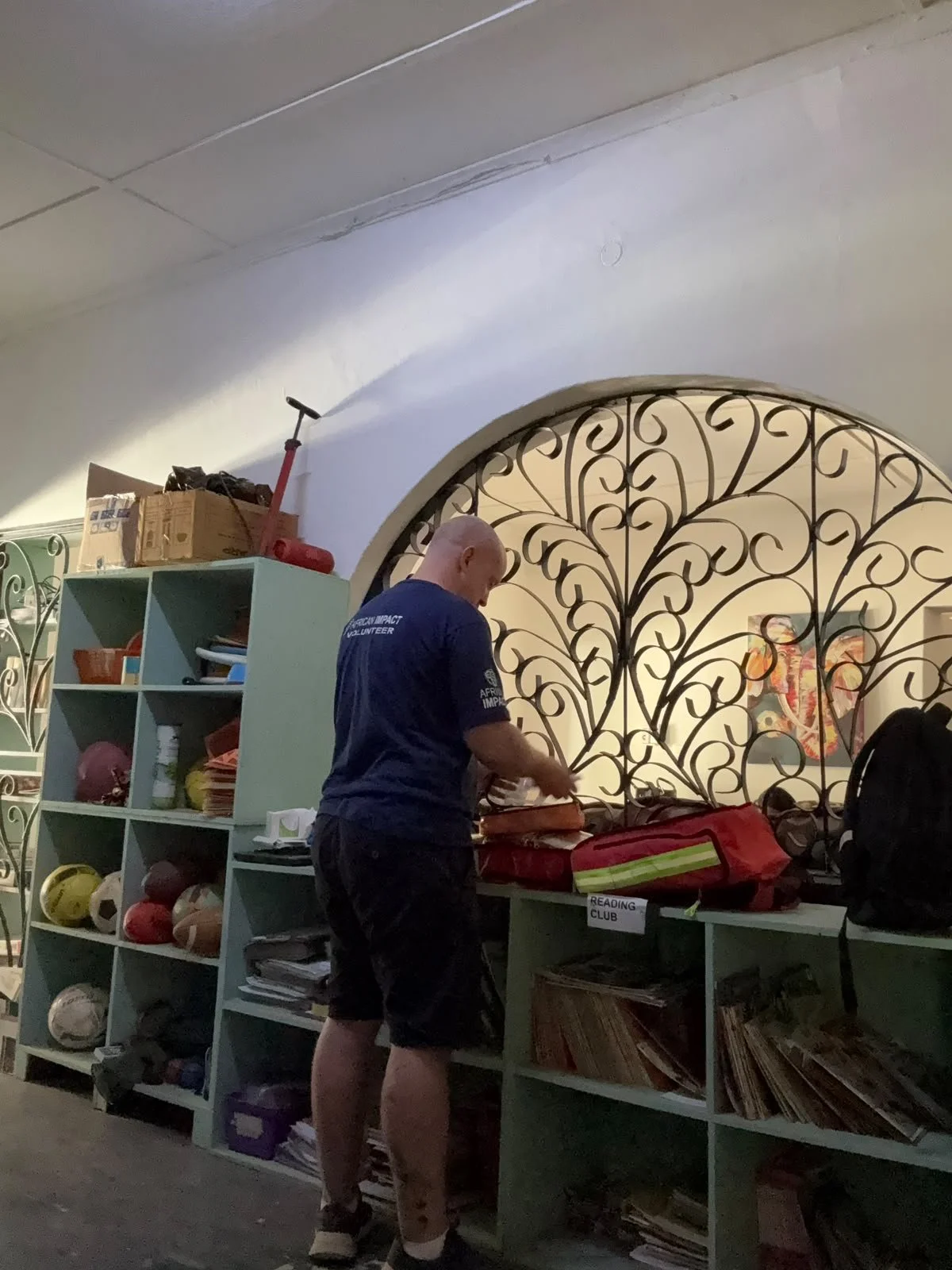
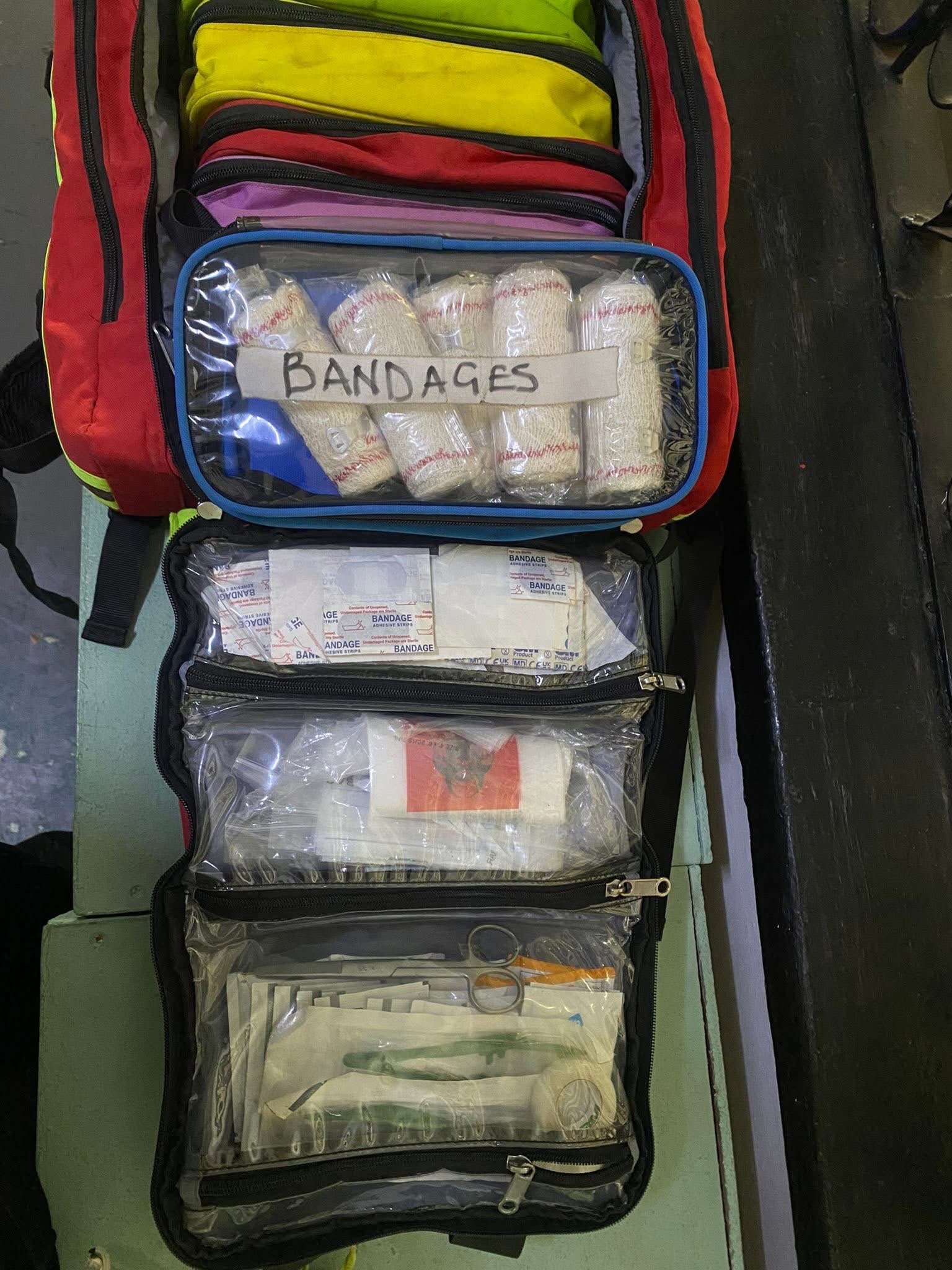
During my week as the only international volunteer, I moved between the different parts of the programme. I helped prepare medical kits, made sandwiches for the feeding programme, supported the clinic and covered educational activities where needed.

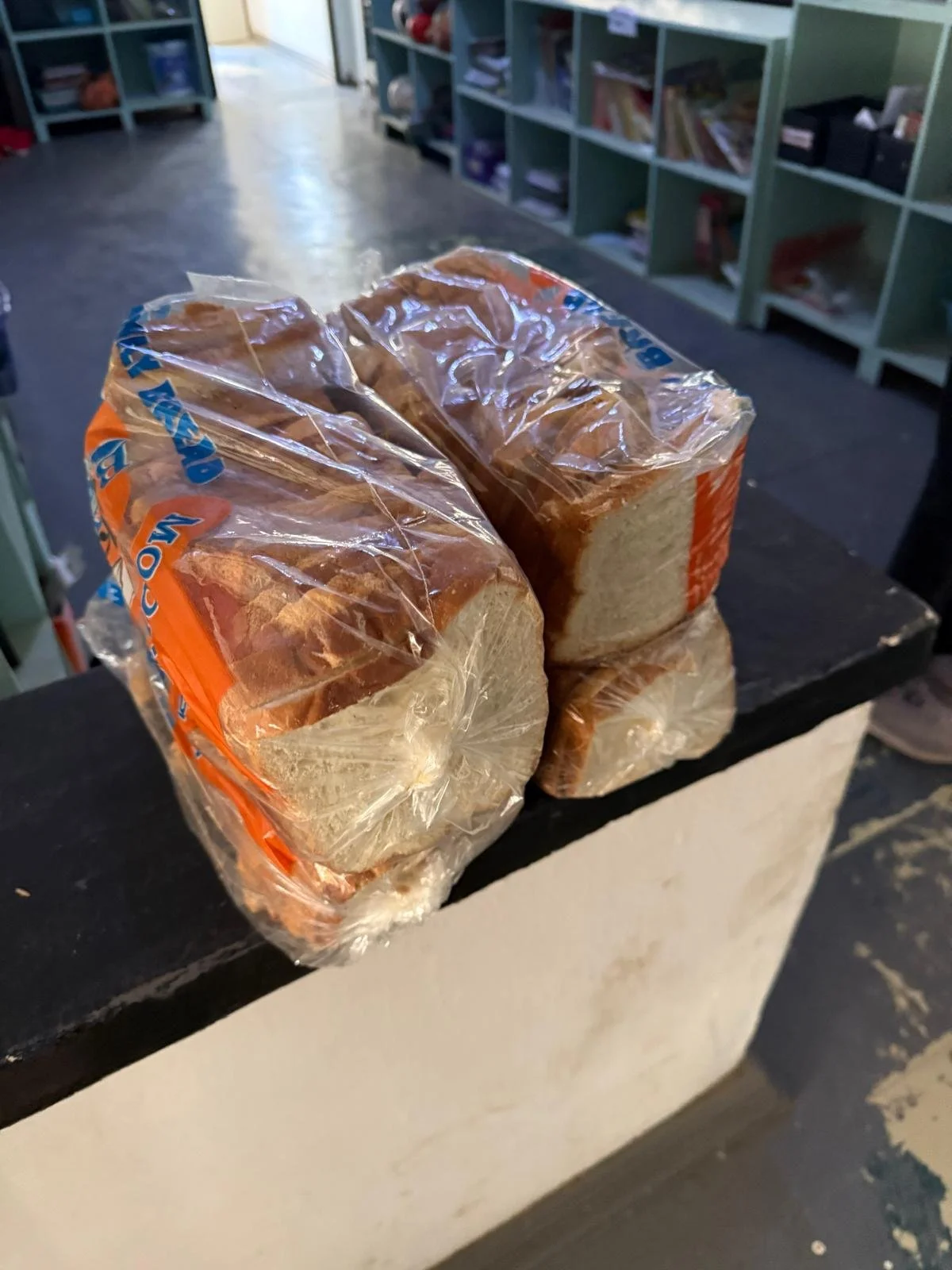
It felt busy, but not heroic. Mostly it felt like doing the next job in front of me and then looking around for the one after that.
Later, Mulenga told me that the week had felt fully staffed.
The comment stopped me.
My immediate reaction was not pride but disbelief. Surely I could have done more. There must have been something I had missed, somebody I could have helped or a task I should have completed more efficiently.
This is the internal voice with which I have chosen to spend my life. It has exacting standards and very little interest in annual leave.
Yet Mulenga was not offering a vague piece of encouragement. He was describing the practical effect of the work. The things that needed preparing had been prepared, the programmes had been supported and people had been where they were needed.
It had been enough.
Volunteering can easily feed the belief that usefulness must be measured by exhaustion. There is always another person who needs support, another project requiring resources and another problem that cannot be solved within the time available.
If you are not careful, the scale of the need becomes a reason to dismiss whatever you have actually achieved.
That helps nobody.
The local team does not need a visitor trying to involve himself in everything simply because there will always be more that could be done. It needs somebody who listens, completes the tasks he has been given and understands that the work belongs to the people who will still be doing it after he has gone home.
This is perhaps the part of volunteering that receives the least attention. It is not about arriving with the largest possible plan. It is about joining something already in progress without assuming that your arrival should change its direction.
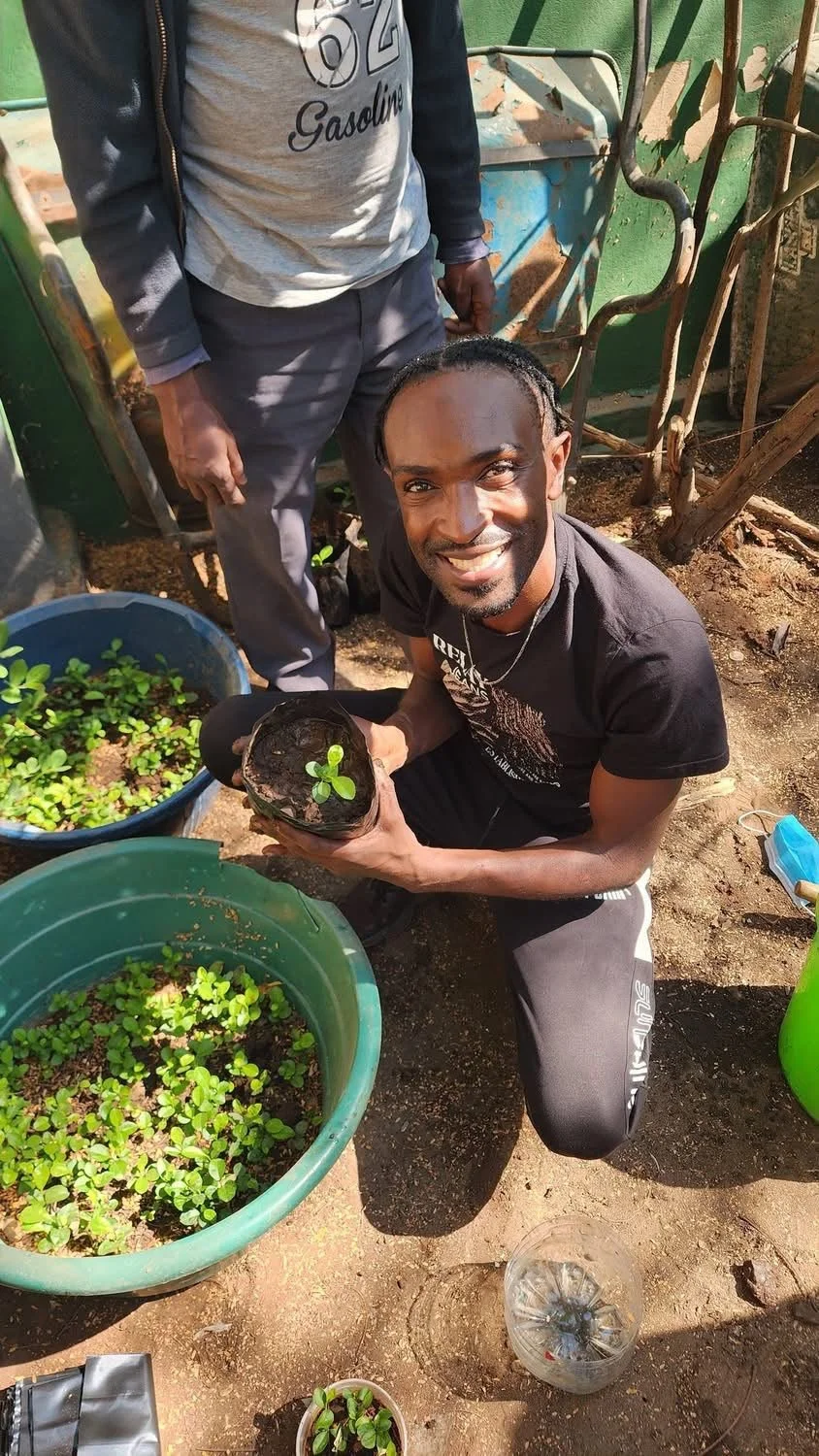
Sometimes that means doing something practical. Sometimes it means standing back and allowing somebody with far greater local knowledge to decide where your effort will be most useful.
It also means accepting limits.
I cannot fix every problem I have seen here. Some require sustained funding, stronger public services, specialist medical treatment or decisions far beyond the authority of one project. Caring about those problems does not give me the ability to solve them, and having the privilege to help with some of them does not mean I can, or should, solve all of them.
What I can do is contribute honestly and usefully while I am here, supporting a clinic for a day, preparing materials for a session or making sure a healthcare worker has the equipment required for a home visit. I can do the work in front of me without diminishing it simply because other work remains unfinished.
Accepting those limits does not mean becoming resigned to them. If anything, it has changed the way I think about hope.
From a distance, hope can sound sentimental, as though it simply means believing everything will somehow be fine. Here, it feels much more practical.
Hope is somebody returning to the same house to check again. It is a healthcare worker continuing despite limited supplies, a teacher preparing another lesson, a family caring for an older relative or a small piece of equipment placed where it can make daily life a little safer.
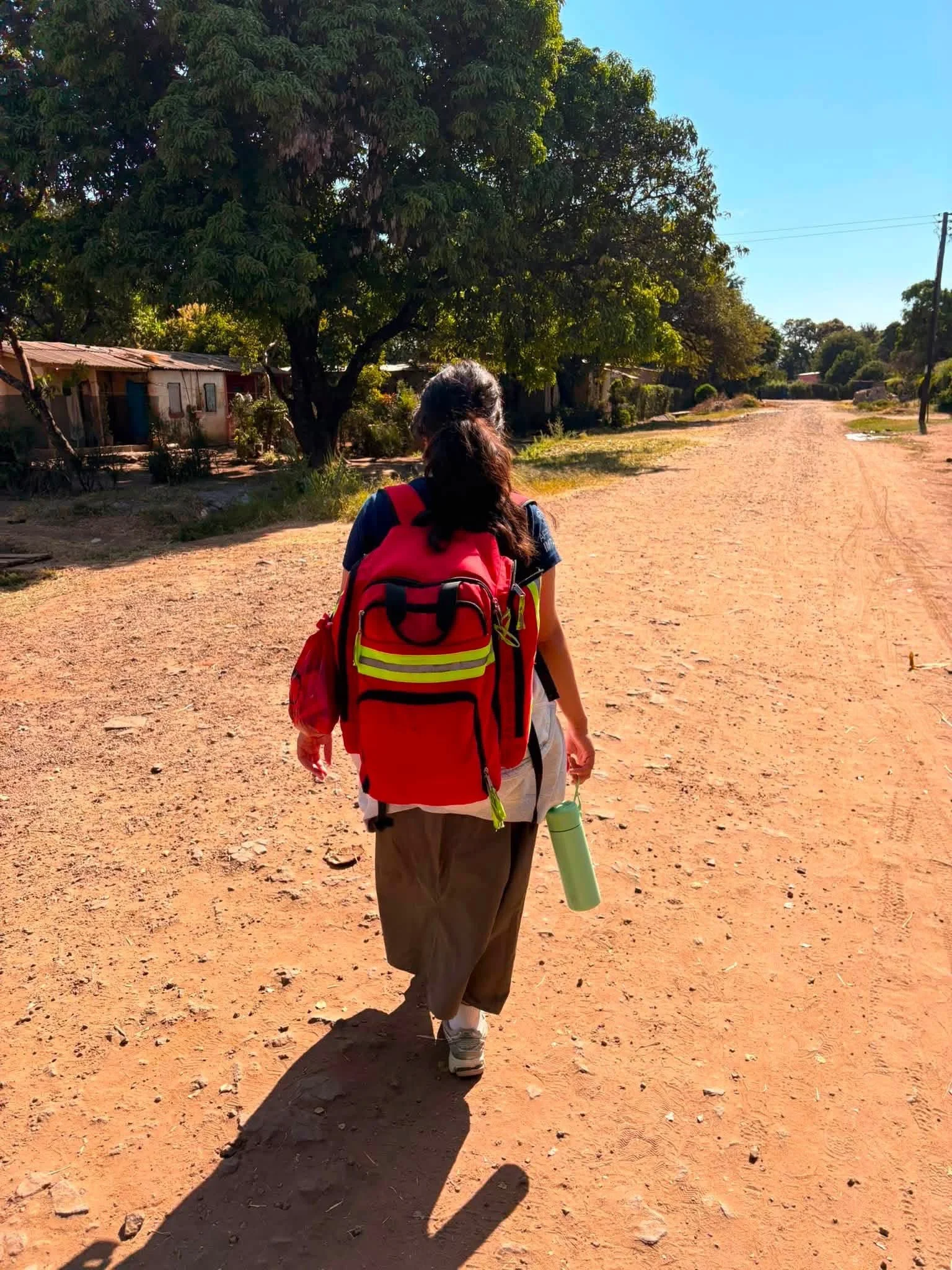
Hope is not the denial of difficulty. It is the decision that difficulty is not the end of the story.
Perhaps learning begins there, not with arriving somewhere new and believing you have understood it, but with recognising how much you still do not know, what you genuinely have to offer and where the limits of that contribution lie.
This may be the lesson I most need to carry home.
Not everything has to become another obligation. Not every good idea needs to be transformed immediately into a project. A contribution can matter without becoming all-consuming, and a day can be worthwhile even when it does not end with every problem resolved.
Mulenga told me that, during that week, the programme had felt fully staffed.
Perhaps the lesson is not that I should have done more.
Perhaps it is that I had done enough.