
A Different Kind of Calling
One of the stranger realisations I've had while volunteering in Zambia has nothing to do with medicine, Africa or even travel. It is that, in an odd sort of way, I seem to have spent the last few weeks living a life that bears an unexpected resemblance to one I nearly chose many years ago.
As a very young child, I wanted to be a monk.
People usually laugh when I tell them that, assuming I'm making some sort of joke. I'm not. Long before I understood careers, salaries or mortgages, I was fascinated by the idea of a life built around purpose rather than possessions. There was something deeply appealing about the simplicity of it all. A shared community, meaningful work, time for quiet reflection and the sense that each day was part of something much bigger than yourself.
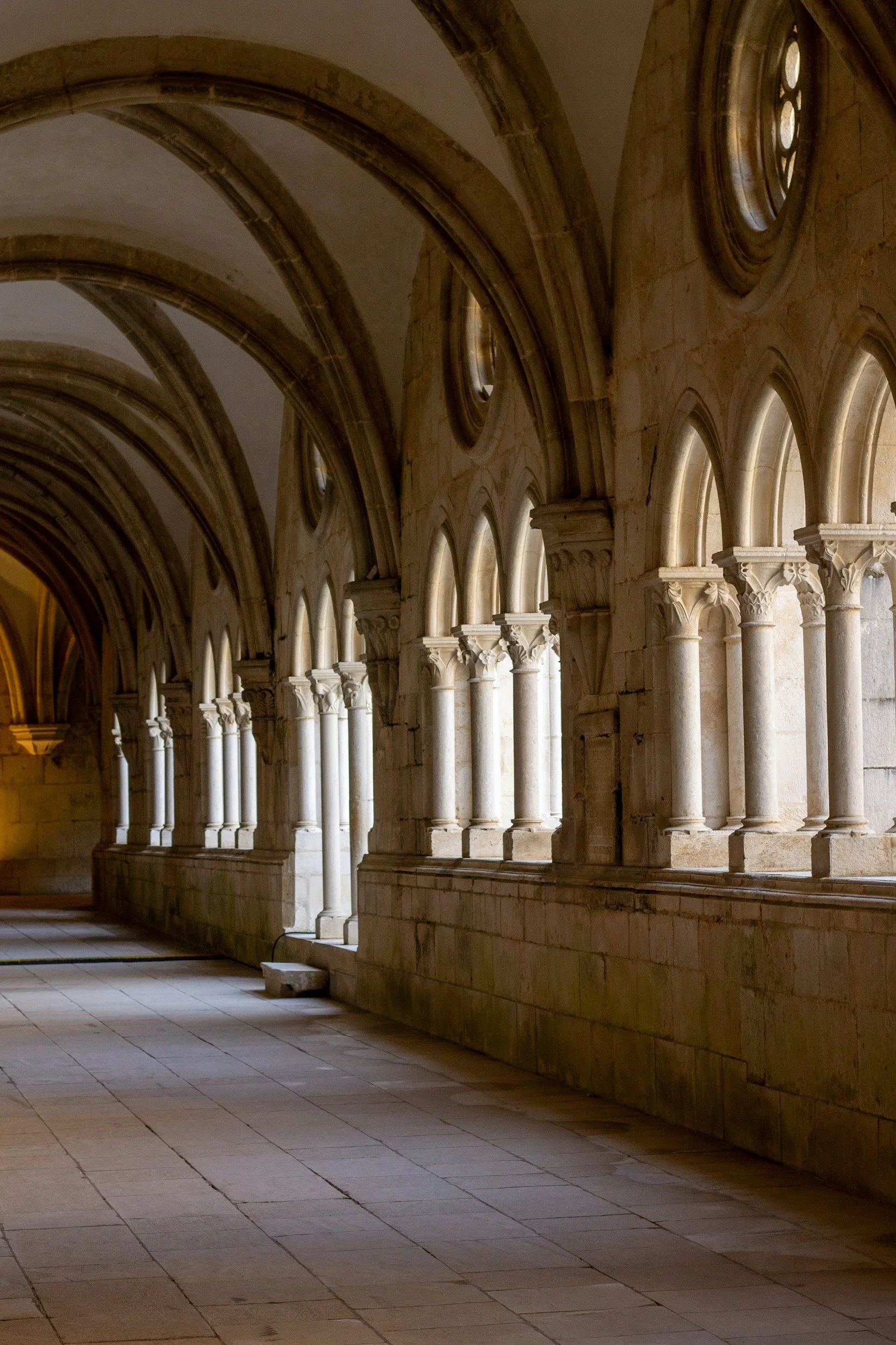
Life, of course, had other plans.
Yet somewhere between the early morning starts, packing medical supplies, walking from house to house, sharing meals around a table and ending each day quietly with my own thoughts, I've realised just how familiar this rhythm feels.
There is a structure to our days that I have come to appreciate. We rise early because there is work to be done, with patients to visit, medical supplies to prepare, equipment to organise and activities to support. Whether any of us particularly feels like getting started that morning is largely beside the point. The work needs doing, and there is something oddly liberating about that. Decisions become simpler when your purpose is already decided.
Meals are communal rather than hurried. We gather together, talk about the day, laugh at whatever has gone wrong and make plans for tomorrow before everyone drifts away again. There is little ceremony to it, and a quiet equality in sharing a table after sharing the work.
The work itself is rarely dramatic. Most days are built from small acts that, taken individually, seem almost insignificant. Checking a blood pressure, changing a dressing, having a conversation, offering some reassurance or simply walking another mile to the next house because another patient is waiting. None of these moments would make headlines, but together they become something much greater than the sum of their parts.
Then the evening arrives.
Back home, evenings have a habit of disappearing into television, emails and the endless temptation to fill every spare moment with noise. Here, there is often much less to distract you. Once the day is finished, there is space simply to sit and think, to write, to reflect and to notice what the day has quietly been teaching you.
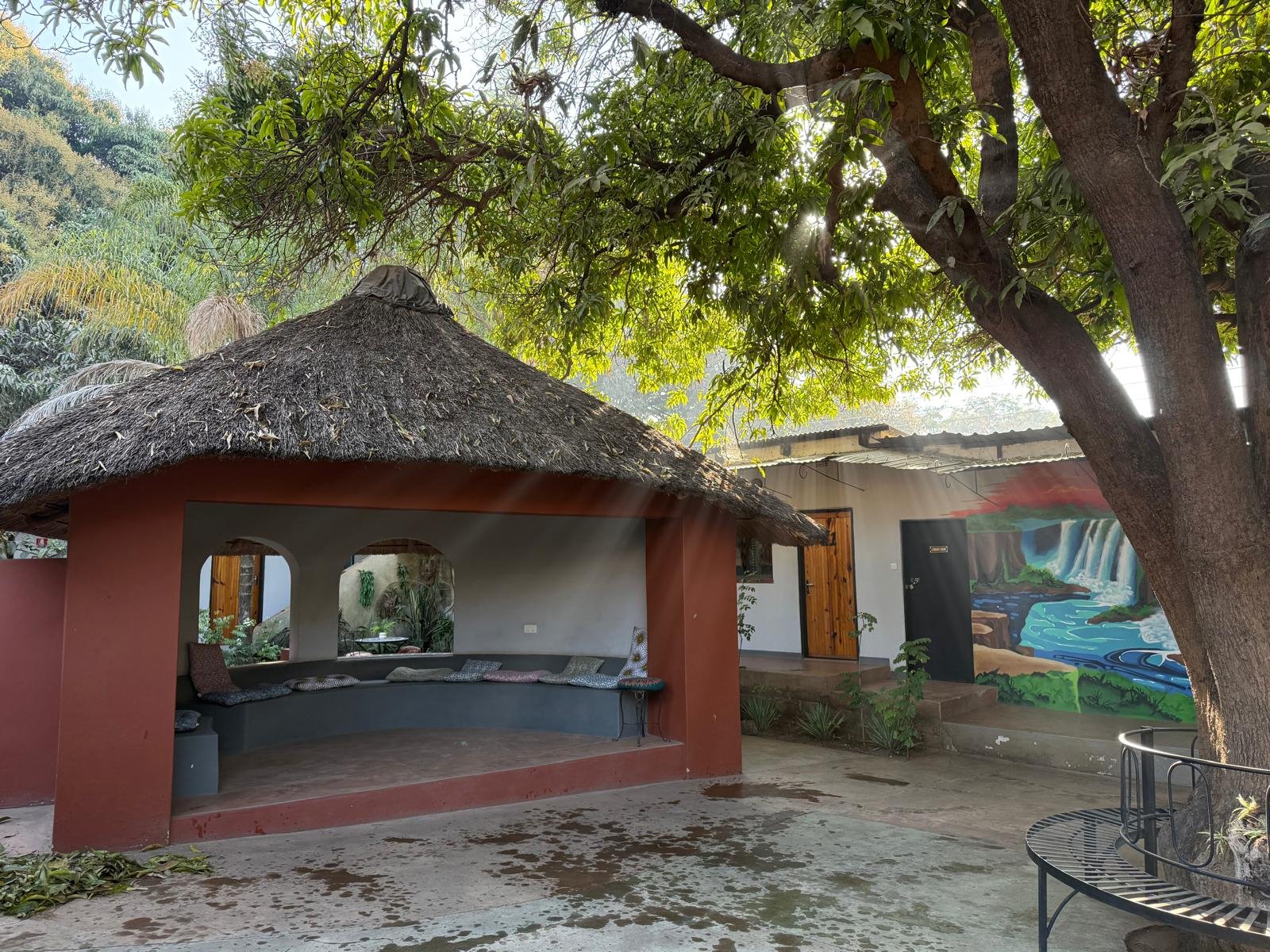
I'm not suggesting that volunteering in Zambia is the same as joining a monastery. One comes with considerably more mosquitoes and rather fewer Gregorian chants. But I do wonder whether I was always attracted to the same underlying idea.
Not withdrawal from the world, but engagement with it.
Not silence for its own sake, but enough quiet to hear your own thoughts.
Not giving everything up, but giving something of yourself.
Perhaps that little boy who imagined becoming a monk understood something about himself long before he had the words to explain it. Perhaps he wasn't really searching for religion at all, but the idea of a life with purpose, community and service at its centre.
If that's true, then maybe he wasn't entirely wrong. He simply took a rather different route to get here.