The Difference Your Donations Made
There is an awkward moment in fundraising when generosity becomes responsibility.
While the donations are arriving, the figures on the page are exciting. Every contribution moves the total upwards and confirms that somebody else believes in what you are trying to do.
Then you arrive, and the number becomes money that must be used carefully.
The question is no longer whether people will give. It is how to make sure what they gave reaches the places where it will be most useful.
That decision should not belong to me alone.
The local staff understand the projects, the communities and the gaps in existing provision far better than any visiting volunteer could. Conversations with Memory and the wider team have therefore been an essential part of deciding how the money raised through Positive Impact 20 should be used.
One of the clearest needs emerged during home-based care in Maramba.
A number of the patients we visited are living with diabetes and require regular monitoring of their blood sugar. The home-based care team can take readings during visits, but many of the people we met do not have their own meter to check their levels regularly at home.
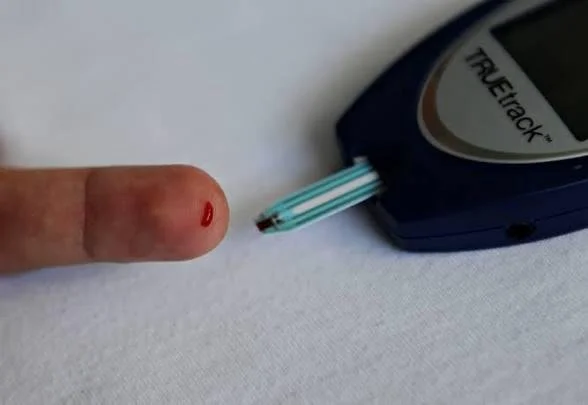
A reading taken during a visit provides useful information at that moment. The difficulty is everything that happens between visits.
Without a testing machine, people are left trying to manage a condition while missing one of the basic pieces of information needed to understand what their body is doing. The knowledge may be there. The willingness may be there.
The equipment is not.
The problem was not that they had failed to understand the advice. They lacked one of the tools needed to act upon it.
This is the point at which your donations stopped being a figure on a fundraising page.
They became something practical.
A blood glucose meter is not an especially dramatic object. It fits into one hand and is unlikely to feature prominently in anybody’s photographs of Zambia. In Britain, it is the sort of thing many of us would probably assume somebody could obtain if they needed one.
In the right home, however, its value lies not only in what it cost at the pharmacy, but in the information it can provide tomorrow morning, next week and on the days when the home-based care team is somewhere else.
That is where some of your donations went.
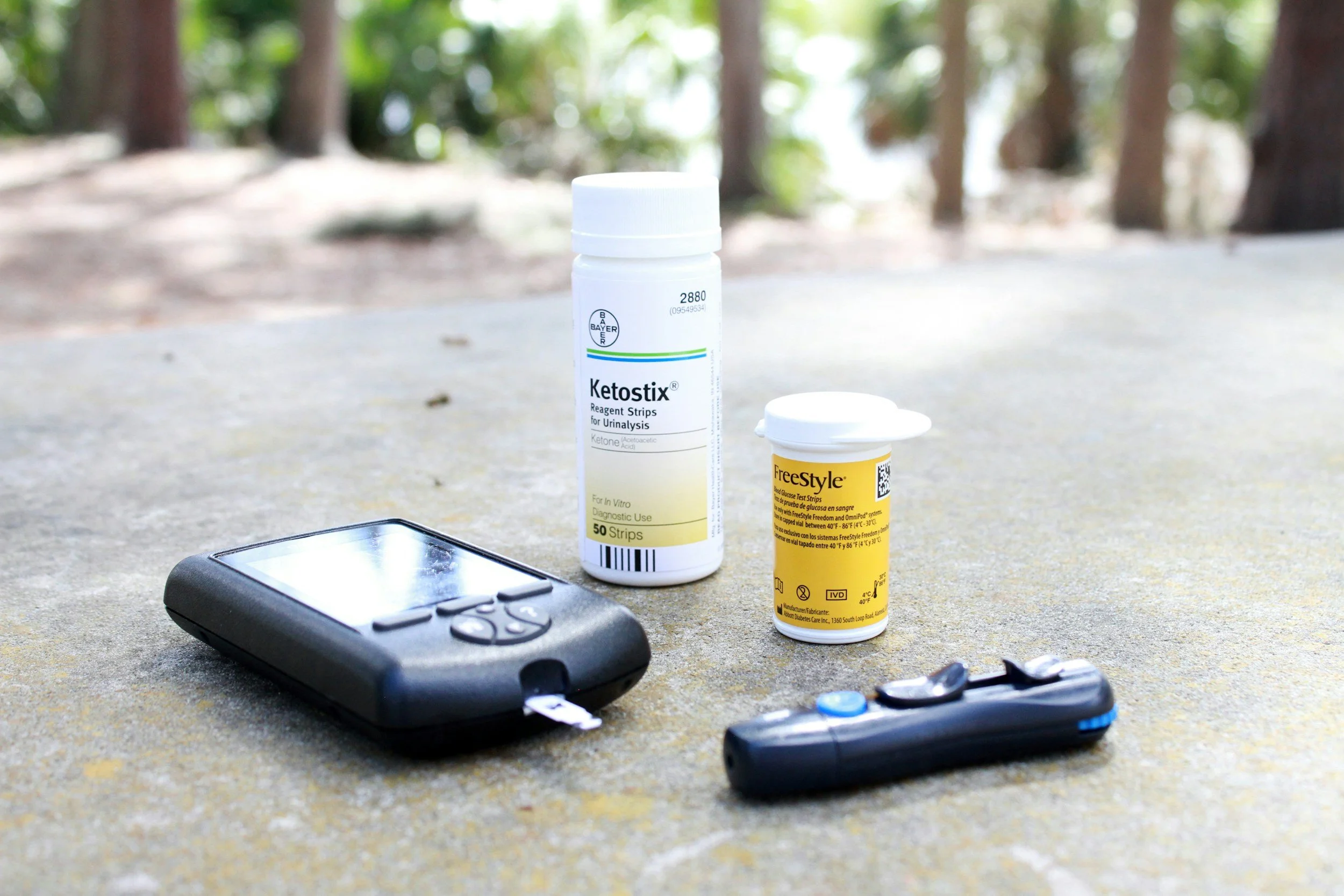
I walked to a pharmacy and purchased six Accu-Chek machines. Rueben and I then appear to have completely accidentally misplaced several of them in the homes of people in Maramba who needed them.
It is an extraordinary coincidence.
I will, naturally, deny any suggestion of premeditation. The evidence is entirely circumstantial, and I am confident no court would convict.
The joke makes the moment easier to describe, but the reason behind it was serious. Until then, the people receiving the machines had been dependent upon somebody else arriving with the necessary equipment. They now have the means to monitor their blood sugar at home, provided the testing strips remain available and the equipment continues to be used alongside appropriate medical advice.
That does not mean a few machines have solved the wider problem. They have not. Testing strips need to remain available, medication must be accessible and people still need appropriate advice and follow-up from local healthcare professionals.
Sustainable healthcare cannot be delivered through one enthusiastic British man wandering around Livingstone buying things, no matter how committed he may be to the strategy.
What the machines can do is remove one immediate obstacle for patients.
That is often what meaningful assistance looks like.
Not a sweeping solution, but one practical barrier made smaller.
That matters.
There is a temptation when writing about donations to produce a shopping list. We bought this many machines, this many supplies and this many items of equipment.
I can provide a financial account showing what was purchased and how much it cost. Those numbers provide accountability, and I will always be clear about how the money entrusted to me has been used, but a receipt cannot show the whole effect.
It cannot record the next time somebody uses one of those machines and discovers that their blood sugar is unusually high or low. It cannot measure the reassurance of being able to check rather than wait, or the value of having more information when speaking to a healthcare worker.
Those consequences will happen quietly, inside homes most donors will never visit.
This is why I wanted the fundraising to support needs identified here rather than contribute towards the cost of my travel. You did not donate to send me to Zambia. You were not paying for my flights, accommodation or personal expenses. You were helping to provide resources for the communities and projects I came here to support, so that my being here could help connect those resources with the people and places that needed them.
That connection is now real.
When you donated to Positive Impact 20, you trusted me to use the money where it could make a genuine difference.
Today, some of that generosity is sitting inside homes in Maramba.
There will be no plaque bearing the name of the donor. There may never be a photograph of the moment it makes the greatest difference, and most of you will never meet the people who use the equipment you helped provide.
Yet the connection exists.
A donation made in Britain became money available in Livingstone. The local team helped identify where it could make a practical difference. Some of it crossed a pharmacy counter, became six small machines and, in several cases, disappeared under deeply suspicious circumstances into homes where they were needed.
You may never see every consequence of an act of generosity.
That does not make the consequence any less important.
That is what your generosity did.