
What Doesn’t Fit the Headlines
Africa is one of those words people often use as though it describes a single place.
It appears in headlines as a vast, undifferentiated landscape of war, wildlife, poverty, safaris and political crisis. Depending on the story being told, it is either somewhere to be rescued, somewhere to escape from or somewhere to visit briefly while wearing an impractical hat.
Of course, those stories are not entirely invented. There is poverty here. There are serious inequalities, overstretched services and communities facing challenges that should not be ignored or softened simply because a visitor wishes to write something uplifting.
The dramatic things are real.
They are simply not the whole story.
What rarely fits into the headlines is the vast amount of ordinary life happening between the extremes.
At Maramba market, nobody appeared remotely interested in fulfilling anyone’s expectations of Africa.
People were working.
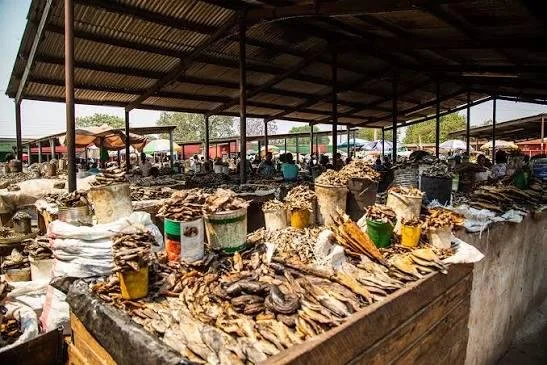
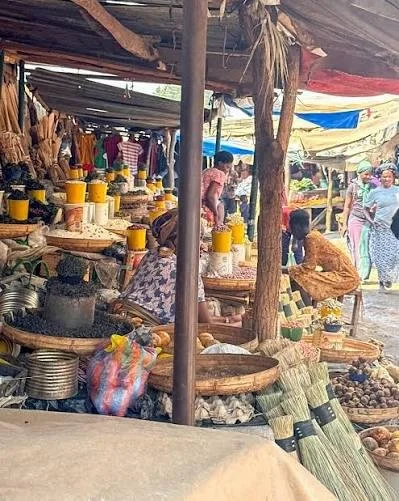

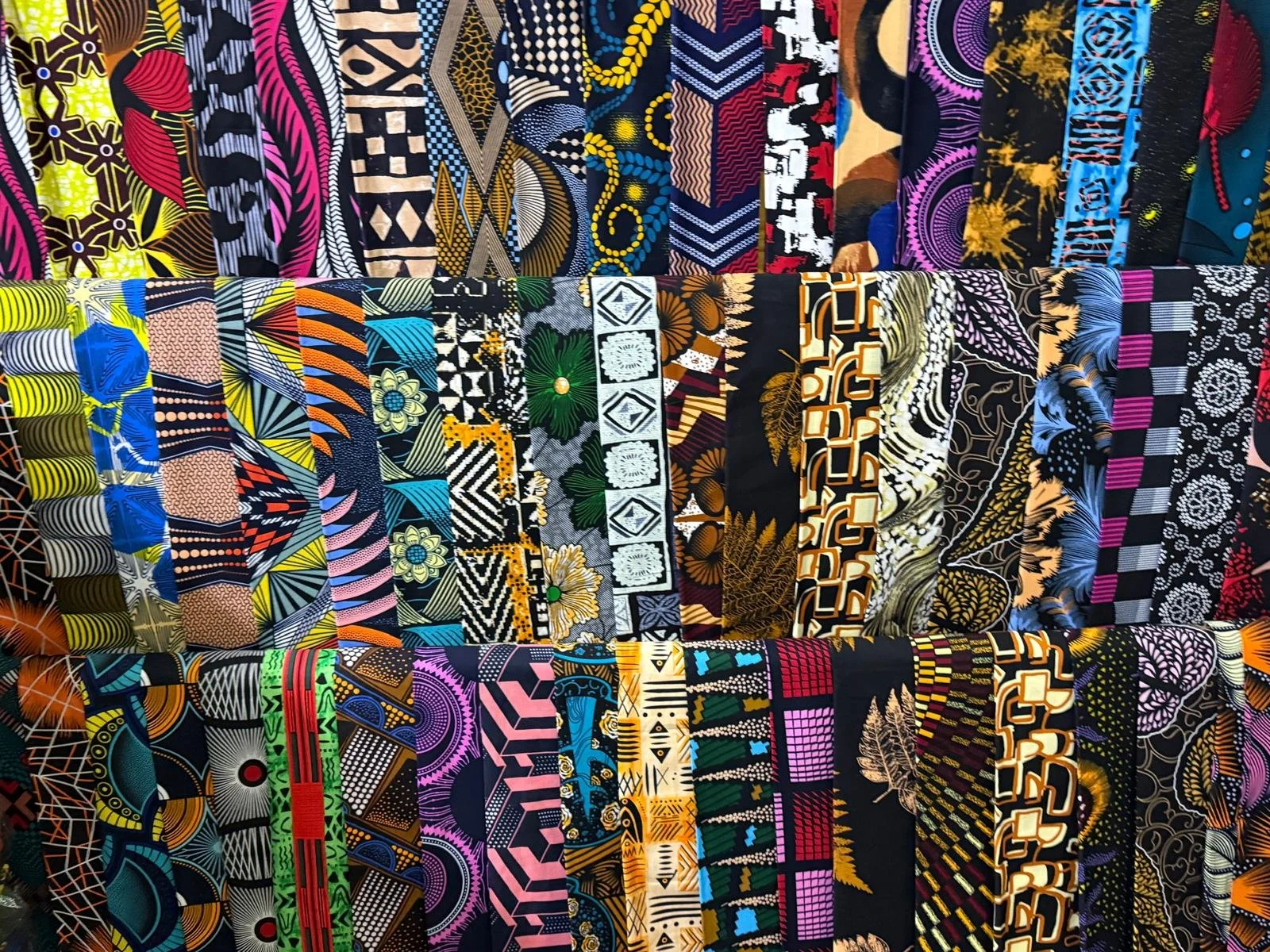
They were buying food, looking at clothes, comparing prices and trying to earn enough money from the day’s trade to make the effort worthwhile. I went in search of shirts, encountered a tailor and was introduced to chikanda, a traditional Zambian delicacy made from wild orchids, crushed peanuts, baking soda and chili, which was not an outcome I had anticipated when I got dressed that morning.
The market was busy without feeling staged for visitors. It was not there to demonstrate hardship or community spirit, although both may have been present. It existed because people needed to buy things, sell things, have clothes made, find ingredients and get on with their lives.
That should not feel remarkable.
Yet it bears little resemblance to many of the images that reach Britain.
The stories told about African countries tend to concentrate on extremes because extremes are easy to communicate. Even well-intentioned charity campaigns often depend upon a narrow selection of images because urgency is easier to convey than complexity.
The middle of the picture is largely missing.
The middle is where somebody decides that one shirt suits them better than another. It is where a tailor applies skill to an ordinary piece of fabric, where a trader hopes that today will be profitable and where a customer considers whether something is worth the price being asked.
Poverty does not erase preference.
People still care about colour, flavour, fit, appearance and value. They want things because they are useful, but also because they like them. A person with limited money does not cease to have taste merely because an outsider has decided their financial circumstances are the most important thing about them.
There is economic pressure here, certainly. It would be dishonest to wander through a market, admire the activity and pretend that everybody trading there is prospering. Some people are working extraordinarily hard for very little return, and the absence of stable employment leaves many relying on whatever income they can create for themselves.
That deserves attention.
What it does not deserve is to be stripped of all its other meaning.
A market is not simply evidence of poverty. It is also a place of expertise, competition, appetite, negotiation and personal expression. The person selling something is not standing there to complete a visitor’s picture of Zambia. They are running a business, however small, and would quite reasonably prefer you either bought something or stopped obstructing the merchandise.
This ordinariness is one of the things I find most interesting.
Zambia is sometimes presented as though life here must always be extraordinary, whether extraordinarily difficult or extraordinarily beautiful. In reality, much of life is occupied by the same small decisions that fill a day anywhere else. What to wear, what to eat, what something costs, whether it can be repaired and whether the person selling it can be persuaded to accept a slightly lower price.
People get up and go to work. Children walk to school. Shops open, minibuses fill, meals are cooked and washing is hung out to dry. People complain about electricity cuts, discuss the price of things, tease their friends, tend their gardens and make plans for the weekend.
There are roadside stalls selling fruit, vegetables, clothes and almost anything else that can be displayed on a table or suspended from a convenient piece of string. There are yards swept with extraordinary care, flower beds protected from the dust and old tyres painted and repurposed as planters. None of these things will appear in an international news report, but they say far more about the care people take over their homes and surroundings than any passing photograph of poverty ever could.
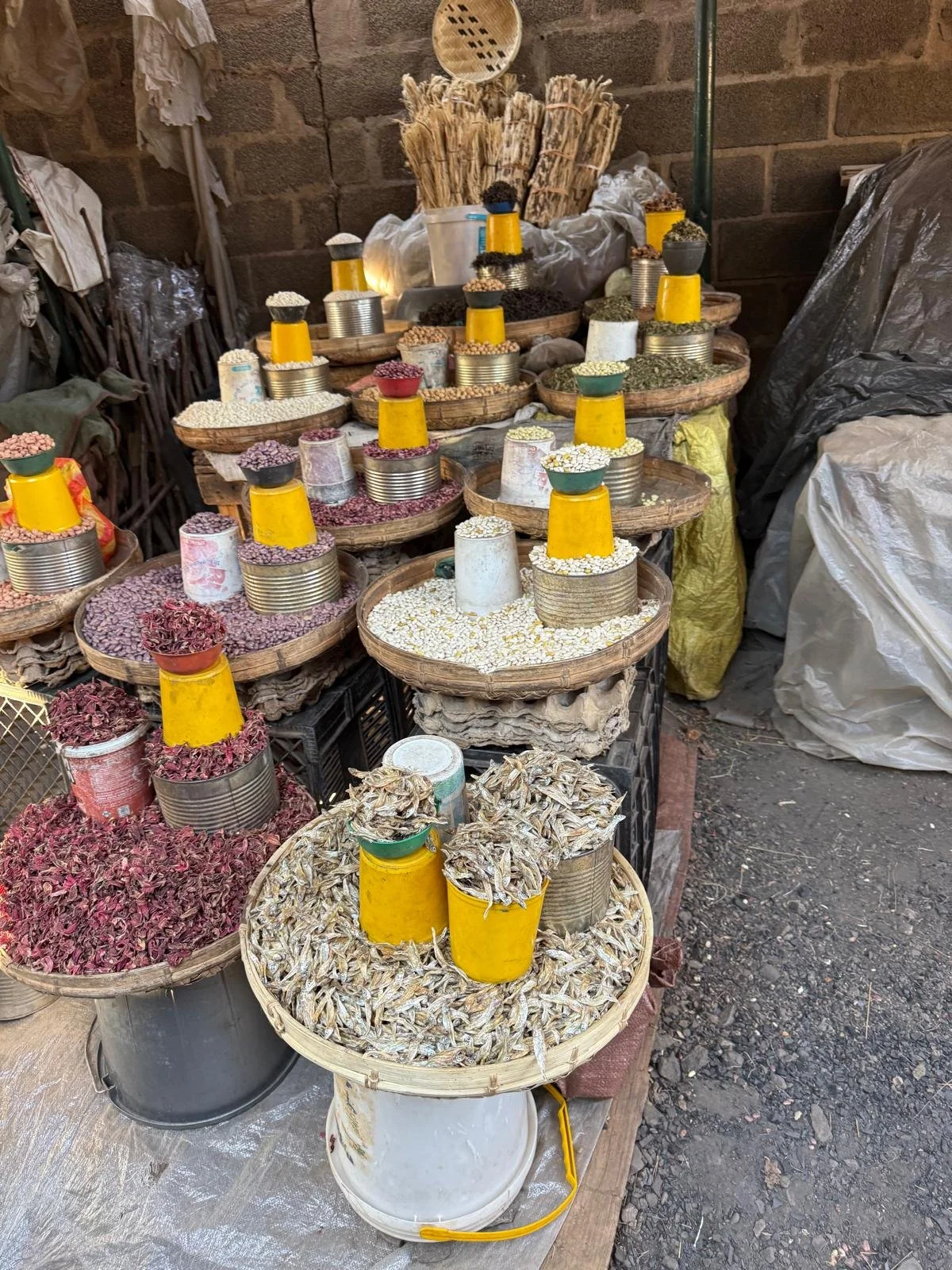
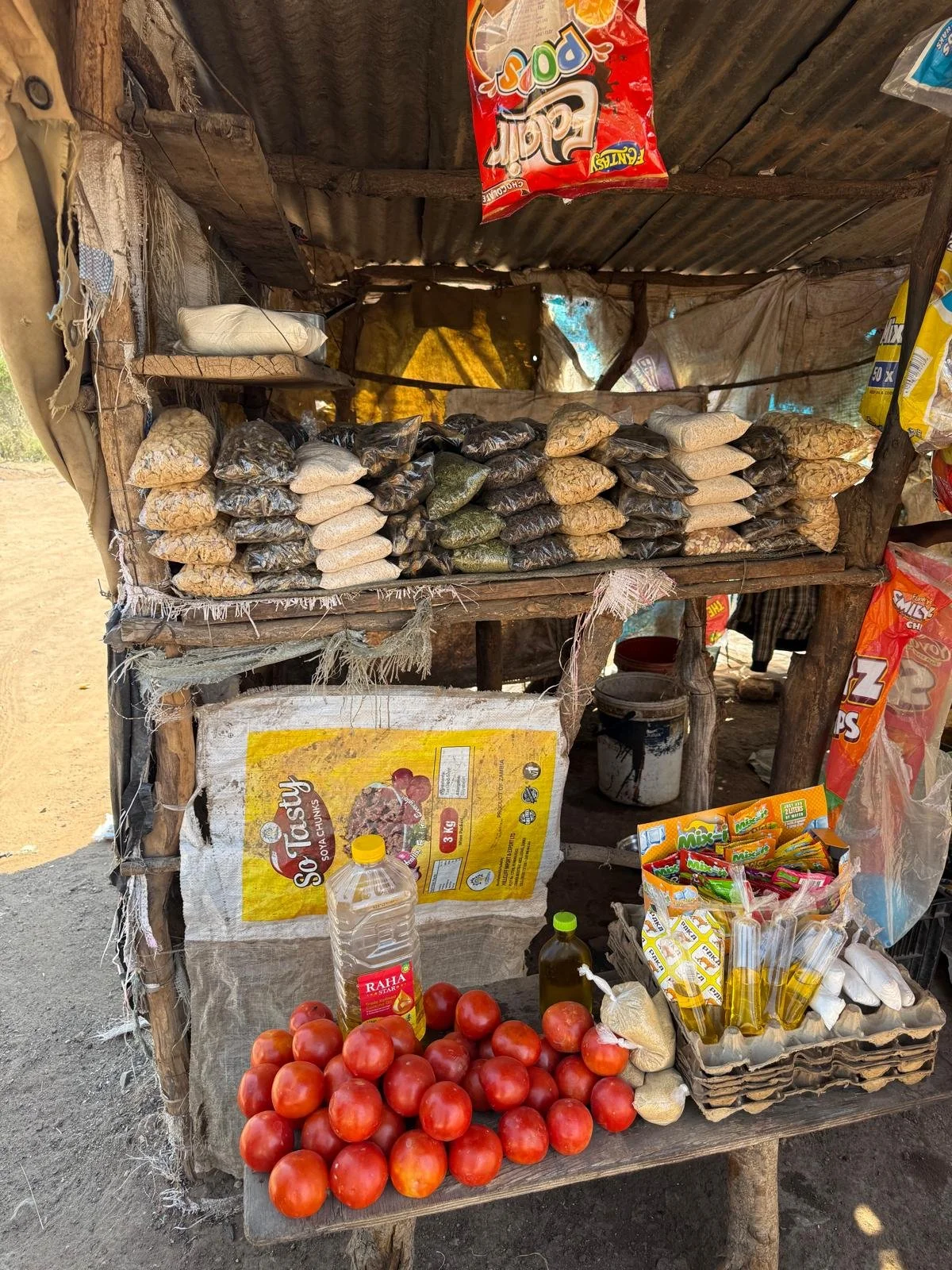
That does not mean hardship is absent. Pride and poverty are not opposites. A person can take enormous care over their surroundings while still struggling to afford medication. A community can be generous, funny and welcoming while also facing inadequate infrastructure. Beauty does not cancel out injustice, any more than injustice makes beauty irrelevant.
The reality is allowed to contain both.
Perhaps that is what is so often missing from the way African countries are presented elsewhere. Complexity is inconvenient. It is much easier to tell a story about helplessness or heroism, abundance or deprivation, paradise or disaster. Ordinary life refuses to cooperate with those categories.
These details will not make international headlines because nothing has exploded, collapsed or wandered across a savannah. They are too familiar to be considered newsworthy.
That is precisely why they matter.
This is also why volunteering needs to be approached carefully. It would be very easy to return home with photographs of difficult circumstances, talk solemnly about how little people have and allow their lives to become scenery for a story about what the experience taught me.
That is not the story I want to tell.
The longer I spend here, the less interested I become in trying to describe Zambia with a single word. It is beautiful and frustrating, peaceful and noisy, generous and unequal. It contains extraordinary wildlife and extremely ordinary Tuesday afternoons.
Like every country, it is full of contradictions. It makes more sense when you stop treating it as a symbol and start paying attention to the lives being lived within it.
A place becomes more understandable when it is allowed to be ordinary. Not simple, and certainly not without difficulty, but inhabited by people whose lives contain errands, preferences, work, humour and the occasional unexpected encounter with chikanda.
Most of life happens somewhere between paradise and disaster.
Maramba market is full of that middle ground.