
The People Behind the Place
Increasingly, Zambia is becoming less a collection of sights and more a collection of people.
That is one of the peculiar things about travel. Before you arrive, a country exists largely as an idea. It is made up of photographs, headlines, maps and the accumulated opinions of people who may or may not have been there themselves. Once you arrive, all of that begins to fall away. The country acquires voices, expressions, jokes, names and personalities.
It becomes human.
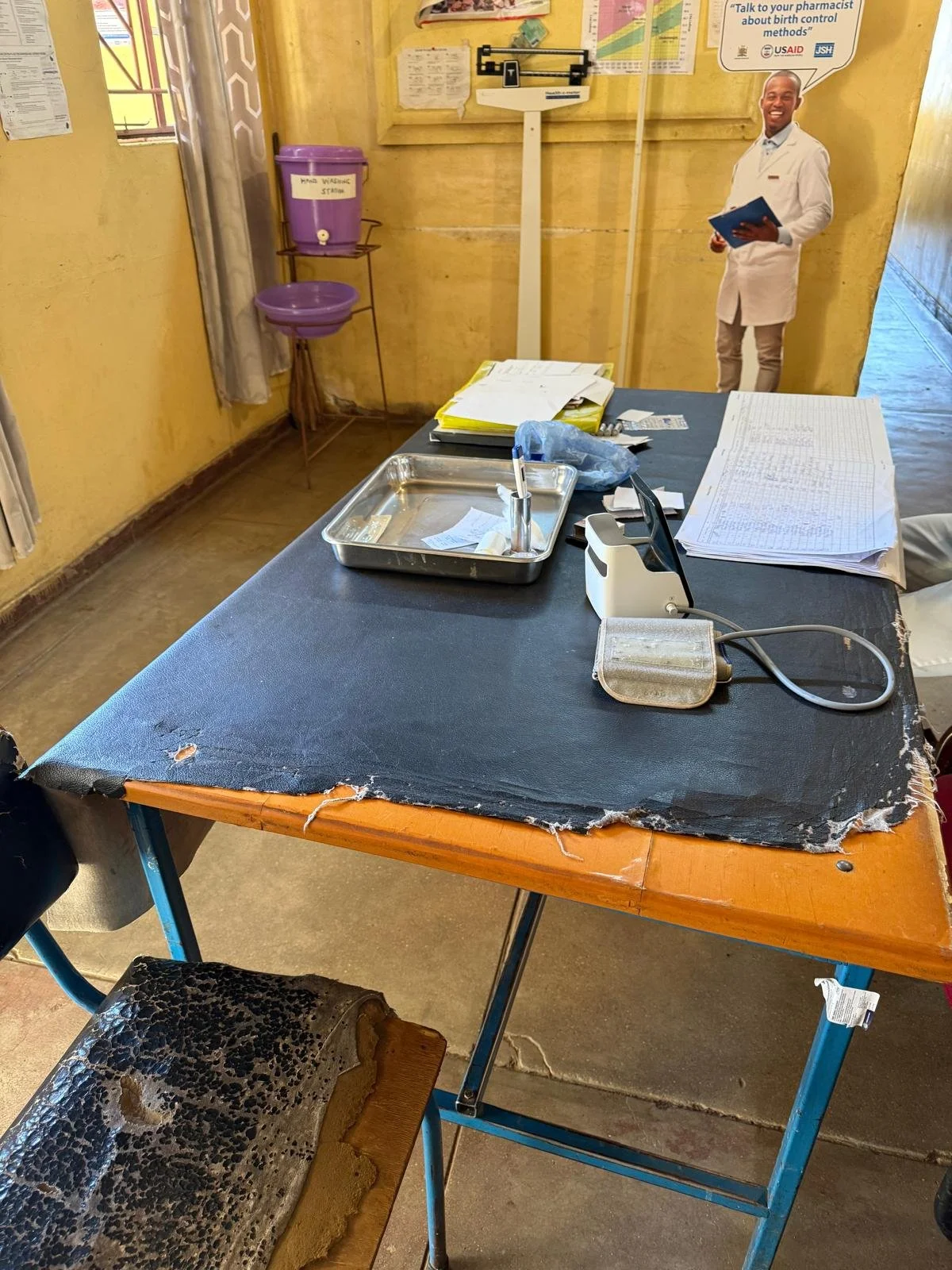
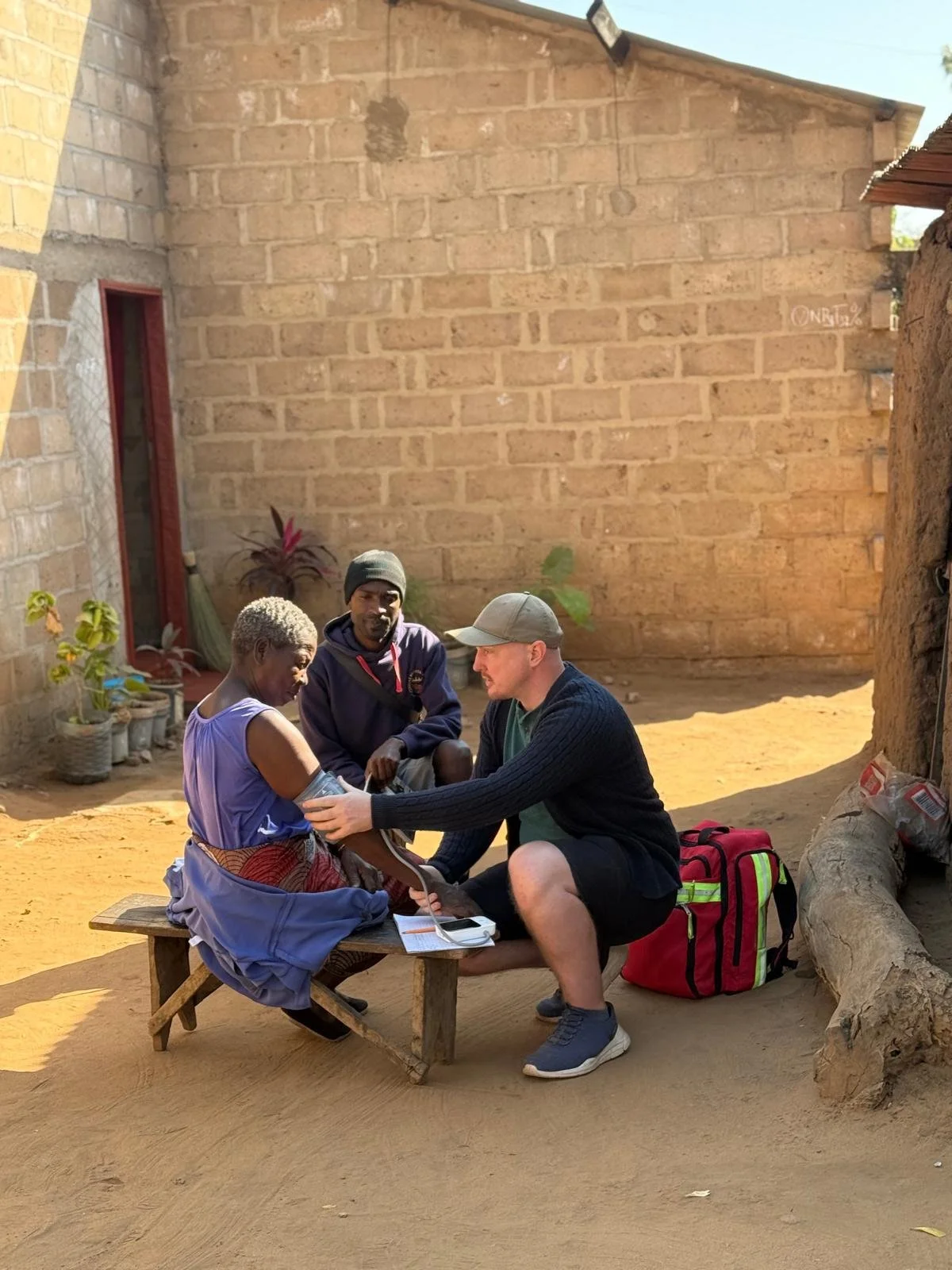
Home-based care has brought that into particularly sharp focus. In a clinic, the surroundings establish the roles before anybody speaks. There is a patient, a healthcare professional, a desk, some equipment and a certain expectation about what will happen next. Visiting somebody in their own community is different. You are stepping into the middle of their life rather than asking them to step temporarily into yours.
One of the conversations I have thought about most since arriving in Zambia was not particularly dramatic.
Nobody’s life was saved. There was no spectacular view in the background and, as far as I can remember, no music swelled at the appropriate emotional moment. Barbs and I simply began talking, and somewhere along the way the conversation wandered through writing, democracy and the question of how any of us can improve the small corner of the world within our reach.
These are, admittedly, three of my favourite subjects. I can make almost any conversation about good governance if I am given sufficient time and nobody intervenes.
What stayed with me was not that Barbs provided some profound piece of wisdom for me to carry home. It was the ease with which the conversation moved from one idea to another, and the pleasure of discovering someone else who was interested in questions I spend a considerable amount of my life thinking about.
Travel writing often presents meeting people as though it were a one-way exchange. The visitor arrives, encounters somebody from a different background and leaves with a valuable lesson about gratitude, resilience or the things that really matter.
The person they met is reduced to a supporting character in the visitor’s development.
I am increasingly uncomfortable with that.
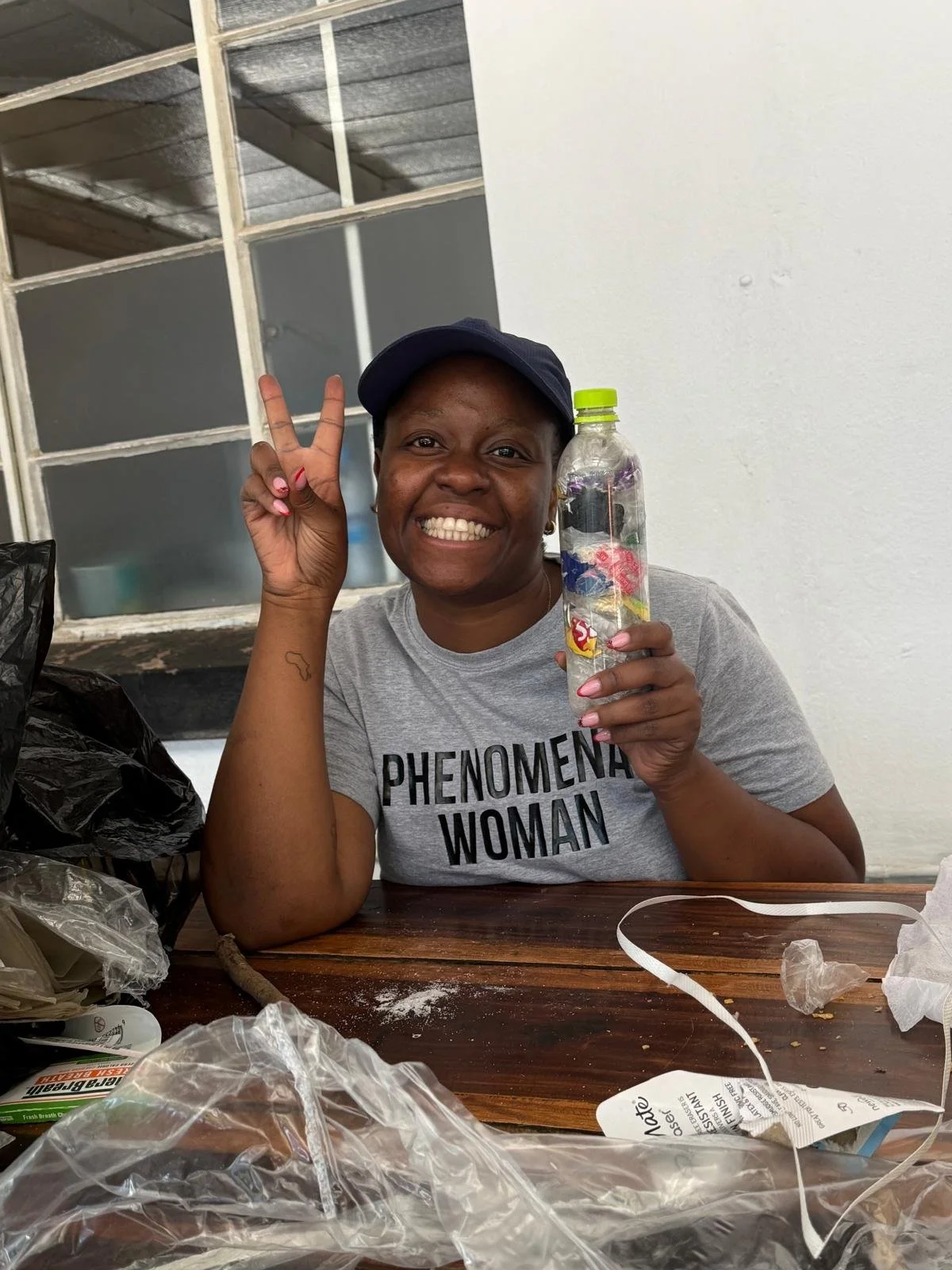
Barbs was not there to teach me something about Zambia, any more than I was there to offer a definitive explanation of Britain. We were two people having a conversation, bringing our own experiences, interests and frustrations to it. The value was not that we came from different countries, but that we found something worth discussing together.
Perhaps that sounds obvious. It should be.
Yet people are remarkably easy to flatten when we write about places affected by poverty. Individuals become patients, beneficiaries, volunteers, healthcare workers or members of ‘the community’. These descriptions may explain how we encountered someone, but they say very little about who that person is.
A patient can also be stubborn, funny, impatient or deeply suspicious of blood pressure machines. A colleague can have ambitions, opinions, private worries and a sense of humour that takes several days to reveal itself. A child at Reading Club may be struggling with one word and completely confident about the next.
Nobody exists solely in the role through which I happened to meet them.
My role here is not to diagnose, prescribe or sweep heroically into anybody’s life with all the answers. This may disappoint anyone hoping for an action sequence involving a stethoscope and some dramatic music, but it is probably for the best.
My role is simply to support the people who understand the work, listen carefully and make myself useful.
Perhaps that is also why meeting people in this way feels so different from simply passing through a place as a tourist. These encounters are not staged for visitors. They are ordinary moments in somebody else’s day. We arrive, talk, complete the checks that are needed and then move on, while the lives we have briefly entered continue behind us.
This has made me think carefully about the stories I tell. Some experiences are not mine to share, particularly when they involve somebody’s health or personal circumstances. Even when a story can be told without identifying someone, there is a difference between writing with care and turning another person’s difficulty into material.
Meeting people is not the same as collecting stories.
There is no meaningful category called ‘the local people’. There are simply people, each with their own character, worries, humour, stubbornness, kindness and opinions about the peculiar group of volunteers appearing at their door with a blood pressure cuff.
My conversation with Barbs reminded me why writing matters, especially when the world feels too large and its problems too entrenched. None of us can repair everything. We can, however, pay attention to what is immediately around us, speak honestly about it and contribute where we have the knowledge or opportunity to do so.
The most meaningful encounters do not always begin with a grand act of generosity or end with a life-changing revelation. Sometimes they begin because two people sit down, discover a shared interest and continue talking.
You do not have to turn somebody into a lesson in order to remember them.