
The Things Nobody Tells You
Before you travel somewhere new, people tend to tell you about the big things.
They tell you which vaccinations you need, what currency to carry, whether you require a visa and which animals are most likely to eat, sting or otherwise inconvenience you. They recommend the places you should visit, the food you ought to try and the sights you absolutely must not miss.
All of that is useful, of course, but it does very little to prepare you for what everyday life will actually feel like once you arrive.
Nobody tells you how quickly you will begin organising your day around the availability of electricity, or how much thought you will suddenly give to whether there is enough water. Nobody mentions the birds that begin their morning announcements long before you have any intention of getting out of bed, or quite how cold an African winter morning can be.
There is a sentence I never expected to write. I have been cold in Africa.
Not pleasantly cool. Not grateful-for-a-light-cardigan chilly. Properly cold, sitting under a blanket and wondering what I could burn.
The days can still become warm beneath the sun, but early mornings arrive with a sharpness that feels completely at odds with everything many of us imagine when we hear the word Africa. We picture heat, dust and endless sunshine. We do not picture searching through our luggage for the warmest thing we packed while quietly regretting every jumper we left at home.
The cold does not last forever. Eventually, the sun climbs higher and the layers come off, but by then the birds have already been awake for hours.
They do not ease you gently into the day. Dawn arrives with whistles, squawks, chirps and calls from every direction, as though the entire neighbourhood has been summoned to an extremely enthusiastic meeting. Some of the sounds are beautiful. Others are less melodic, but all of them make it impossible to forget where you are.
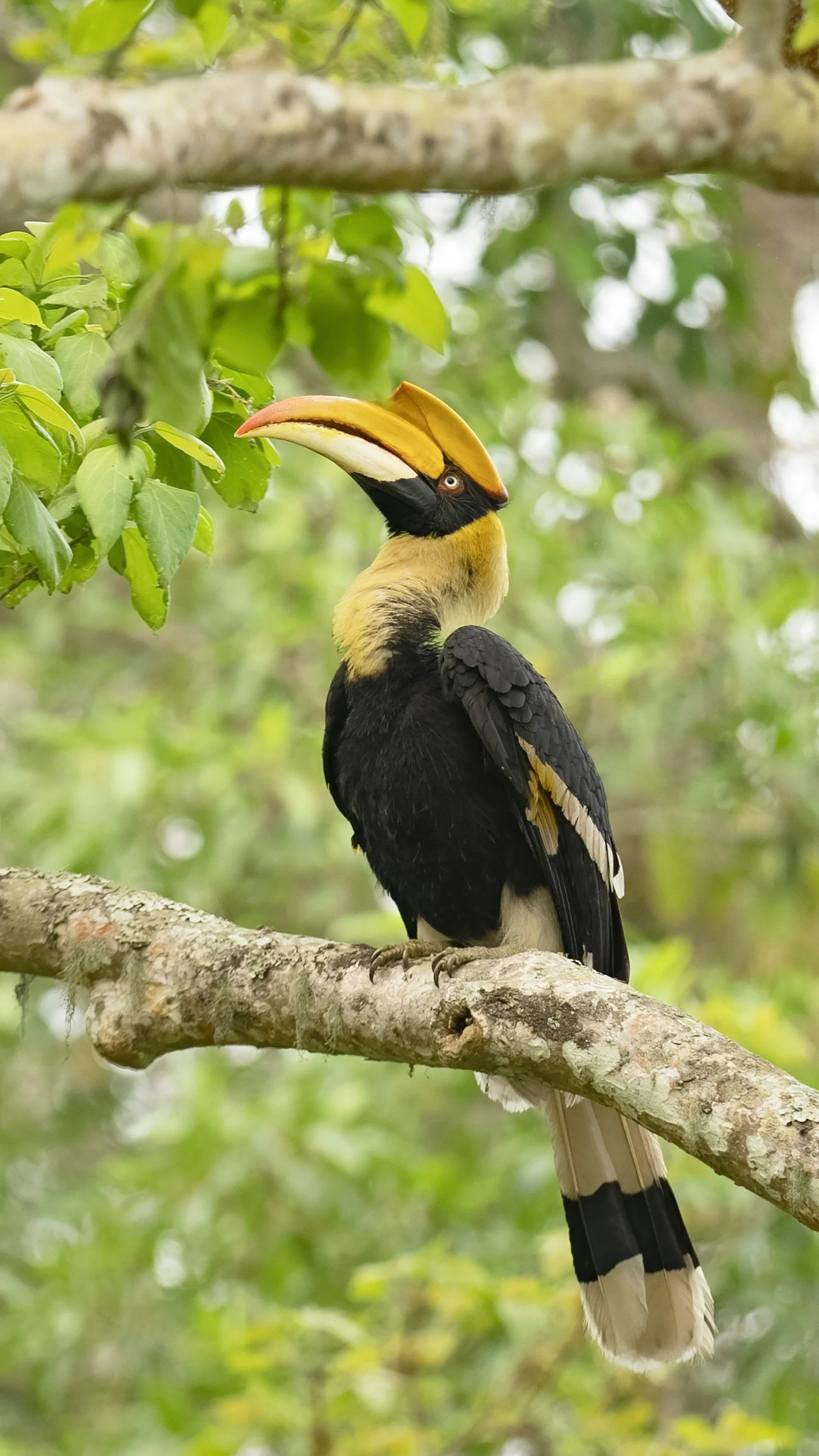
Even before opening the curtains, Zambia announces itself.
Then there is load shedding.
Before arriving, I understood the phrase in theory. There would be periods when the electricity supply was unavailable, and we would simply need to plan around them. It sounded straightforward enough.
In practice, it changes the rhythm of almost everything.
You learn to charge your phone, camera and power banks whenever electricity is available, rather than waiting until they are nearly empty. You learn not to assume that a light will come on simply because you have pressed the switch, or that water will be hot because you would quite like it to be. You become familiar with the sound of generators and develop an entirely new appreciation for battery-powered lamps.
It would be easy to present load shedding as one of those charming travel inconveniences, the sort of thing that makes a good story once you are safely home. That would ignore the fact that it has real consequences for the people who live with it every day. Homes, shops, schools, clinics and businesses must all continue operating, whether the electricity is available or not.
For me, it has been an adjustment. For many people here, it is simply another factor to be considered as they go about their lives.
Water occupies a similar place in your thoughts.
At home, I rarely consider the process behind turning on a tap. I expect water to appear, and I expect it to continue appearing until I decide I have finished with it. Here, I have become much more conscious of how much I use, what I need it for and whether it will be available later.
You begin to understand the difference between having water and assuming you will always have water.
That awareness changes small habits. Showers become more purposeful. Bottles are filled when the opportunity presents itself. A working tap becomes something to notice rather than something to take entirely for granted.
Outside, the roadsides are full of life.
Traders establish themselves wherever people are likely to pass, selling fruit, vegetables, drinks and all manner of useful things. Some displays are carefully arranged on tables or beneath makeshift shelters, while others appear almost impossibly balanced beside the road. There is ingenuity in the way space is used and an understanding that customers are not necessarily going to come looking for you. Sometimes, you have to place yourself directly in their path.
This is particularly true of the woman who sells bananas at the end of the street. She is deaf and non-verbal, and relies on passing trade to earn her living, so each day she sets out her stall beside the road and waits, holding up bright, fresh bunches of bananas as people walk by.
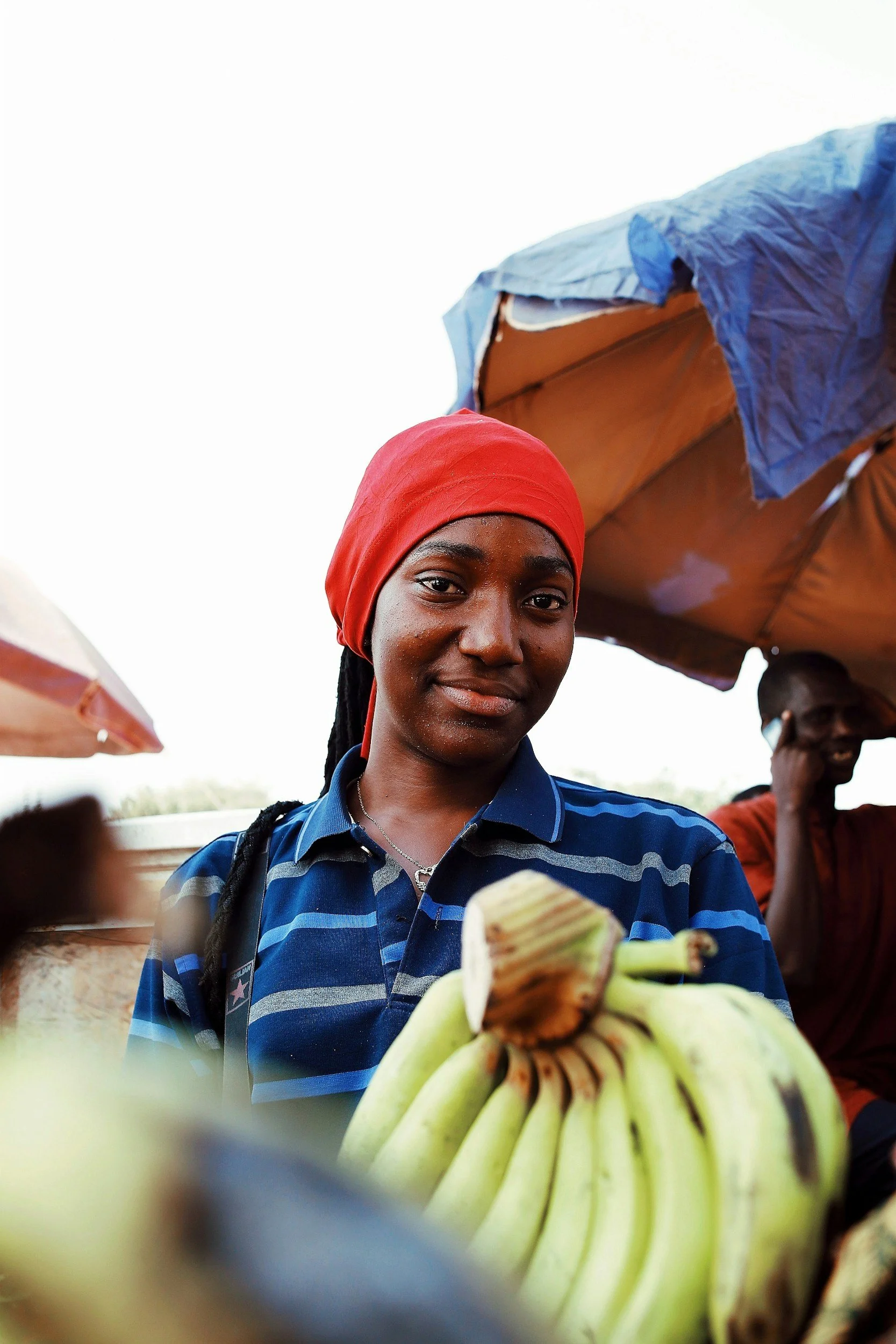
The roadside is not merely the space between one destination and another. It is a market, a meeting place and a source of income.
It is also full of colour.
That colour is everywhere, in clothing, painted signs, market stalls, fruits and the bright fabrics moving through towns and villages. Against the dry earth and pale winter grass, even the smallest splash of colour seems to stand out more vividly. Then there is the sky, an enormous blue presence during the day before transforming itself each evening into shades that never look quite believable in photographs.
The colours here do not sit quietly in the background. They demand to be noticed.
So to does the wildlife.
It is easy to imagine wildlife as something you go somewhere specific to see. You visit a national park, climb into a vehicle and spend several hours searching the landscape for animals obliging enough to appear.
What nobody really tells you is that the animals do not always observe those boundaries.
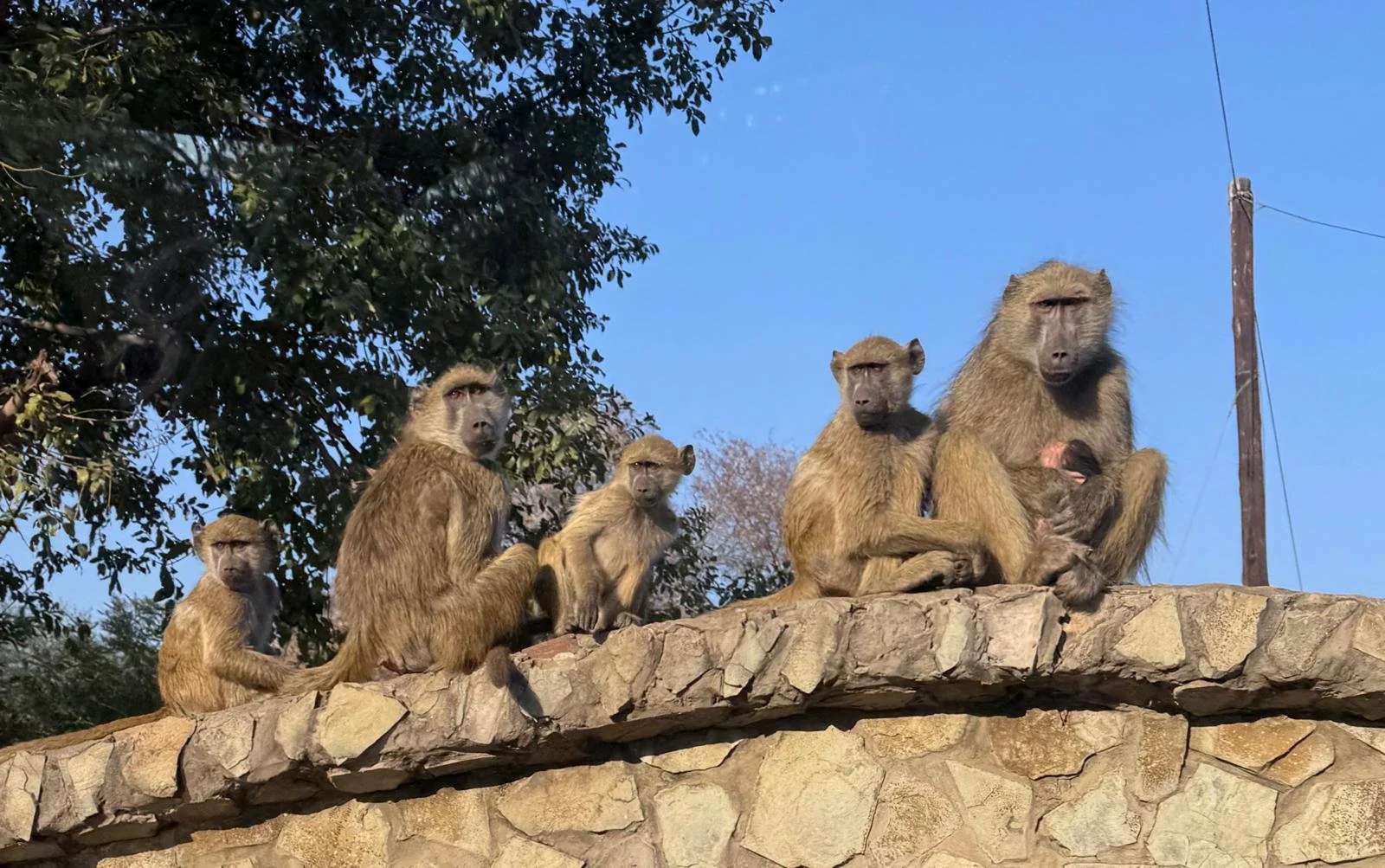
Monkeys appear beside roads or move through the trees as though they have somewhere important to be. Baboons sit watching the traffic with the weary expression of commuters waiting for a delayed bus. Birds of impossible colours flash past before you have time to reach for a camera.
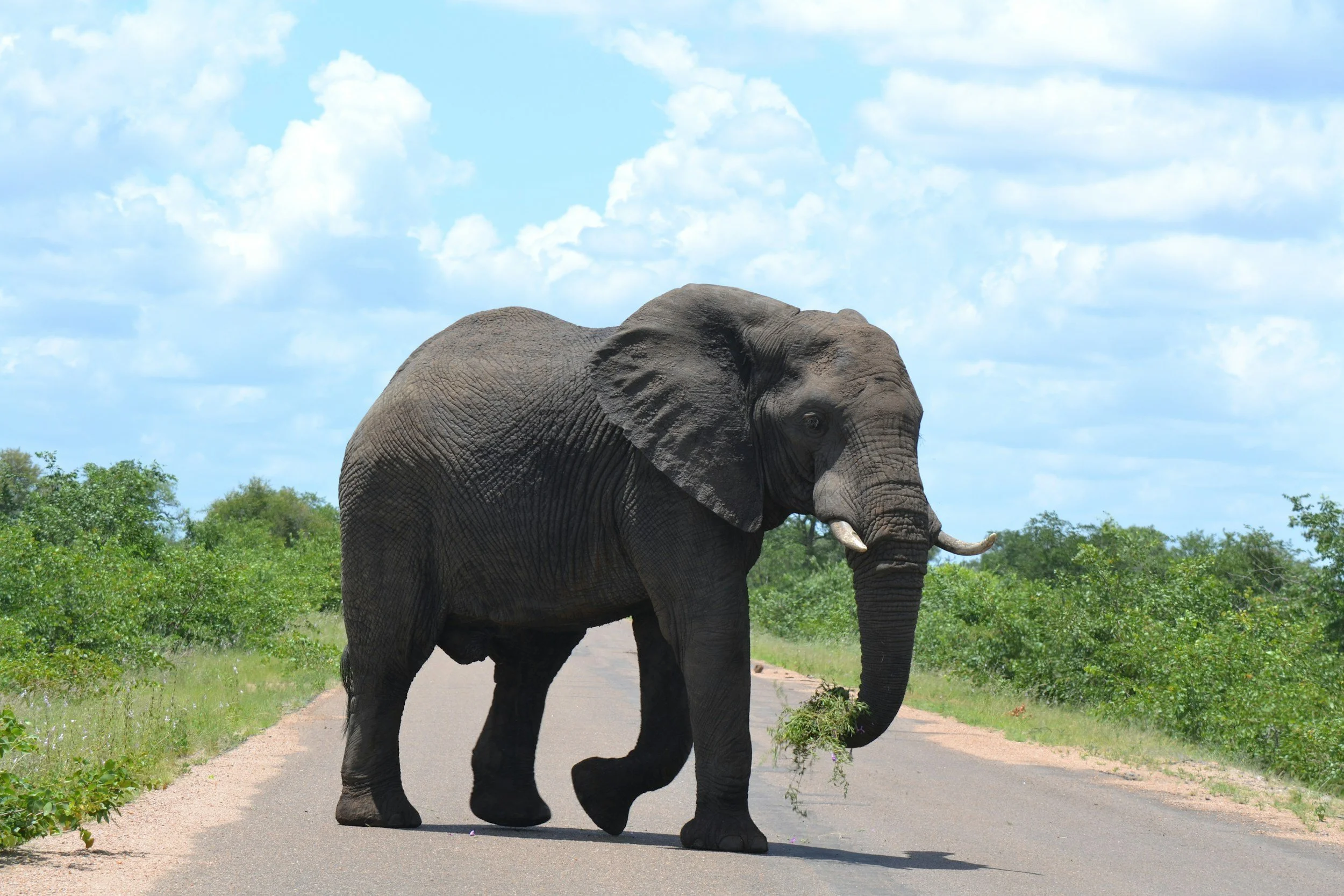
Occasionally, the traffic itself comes to a halt because an elephant has decided to cross the road. There is no horn-blowing or impatient attempt to edge around it. Everyone waits, because the elephant is considerably larger than the average vehicle and, more importantly, appears to know it.
At other times, you might find one standing beside the road, raiding a bin with the focus and determination of an oversized raccoon.
There is something slightly surreal about seeing an animal that would cause enormous excitement in a wildlife park behaving as though it is simply going about an ordinary part of its day. For the elephant, of course, that is exactly what it is doing. It is we who have appeared in its landscape, not the other way around.
There are other adjustments that are harder to describe because they are less about what happens and more about how it happens. Life moves according to a different rhythm.
That does not necessarily mean everything is slower, although some things certainly take longer than they might at home. It means that time is not always treated as something that must be wrestled into obedience. Conversations are allowed to take the time they take. Plans may shift. A journey may be delayed by traffic, animals, road conditions or any number of things that cannot be controlled by staring impatiently at a clock.
For someone accustomed to calendars, deadlines and carefully ordered lists, this can require a little recalibration.
So can queueing.
The British instinct to form an orderly line is powerful. Give us two people waiting for something and, before long, we will have established a queue, appointed an unofficial monitor and developed strong opinions about anyone who appears not to understand the system.
Here, the process is not always quite so obvious. Sometimes there is a queue, but it may not resemble one to British eyes. Sometimes you need to ask who is last, watch what everyone else is doing and accept that the rules will become clear eventually. It is another reminder that many of the systems we regard as universal are simply the systems to which we are accustomed.
None of these things would necessarily appear in a guidebook. They are too ordinary, too practical and perhaps too easily overlooked beside waterfalls, wildlife and sweeping landscapes.
Travel is often presented as a sequence of extraordinary moments, but much of the experience is found between them. It is charging your phone while you can, waking to birds you cannot name, pulling on an extra layer before sunrise and learning that the shape of a queue is not always immediately apparent. It is having a journey interrupted because an elephant has somewhere else to be.
It is noticing how people adapt, trade, work and organise their lives around circumstances that may be very different from your own.
The famous sights may be what first bring you somewhere, but these smaller details are what allow you to understand it. They are the moments when a country stops being somewhere you have visited and starts becoming somewhere you have lived, however briefly.
And knowing where to buy the best bananas at the end of the road certainly helps.