
Scratching the Surface
One of the things I've realised since arriving in Zambia is how quickly we make our minds up about places.
Within minutes of arriving somewhere new, we're already collecting evidence. We notice what feels unfamiliar. The roads. The buildings. The traffic. The roadside market stalls. Perhaps the litter. We compare everything, often without even realising we're doing it, against whatever we've left behind.
It's an entirely human thing to do.
The first things we notice often say more about us than they do about the place we're visiting.
The trouble is, if we stop there, we've barely begun.
Every country has its challenges. Zambia is no exception. There are places where litter gathers. Poverty is more visible than many visitors from Europe are used to seeing. Alcohol causes heartbreak here, just as it does back home. Those things are real, and pretending otherwise wouldn't be honest.
But they are only part of the story.
The longer I've spent here, the more I've realised that first impressions are often the least interesting part of any place.
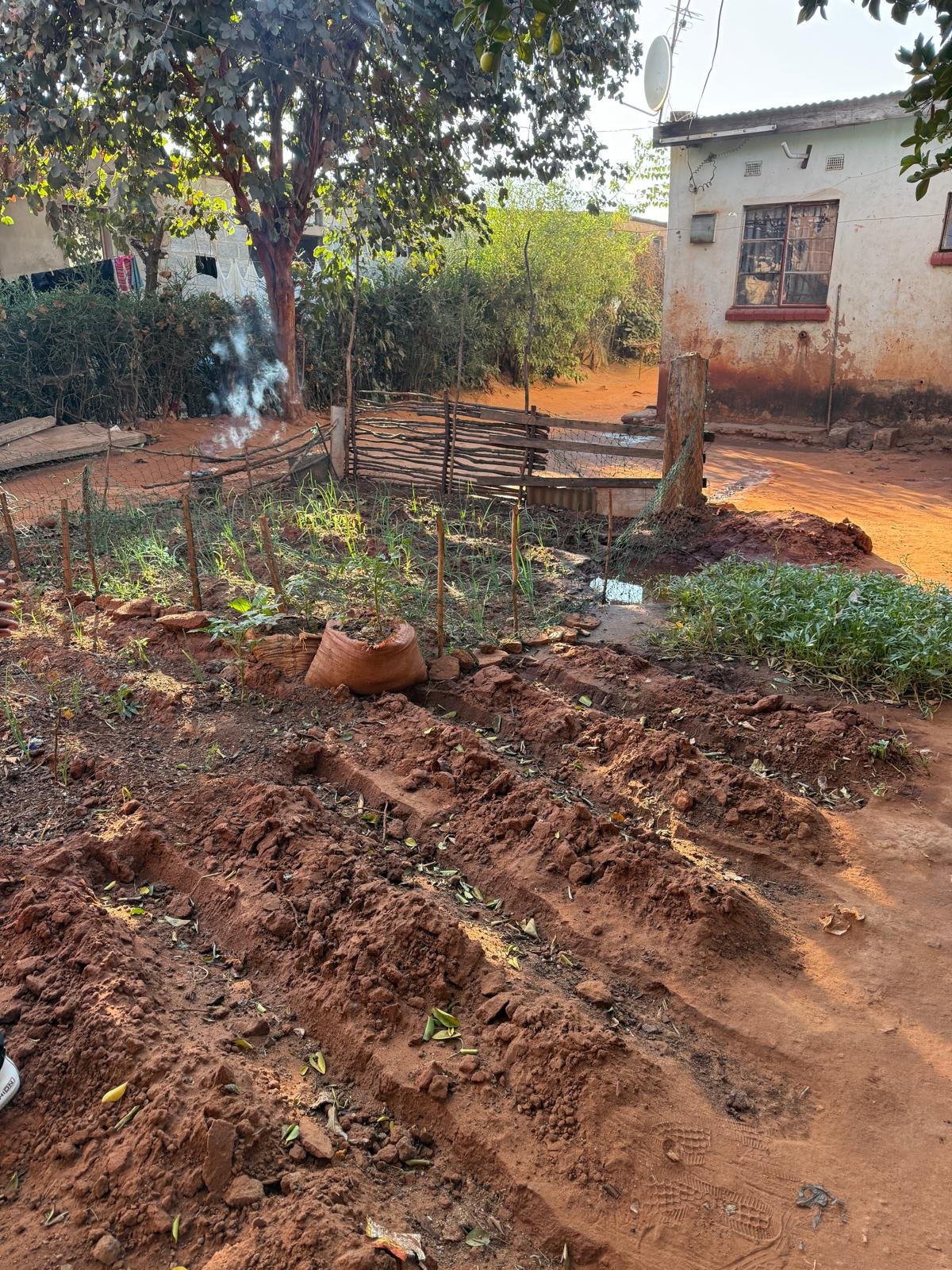
I've noticed the pride people take in their homes.
Many of the houses would be considered modest by British standards, yet outside many of them are carefully swept yards and neat gardens that are clearly loved. Early in the morning and again as the day begins to cool, people are outside watering plants, sweeping paths and tending to the spaces around them. Not because anyone expects them to, but because this is home, and home matters.
I've noticed the communities.
Children play together until the light begins to fade. Neighbours stop to talk rather than hurrying past one another. People greet each other as they walk by. There seems to be a rhythm to everyday life that feels less rushed and, somehow, more connected.
I've noticed the warmth.
Conversations seem to begin with kindness rather than caution. Smiles come easily. People are curious, welcoming and generous with their time. Those are qualities that don't appear in economic statistics or travel brochures, but they shape a place just as surely as any landmark.
Perhaps most unexpectedly, I've realised that my eyes have slowly started looking in different directions.
Back home, so much of what catches my attention has been created by people. We travel to admire cathedrals, castles, stately homes and ancient streets. We marvel at buildings that have stood for centuries, at monuments to human ingenuity, craftsmanship and history.
Here, I find myself stopping for entirely different reasons. A baobab tree that has quietly watched generations come and go. A bird whose electric blue colours seem almost too vivid to be real. A troop of monkeys treating the roadside as though they own it. A sunset that doesn't simply mark the end of the day but stretches across what feels like half the sky, painting everything beneath it in shades of gold, orange and deep purple.
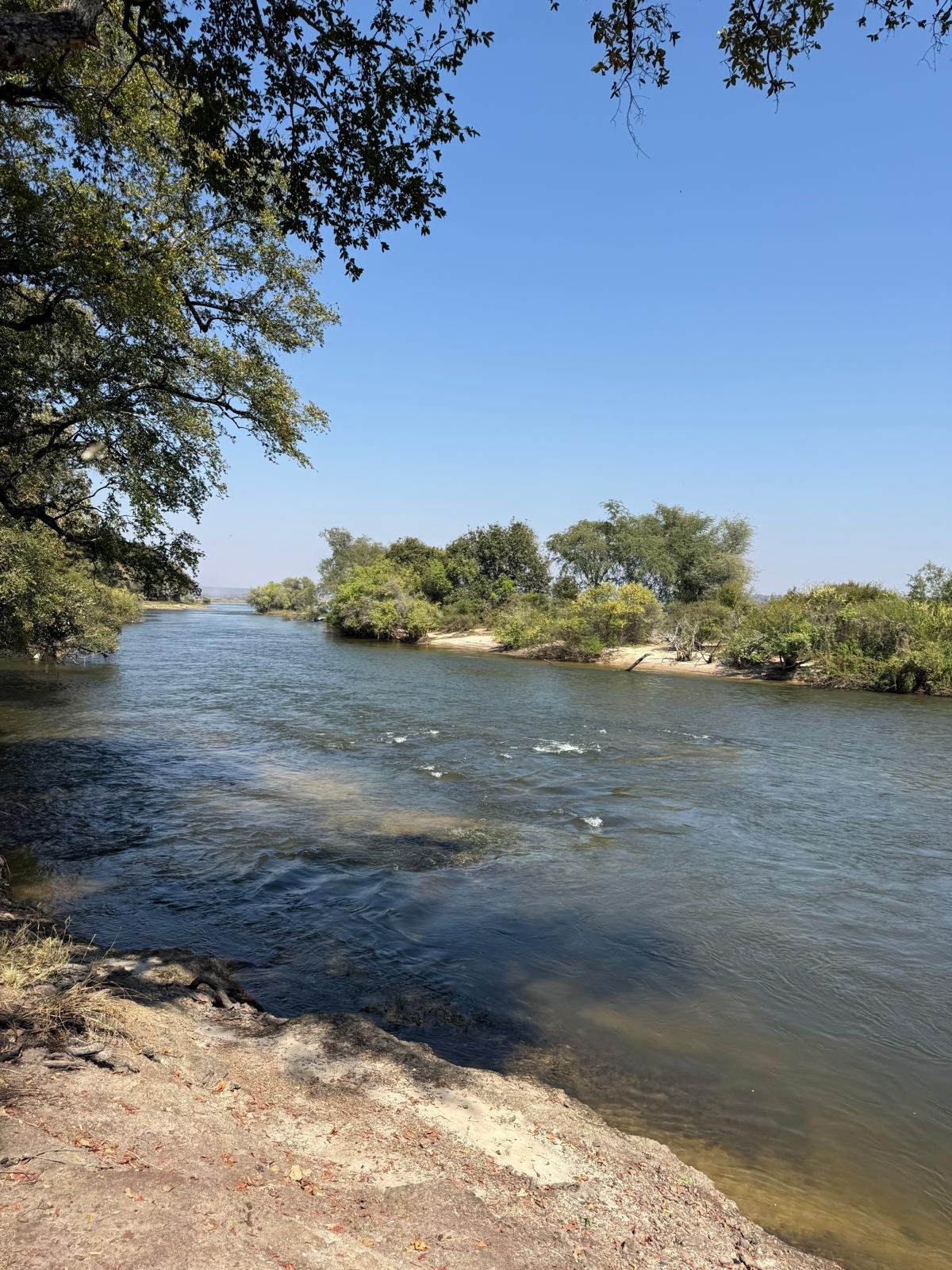
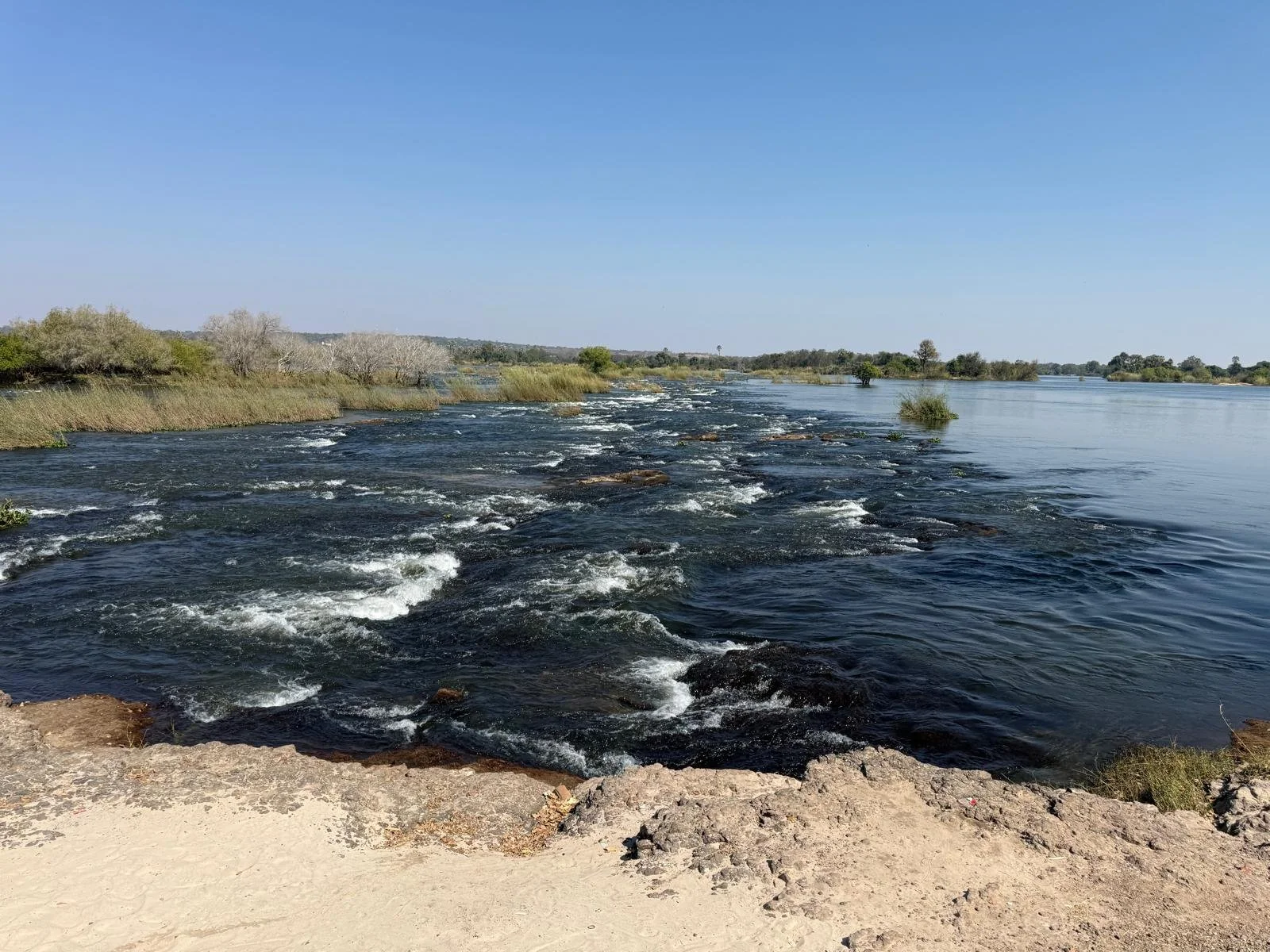
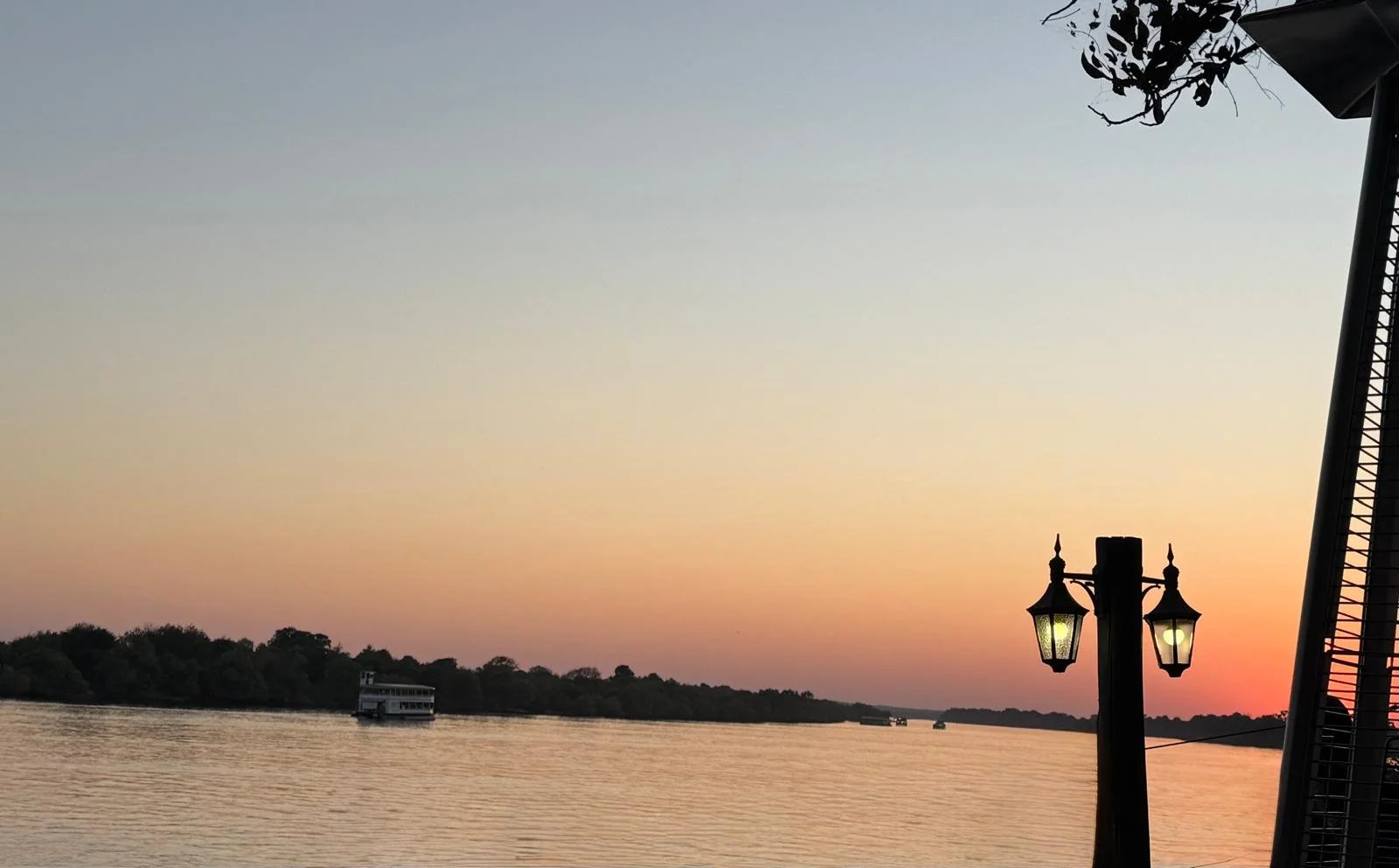
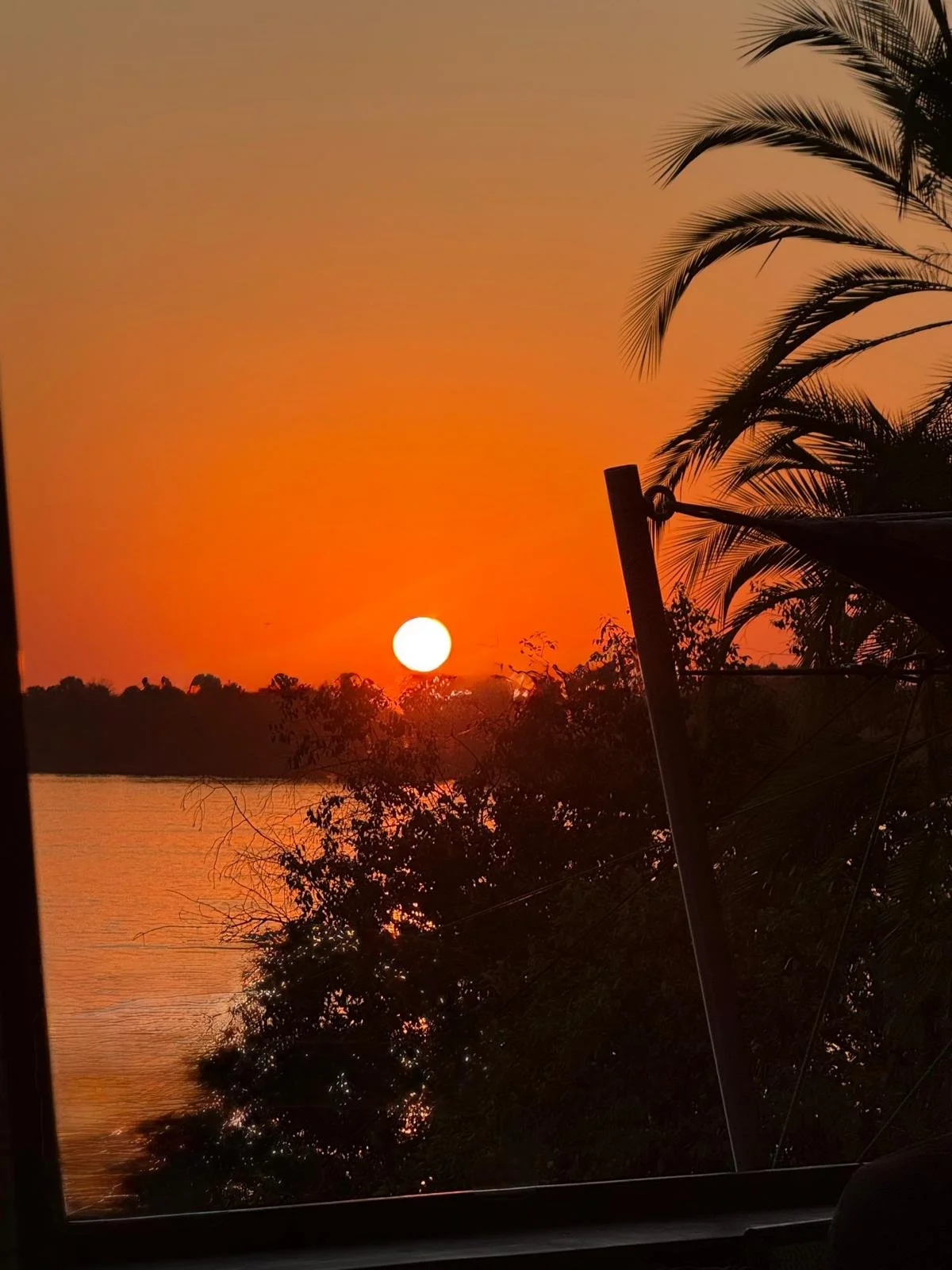
Even the light feels different. The colours seem sharper somehow. The horizon feels wider. Without rows of tall buildings, advertising boards or overhead cables demanding your attention, your eyes naturally drift upwards.
It isn't that one kind of beauty is greater than another.
Europe has extraordinary landscapes of its own, just as Africa has remarkable history, architecture and cities. But I've realised that what captures my attention here is different. Instead of looking at what humanity has built over thousands of years, I find myself looking at what nature has quietly been creating for millions.
Here, so much of what draws the eye is nature itself. Perhaps that's why this place has surprised me so much.
Not because it has overturned my expectations, but because it has reminded me how incomplete first impressions usually are. The things that define somewhere rarely announce themselves on the day you arrive. They reveal themselves gradually, in the conversations you have, the communities you spend time with, the pride people take in their surroundings, and the moments when you simply stop long enough to look around.
Travel has a wonderful habit of teaching us that beauty isn't always where we've been taught to look. Sometimes it's found in extraordinary buildings and sometimes beneath an enormous sky, but more often than not it's found in ordinary people quietly caring for the places they call home.
I've learned that the best places don't reveal themselves all at once. They reward curiosity. They ask you to stay a little longer, look a little closer and let them reveal themselves in their own time.
I suspect that's true of countries.
And, come to think of it, it's probably true of people too.