
The Things I’ll Carry Home
Memory is a terrible filing system.
It misplaces important information, preserves complete nonsense and occasionally produces the name of a primary-school teacher while refusing to reveal where you put your glasses five minutes ago.
This makes it difficult to predict which parts of Zambia will remain with me.
Before coming here, I imagined that the trip would be defined by the big moments.
I imagined it would be the flights, Victoria Falls, the volunteering projects and the twentieth anniversary that gave Positive Impact 20 its purpose in the first place.
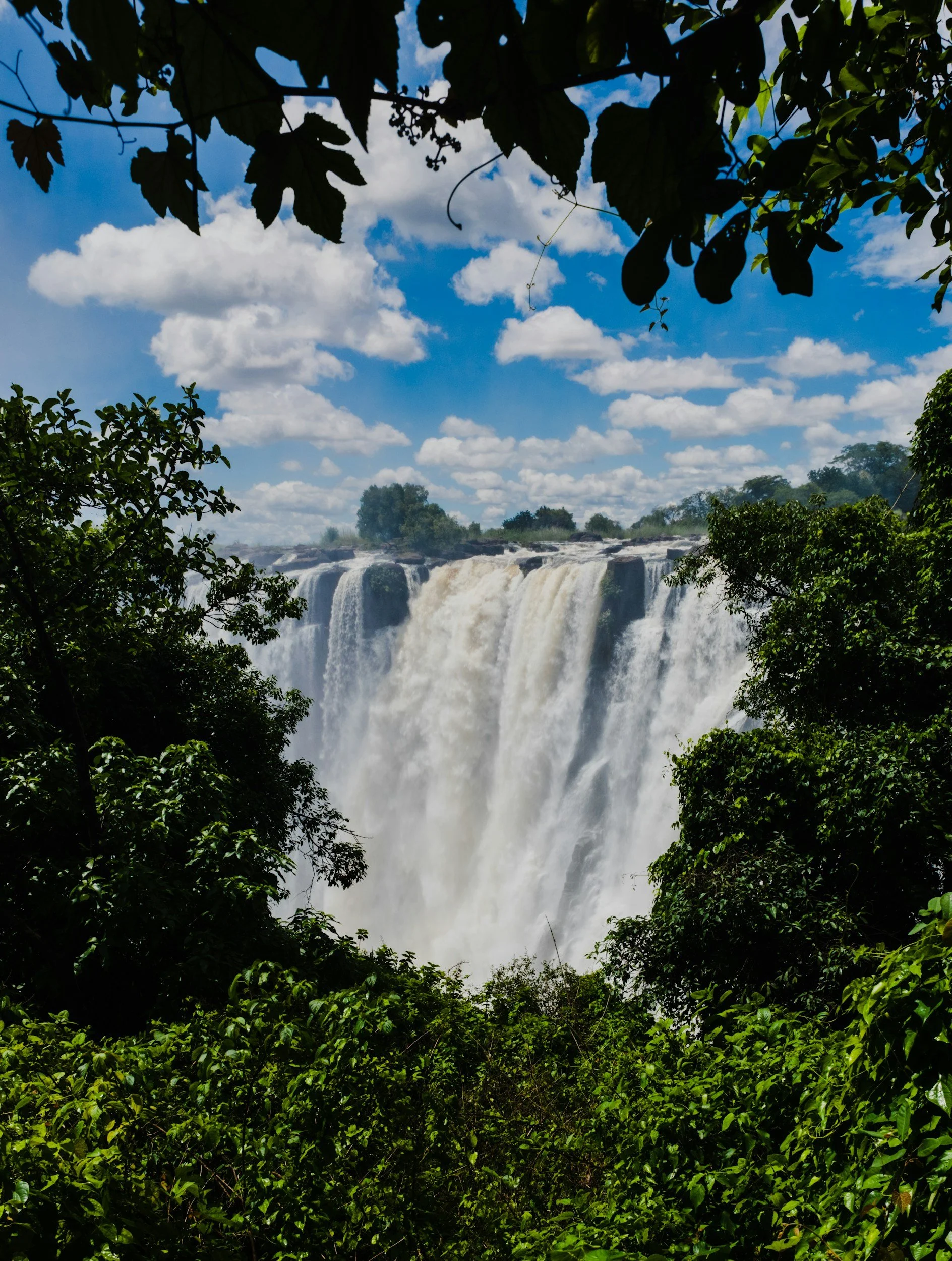
Those moments matter, of course, but they are not necessarily the ones settling most firmly into my memory. Instead, the trip is becoming a collection of fragments, many of which would sound almost insignificant if I tried to explain them individually.
A walk between houses in Maramba.
The soft mechanical sound of a blood pressure cuff tightening around somebody’s arm.
A greeting understood without having to translate it first.
A cold morning that makes me briefly question every assumption I have ever held about African weather.
A child confidently answering a question at Health Club.
A roadside conversation.
I suspect a puppy will be involved.
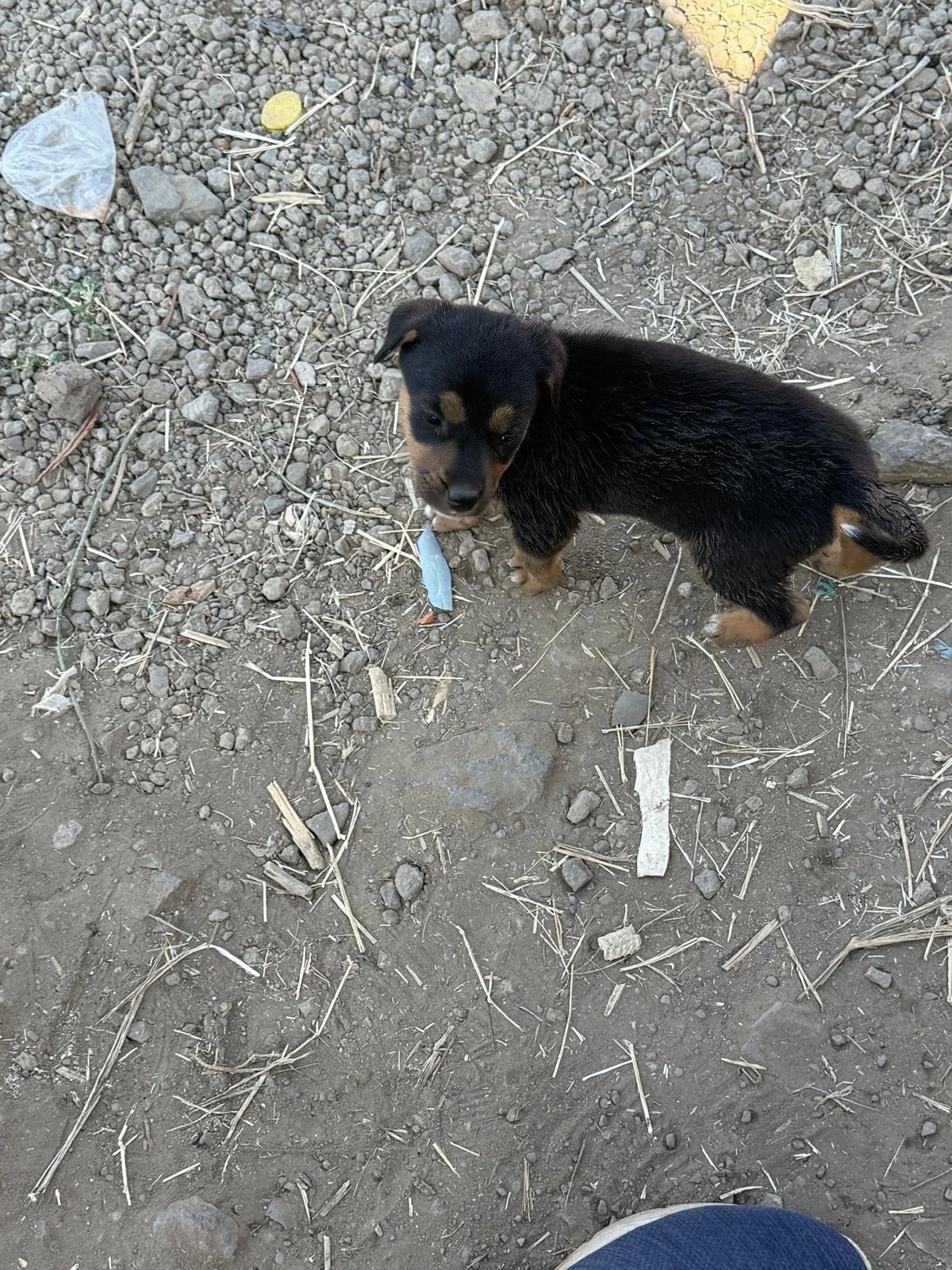
During one of our visits in Linda, a puppy appeared and briefly became the centre of my attention. This was neither helpful nor particularly professional, but puppies have little respect for programme objectives. In the middle of a serious day, it provided a moment of uncomplicated delight before we returned to the work in front of us.
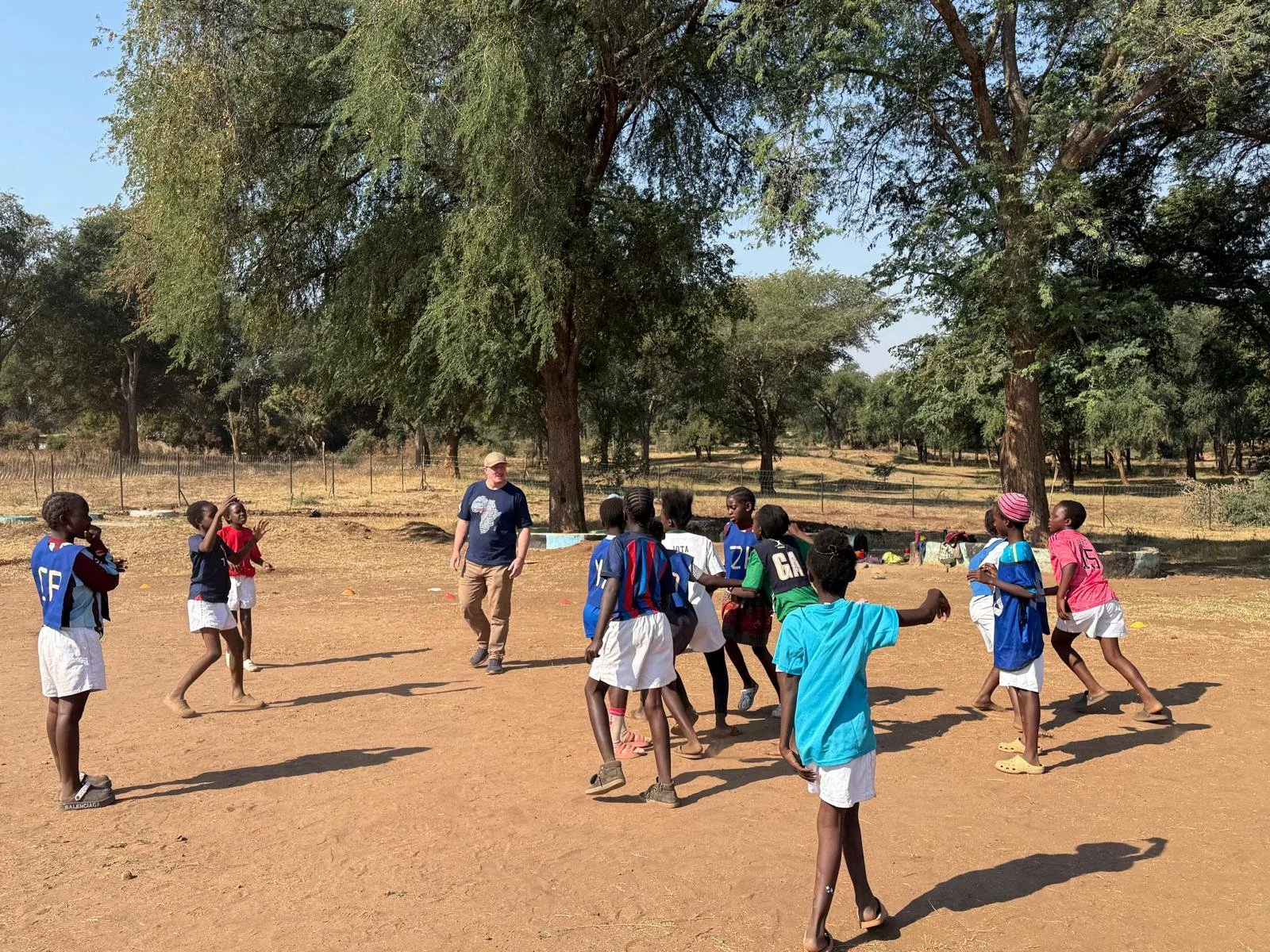
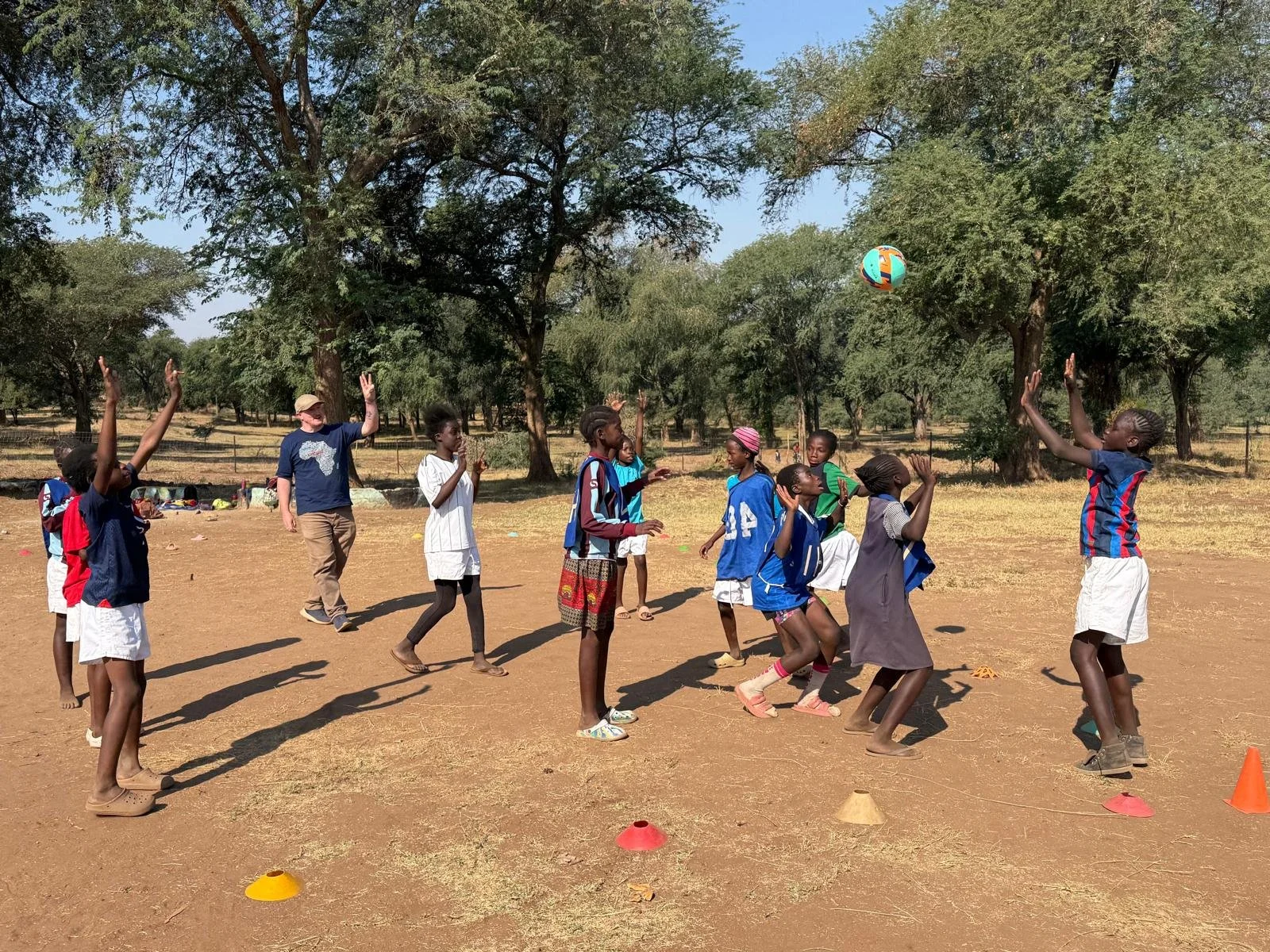
Elsewhere, ten-ball descended into what can only be described as glorious carnage.
The children understood the general principle of the game and then applied their own interpretation to almost every other aspect. There was shouting, considerable enthusiasm and only a passing relationship with order. Whatever educational purpose may originally have been intended was temporarily overwhelmed by the far more urgent objective of winning.
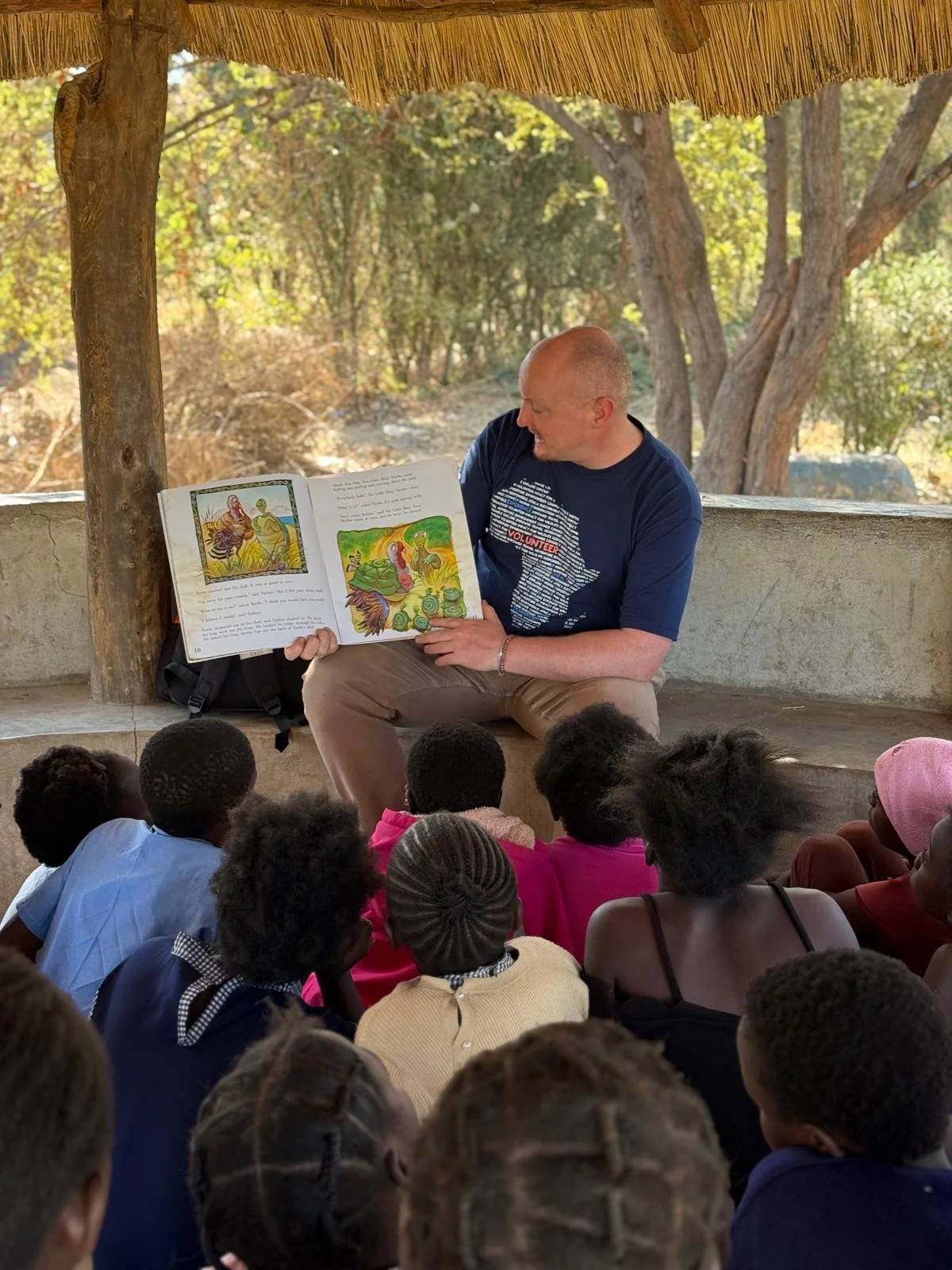
At Reading Club, the atmosphere was different. We worked through a word search of African countries and read Puss in Boots, moving at the pace the children needed rather than the one the page appeared to demand.
There is something quietly wonderful about watching a child wrestle with a word and then suddenly recognise it. The moment is tiny, lasting perhaps a second, but their expression changes completely. Confusion becomes certainty and they look up, waiting to see whether you noticed.
You did.
Other memories are even less dramatic.
Preparing medical kits before the day began. Making sandwiches for the feeding programme. Carrying supplies from one place to another and discovering that almost everything required was in the bag you had just put down somewhere else.
There is satisfaction in these repetitive tasks. They are not the sort of thing anyone imagines when they picture international volunteering, but they make the more visible work possible. The sandwiches have to be made, the equipment checked and the medical kits prepared before any of the work people actually see can begin.
Then there are the brief victories of communication.
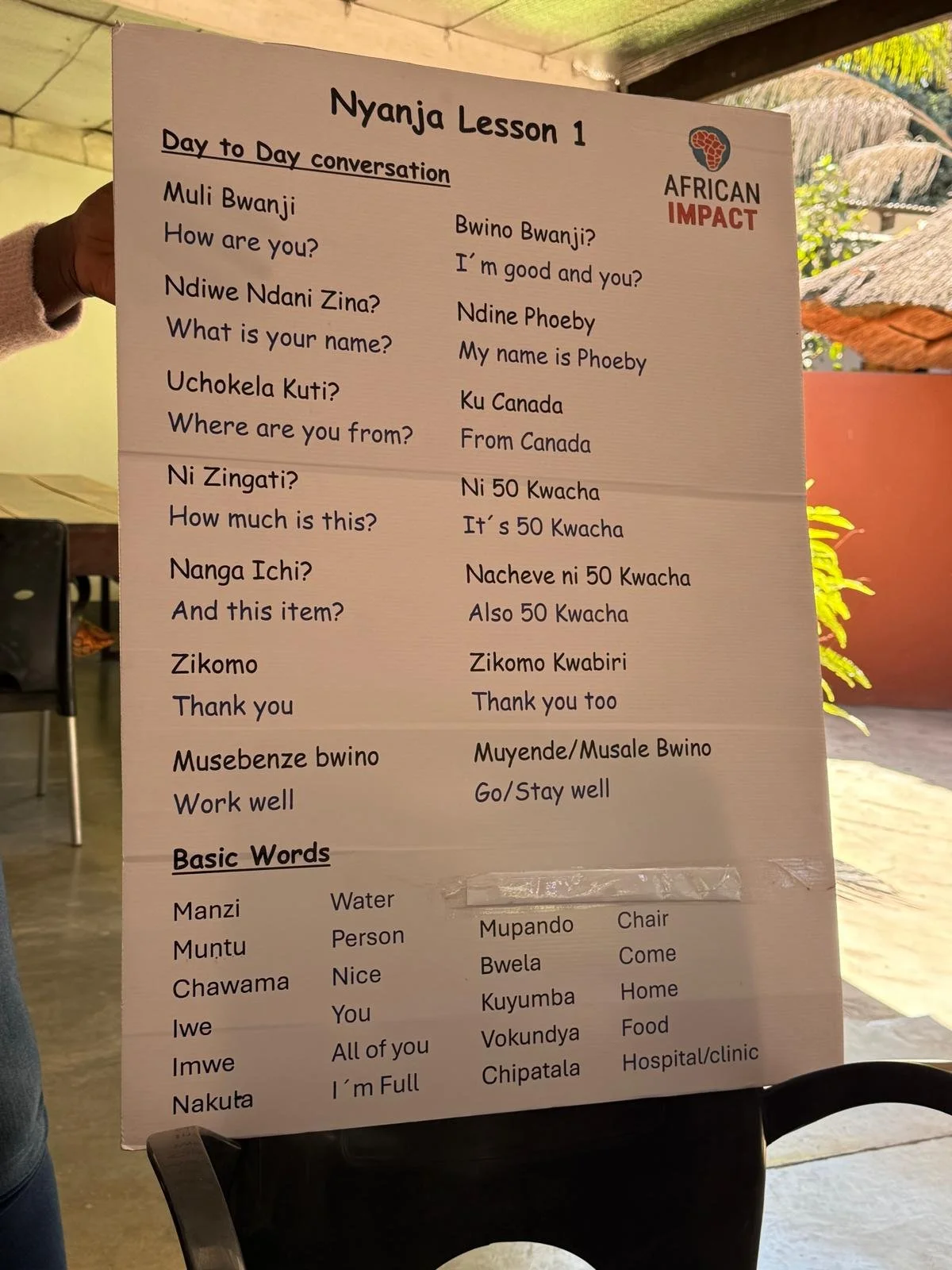
Hearing a familiar greeting and managing to answer without mentally searching through every word you have learned since arriving. Understanding the question before someone repeats it. Recognising a name, a place or a phrase and feeling the country become fractionally less unfamiliar.
None of these experiences would justify travelling thousands of miles on its own, and none of these moments is large enough to carry a whole story on its own, yet together they are becoming the story. Together, they have given the trip its texture.
Perhaps that is because the smaller moments are the ones least likely to have been planned in advance. The larger experiences can still feel like events arranged around you. You visit the waterfall. You attend the project. You take the photograph. Small moments are different because they tend to happen when nobody is trying to create a memory.
They arrive while you are walking somewhere, waiting for something, carrying equipment or sitting quietly at the edge of somebody else’s day.
The largest moments tell me where I was.
The smaller ones remind me what it felt like to be there.
They contain the laughter that interrupted the serious days, the children who turned an organised activity into cheerful chaos, the jobs completed quietly before anybody else arrived and, inevitably, a puppy.
There is a temptation, particularly when writing about volunteering, to search constantly for significance. You want each day to produce a revelation and every encounter to end with a sentence worthy of being printed in italics over a photograph of the sunset.
Real life is rarely that cooperative. Even on days dominated by practical work, something small has a habit of interrupting the routine and changing the texture of it. Somebody smiles, a conversation takes an unexpected turn, a child becomes fascinated by a new word or a colleague makes a joke at exactly the right moment. For a few seconds, everybody is simply sharing the same experience.
Years from now, I may need photographs to remember the order in which places were visited or the precise dates on which things happened. The days will blur, and some of the larger experiences may become polished through repetition until they sound almost like stories belonging to somebody else.
I doubt, though, that I will need help remembering the look on a child’s face when the difficult word finally made sense.
Nor, I suspect, the smaller details that have quietly attached themselves to the experience.
The dust on the road.
The morning cold.
The noise of the birds.
The people beside me.
Perhaps that is why I am trying to pay closer attention. Not every photograph needs to contain a landmark. Sometimes a day matters because of one conversation, one laugh or one moment when you realise that somewhere which initially felt unfamiliar has begun, quietly, to feel known.
The small moments are rarely announced. They simply happen, often while nothing extraordinary appears to be happening at all, and only later do you realise that they were the moments in which the whole experience was taking shape.