
Off Duty
There is a danger, when you travel somewhere for a purpose, of becoming so focused on that purpose that you forget to look up.
I came to Zambia to volunteer. That has shaped almost every part of the trip, from the fundraising before I left home to the early mornings, medical kits, home-based care visits, education projects and all the small practical jobs that fill the working week.
It is why I am here.
But it is not all that is here.
When Friday arrives and the programme closes for the weekend, the rhythm changes. The medical backpack can be put down, the worksheets packed away and, for a couple of days, there is permission to explore the place in which all of this work is happening.
I have gradually realised that this matters too.
Volunteering can carry a strange moral seriousness with it. You are surrounded by people dealing with difficulties that are very real, and it can feel slightly uncomfortable to step away from that and do something purely because it is enjoyable. There is an instinct to think that every hour should somehow be useful.
I am beginning to suspect this is nonsense.
Being somewhere does not require you to experience only its problems.
One of the first opportunities to see another side of life here came through a village tour.
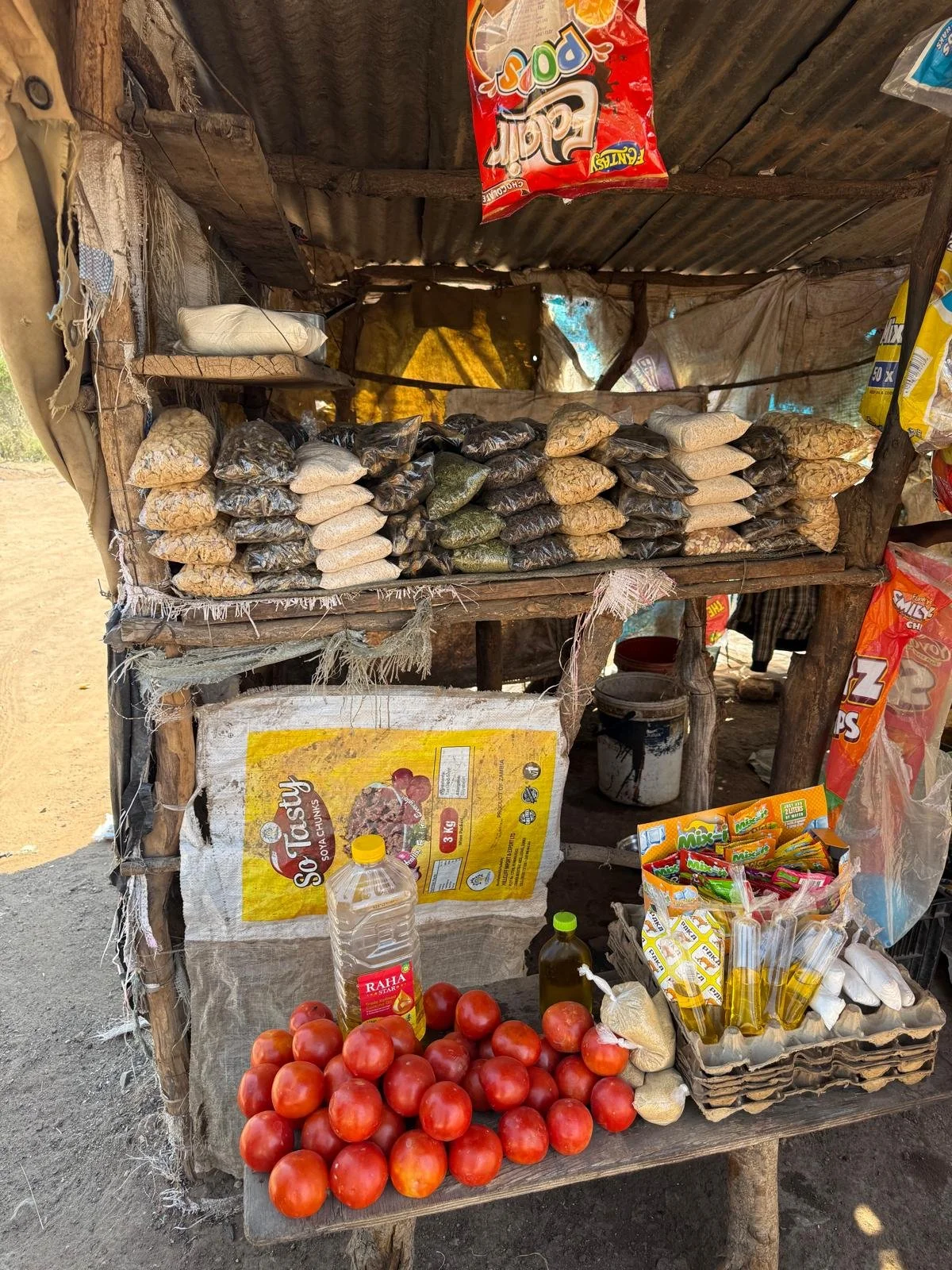
There is always a risk with anything described as a ‘village tour’ that it will feel as though everyday life has been arranged for the benefit of visitors. What I enjoyed instead was the opportunity to look more closely at things I might otherwise have passed without understanding, to ask questions and to see a little more of how homes, families and daily routines fit together beyond the projects where I spend most of my working week.
It was another reminder that seeing a place is not the same as simply looking at it.
The same was true of going to the market, although this involved considerably more fabric.
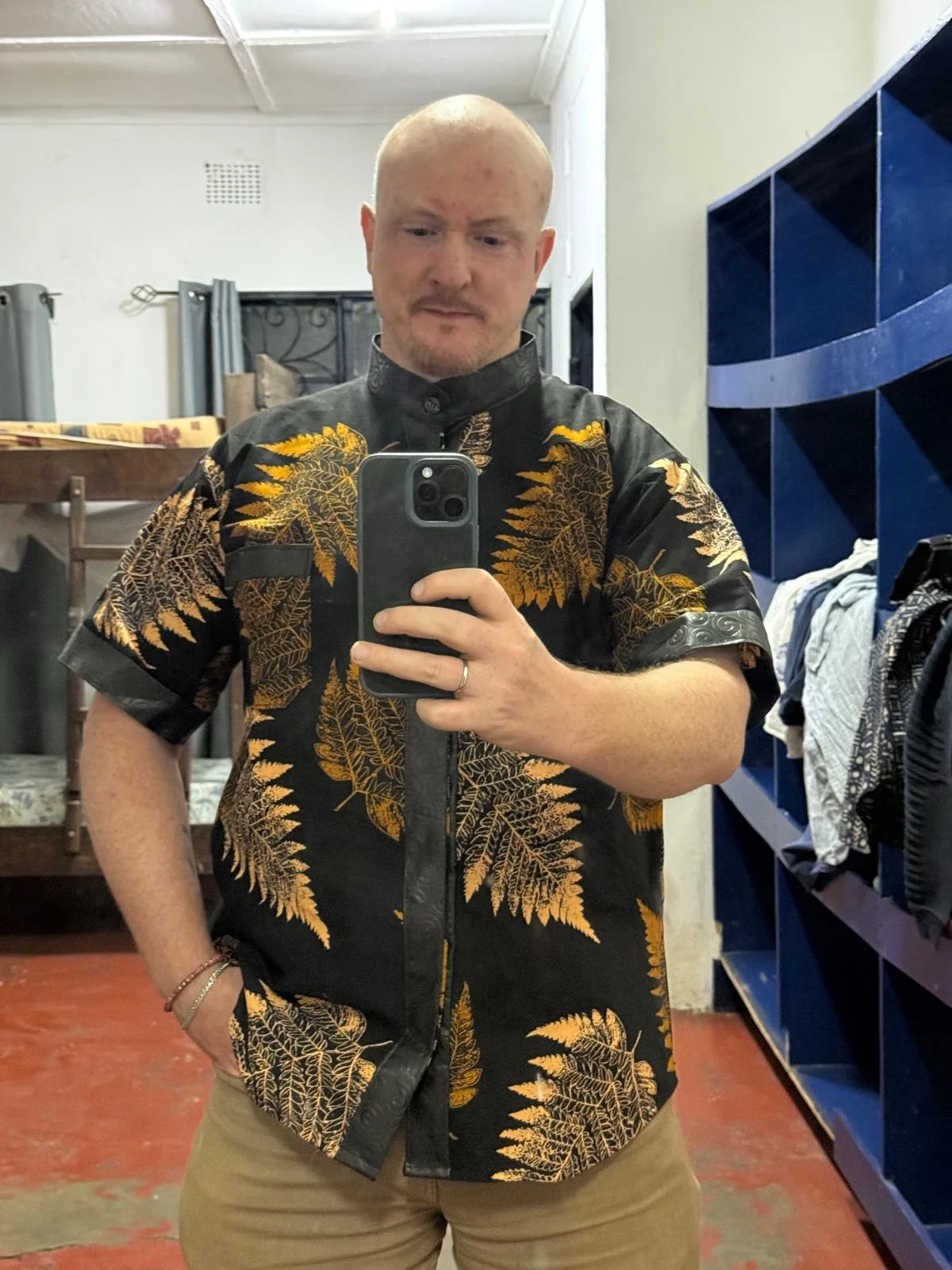
I had already discovered that one of the pleasures of being here is the sheer range of colours and patterns in the materials people wear, so buying some fabric and having shirts made seemed considerably more interesting than returning home with something mass-produced from a souvenir shop.
There is something wonderfully satisfying about choosing the material first, discussing what you want and then handing it over to somebody who can turn it into something made specifically for you. The finished shirts will come home with me carrying rather more of a connection to this place than anything I could have bought ready-made.
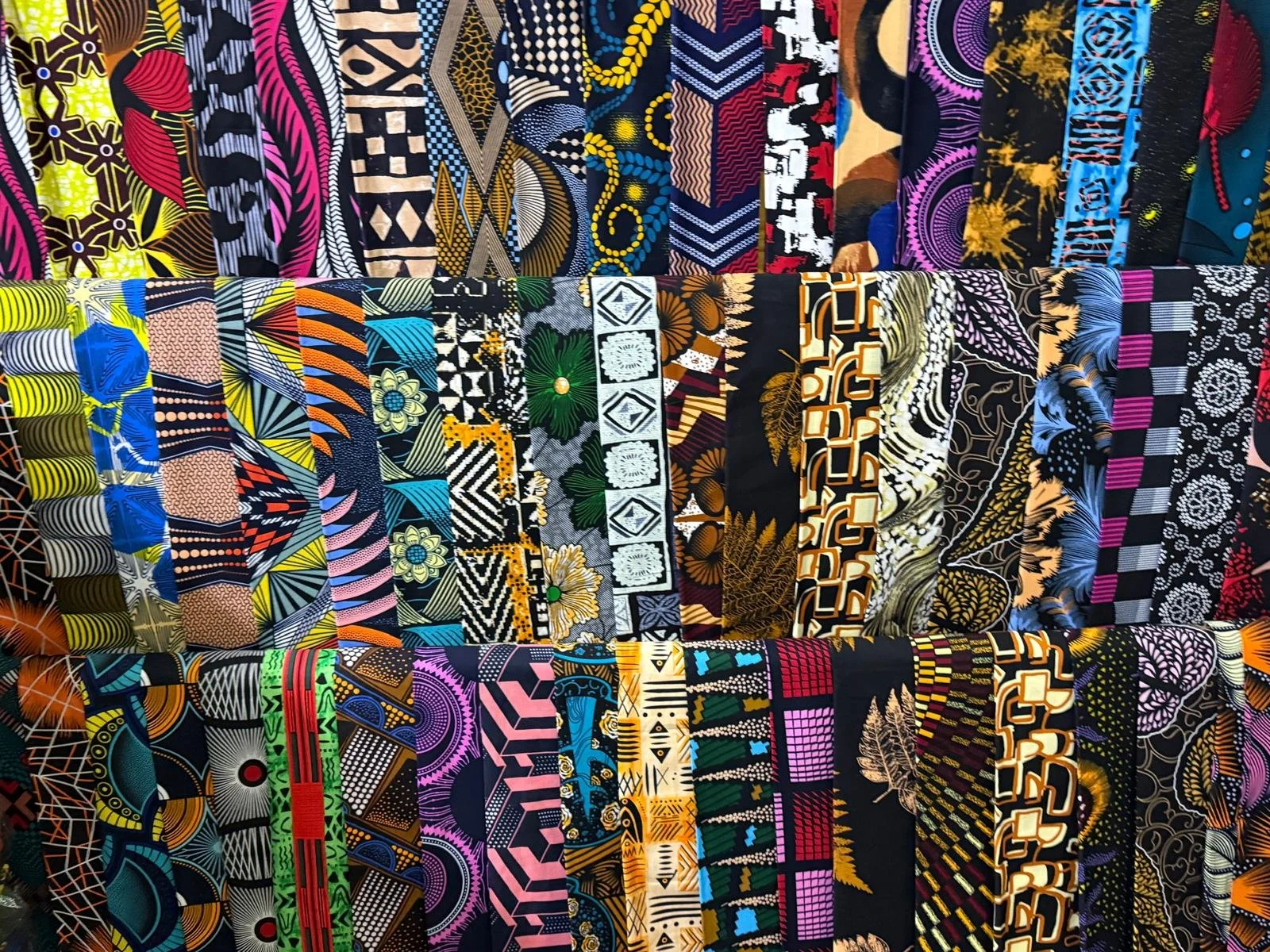
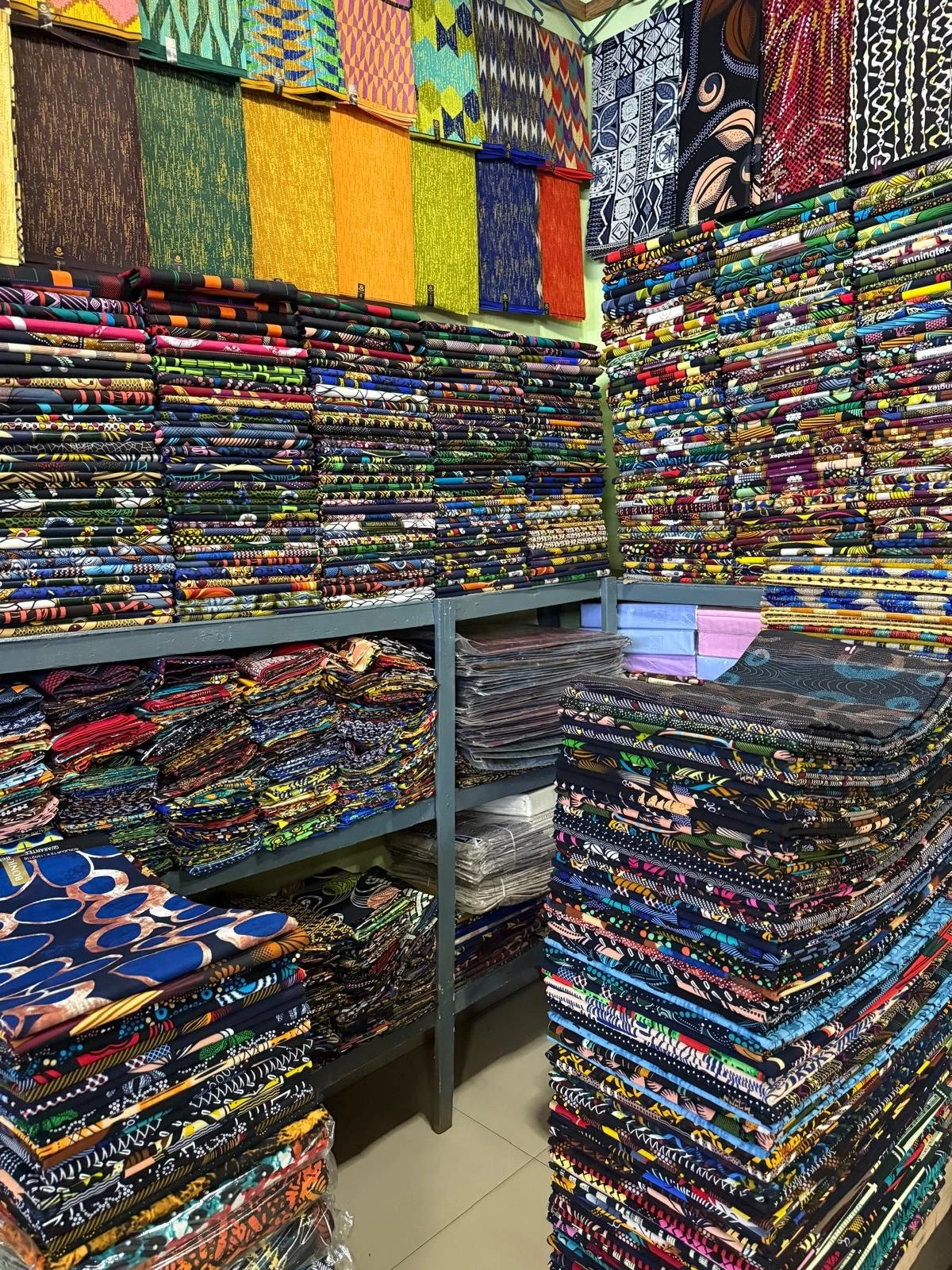
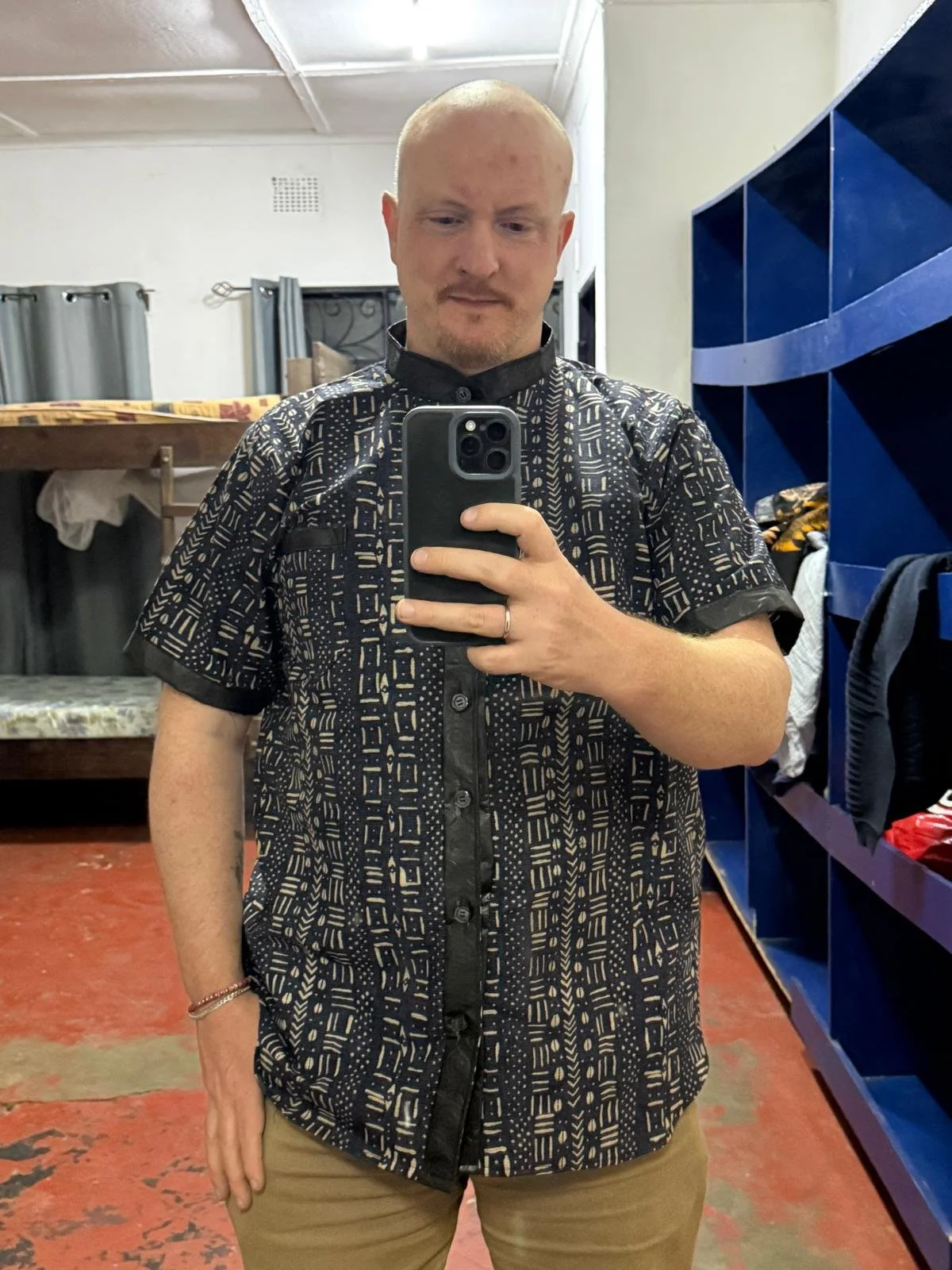
It also provided an entirely legitimate reason to wander around a market looking at things, which is an activity for which I rarely require much encouragement.
And, crucially, there was Fritter.
Not ‘a fritter’. Not ‘some fritters’. Simply Fritter, which I have come to regard less as a foodstuff and more as an institution.
These are the details that rarely appear on anybody’s itinerary but somehow become inseparable from the experience. You can travel thousands of miles to see one of the greatest waterfalls on Earth, choose fabric in a market and have shirts made for you, then discover that one of the things you will talk about with disproportionate enthusiasm is a piece of fried dough.
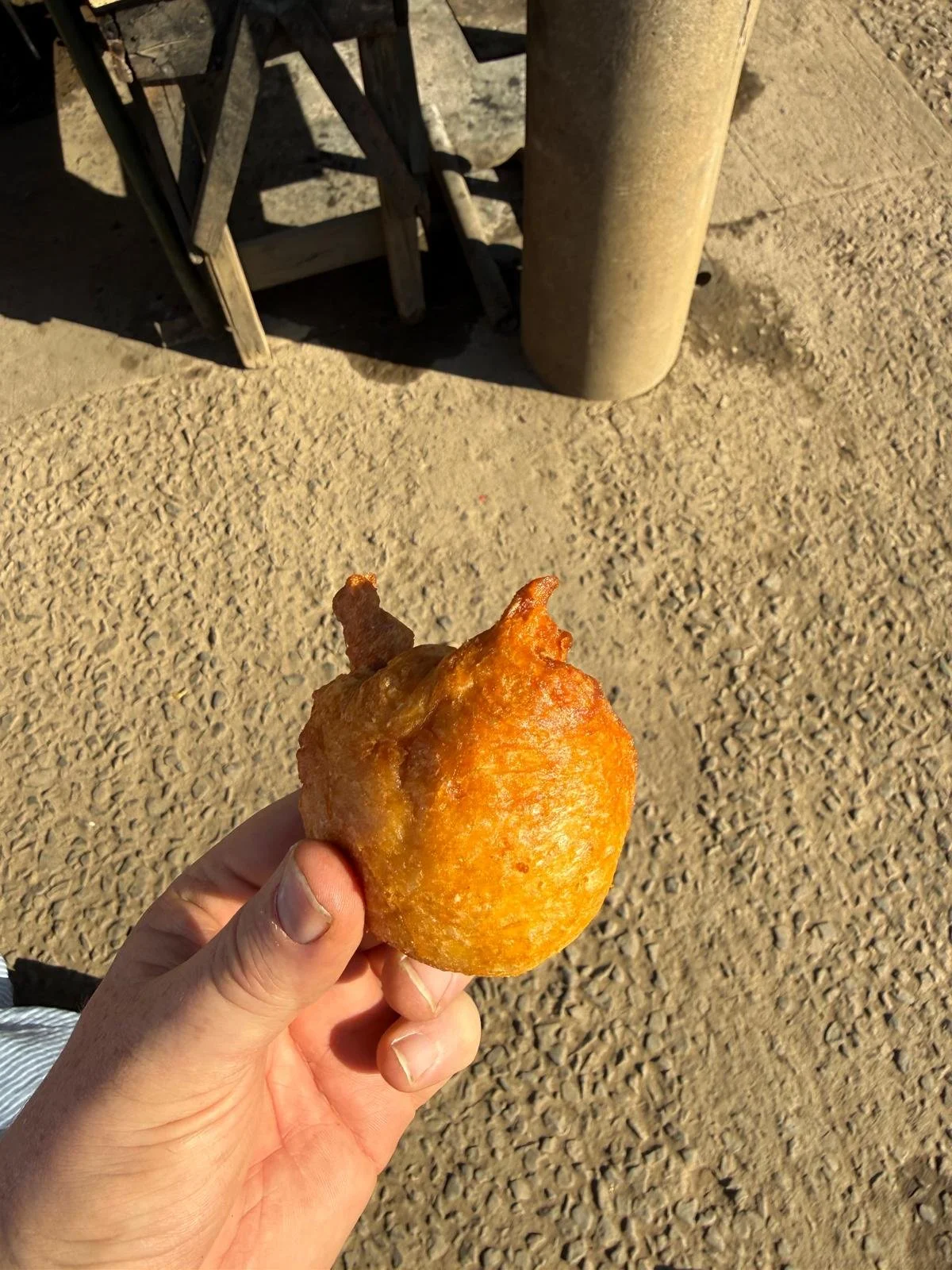
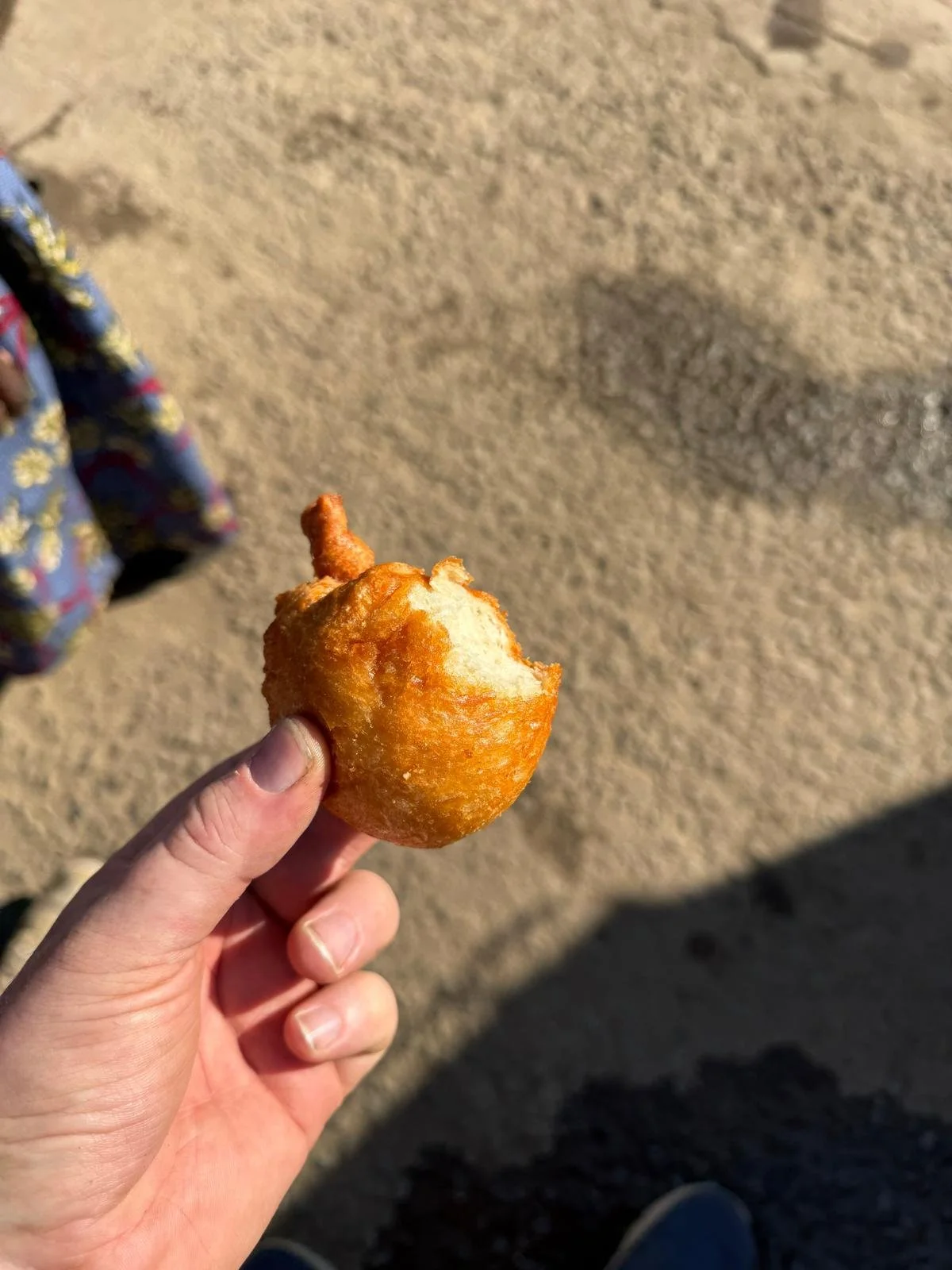
All of these things, I would argue, are culturally significant.
Not every day off needed to involve something spectacular, though. Some of the best hours were considerably less ambitious, spent back at the Backpackers with nowhere in particular to be, sitting outside with a book or my laptop, drinking coffee and allowing the day to unfold without a list of jobs attached to it.
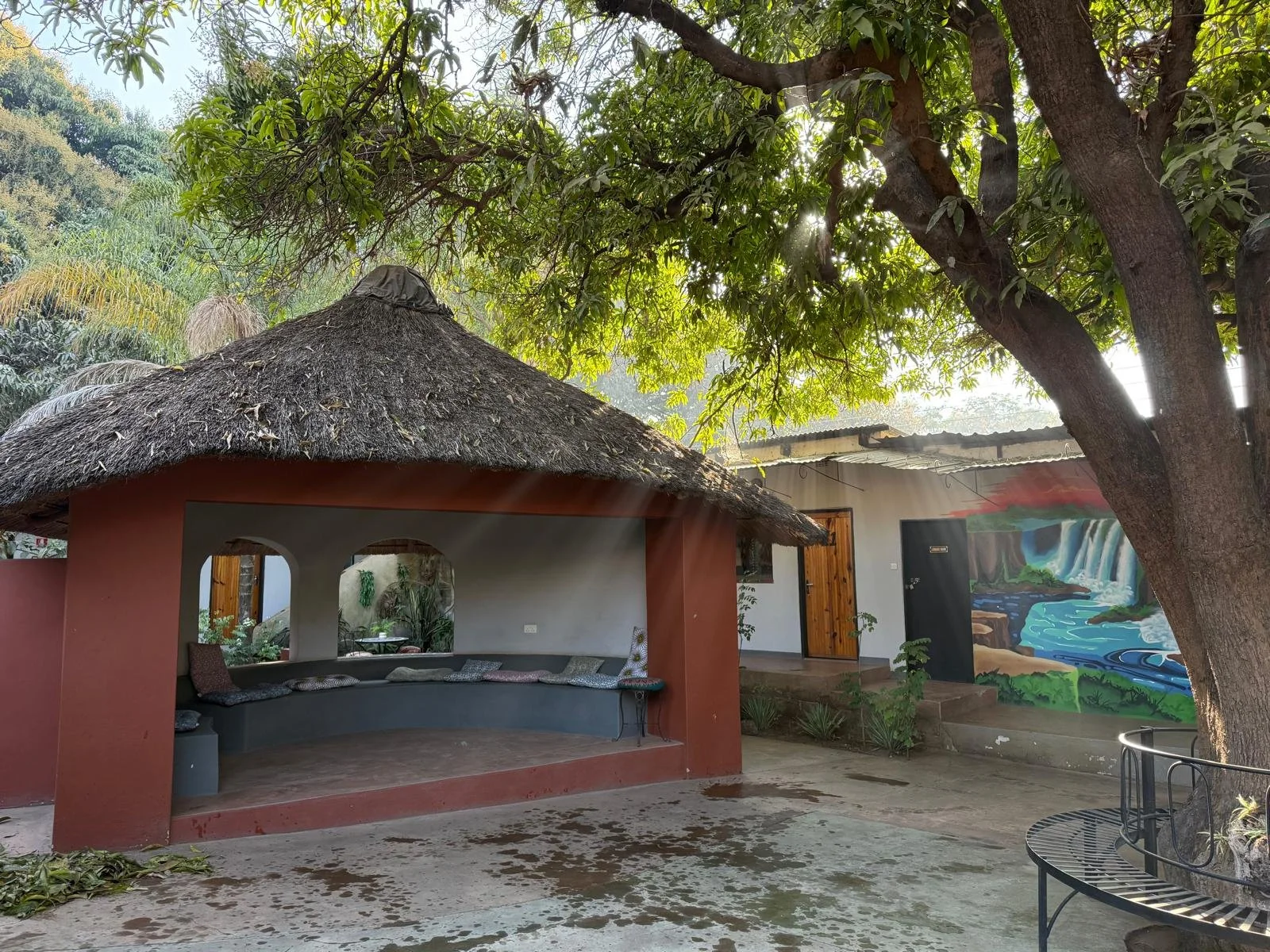
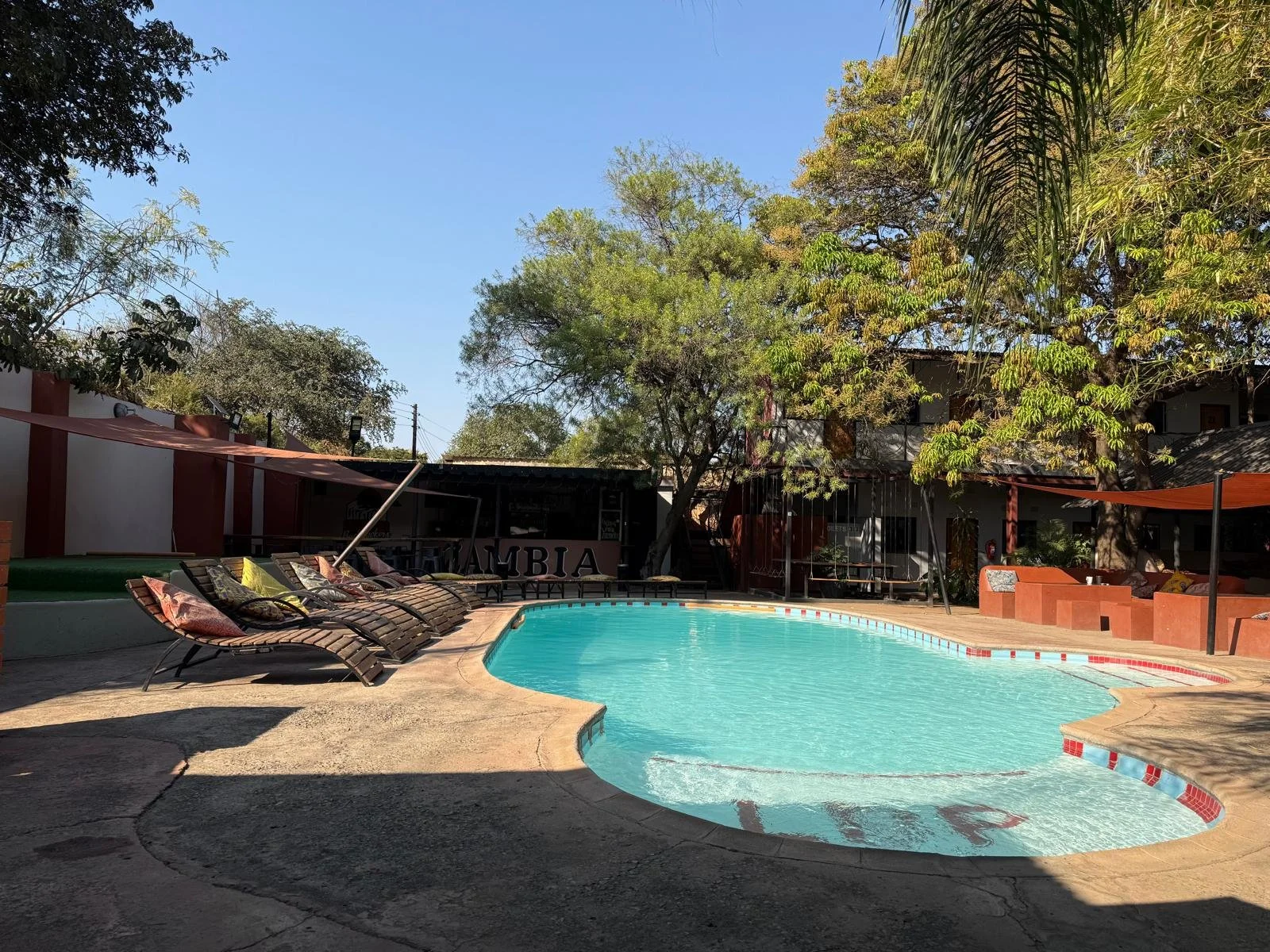
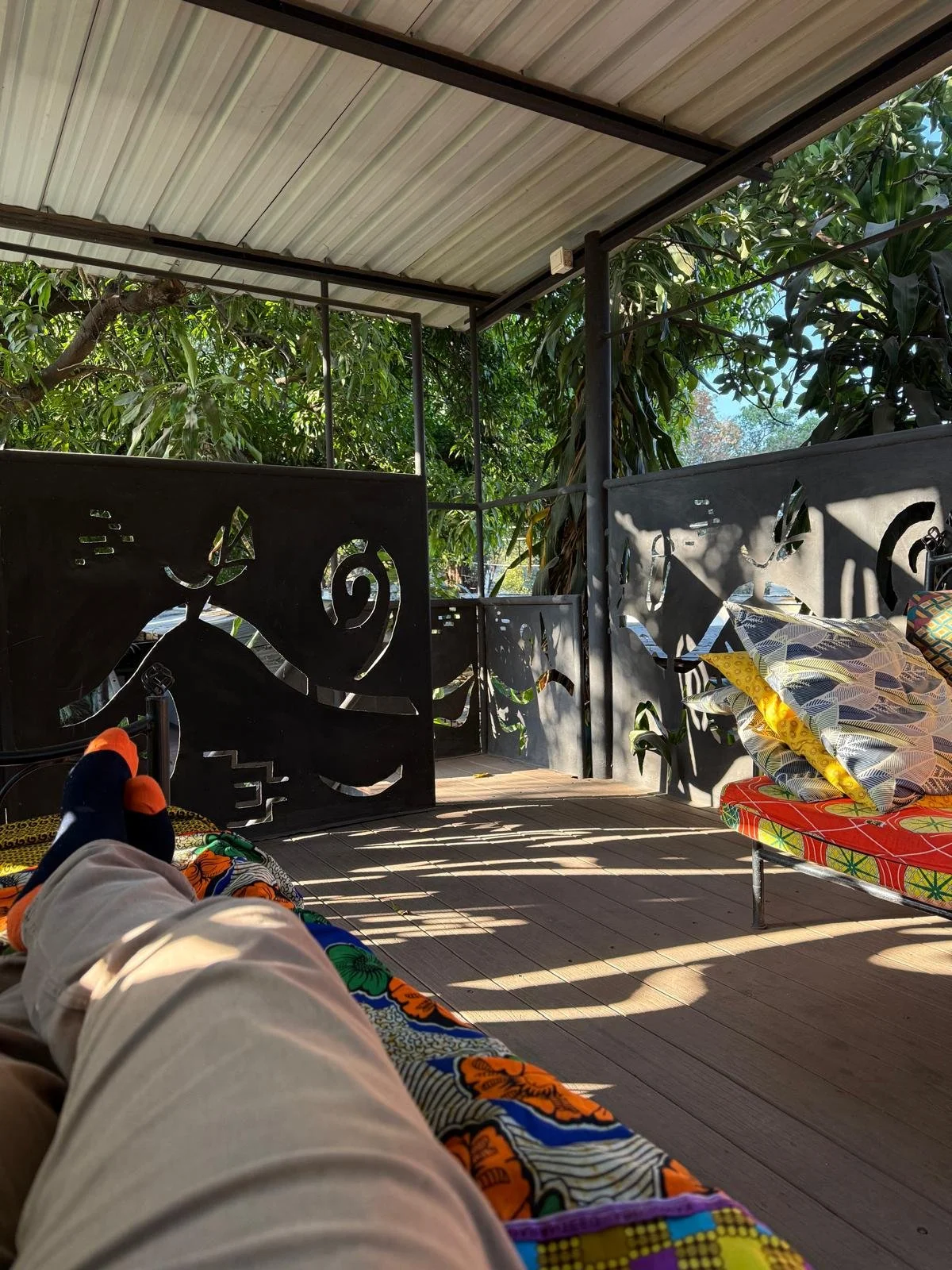
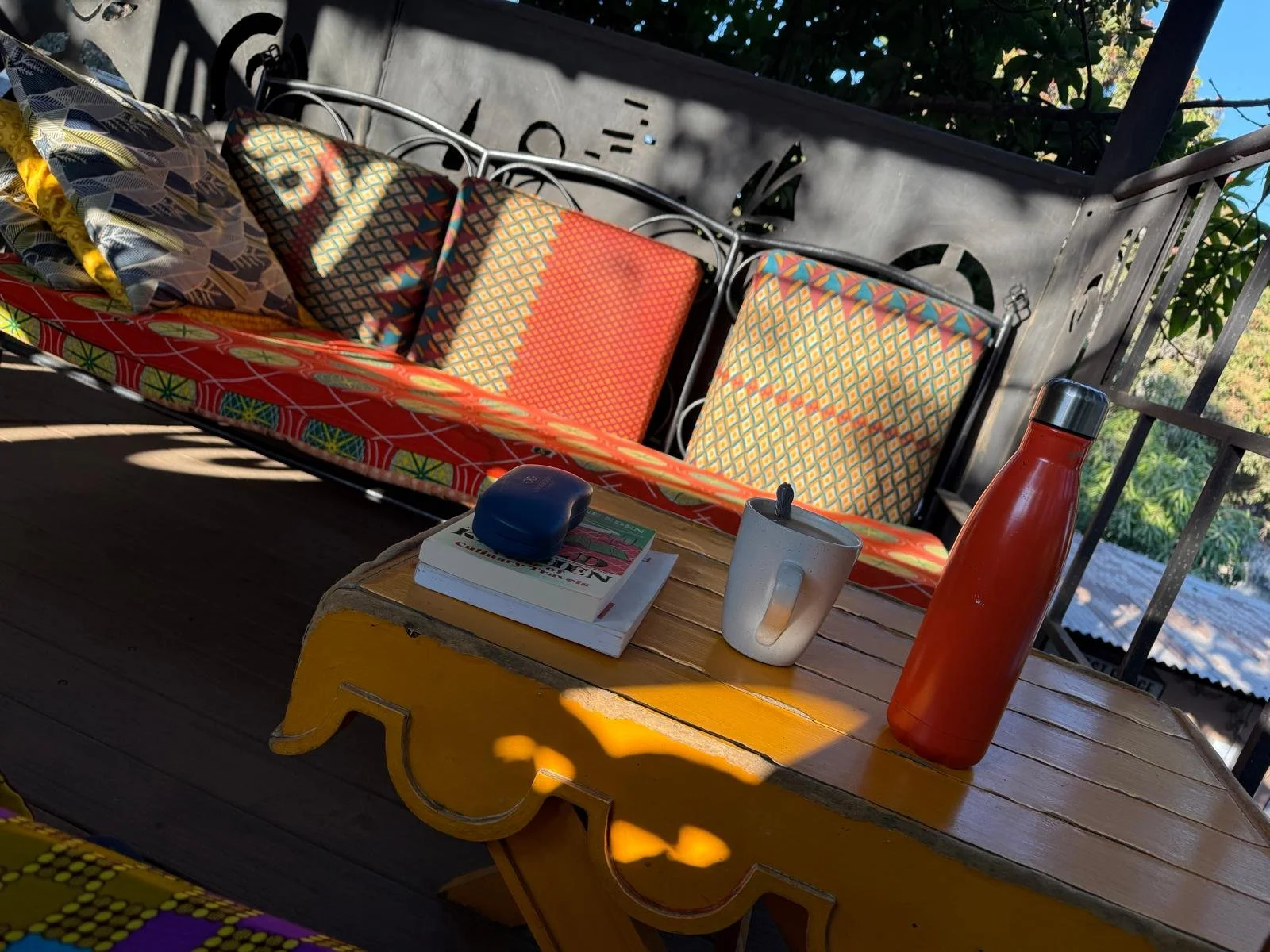
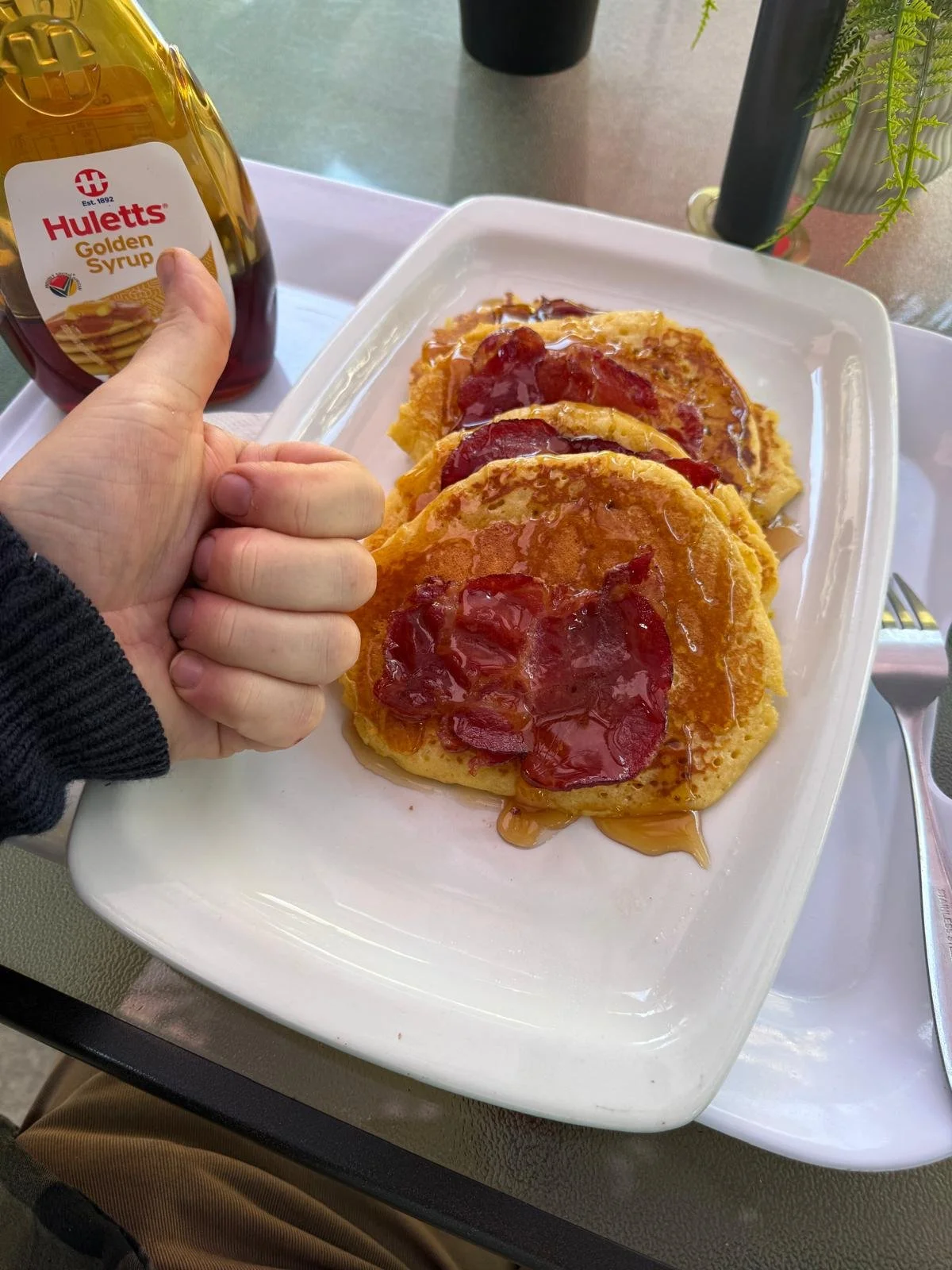
There was also the important matter of breakfast, including pancakes approximately the size of my face, which seemed an entirely reasonable reward for a week of useful activity. I had forgotten how restorative it can be simply to stop for a while, especially somewhere warm and unhurried, where doing very little can feel like exactly the right thing to be doing.
That quieter version of being off duty has been every bit as valuable as the more adventurous one.
Although, admittedly, the weekends have not always remained quite so sensible.
Sometimes, for example, the most appropriate thing to do is get on a horse.
Zambia is the communities I have visited and the projects I have worked with, but it is also the landscape around them. It is a country people travel thousands of miles to see for reasons that have nothing to do with clinics, community centres or international development.
Horse riding offered a completely different way of seeing the landscape. The pace slows, not because anybody has made a conscious decision to practise mindfulness, but because horses remain magnificently uninterested in your schedule.
From horseback, you notice things differently. Paths that would barely register through the window of a vehicle become the whole route. The landscape stops rushing past and begins to unfold around you instead.
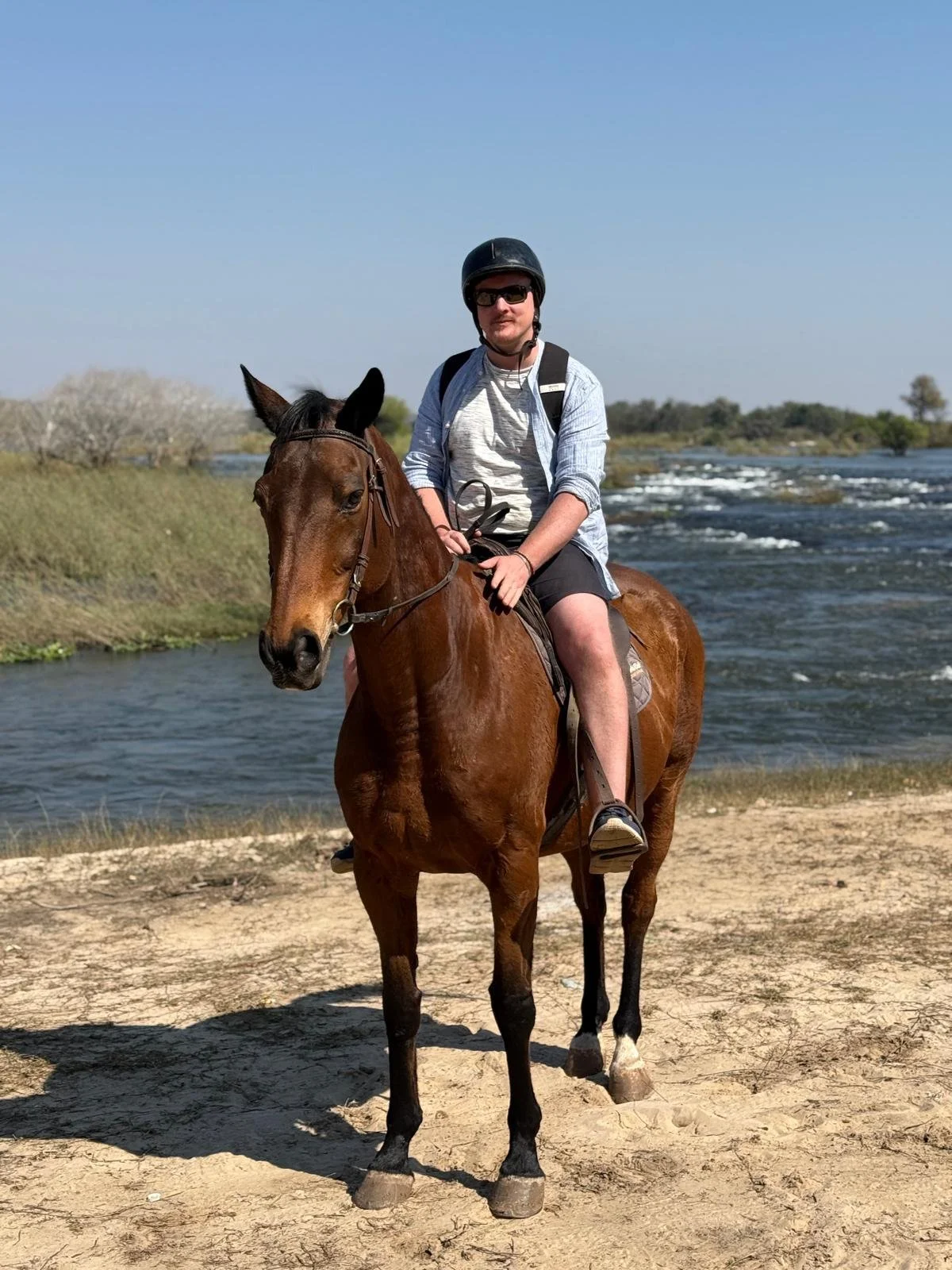
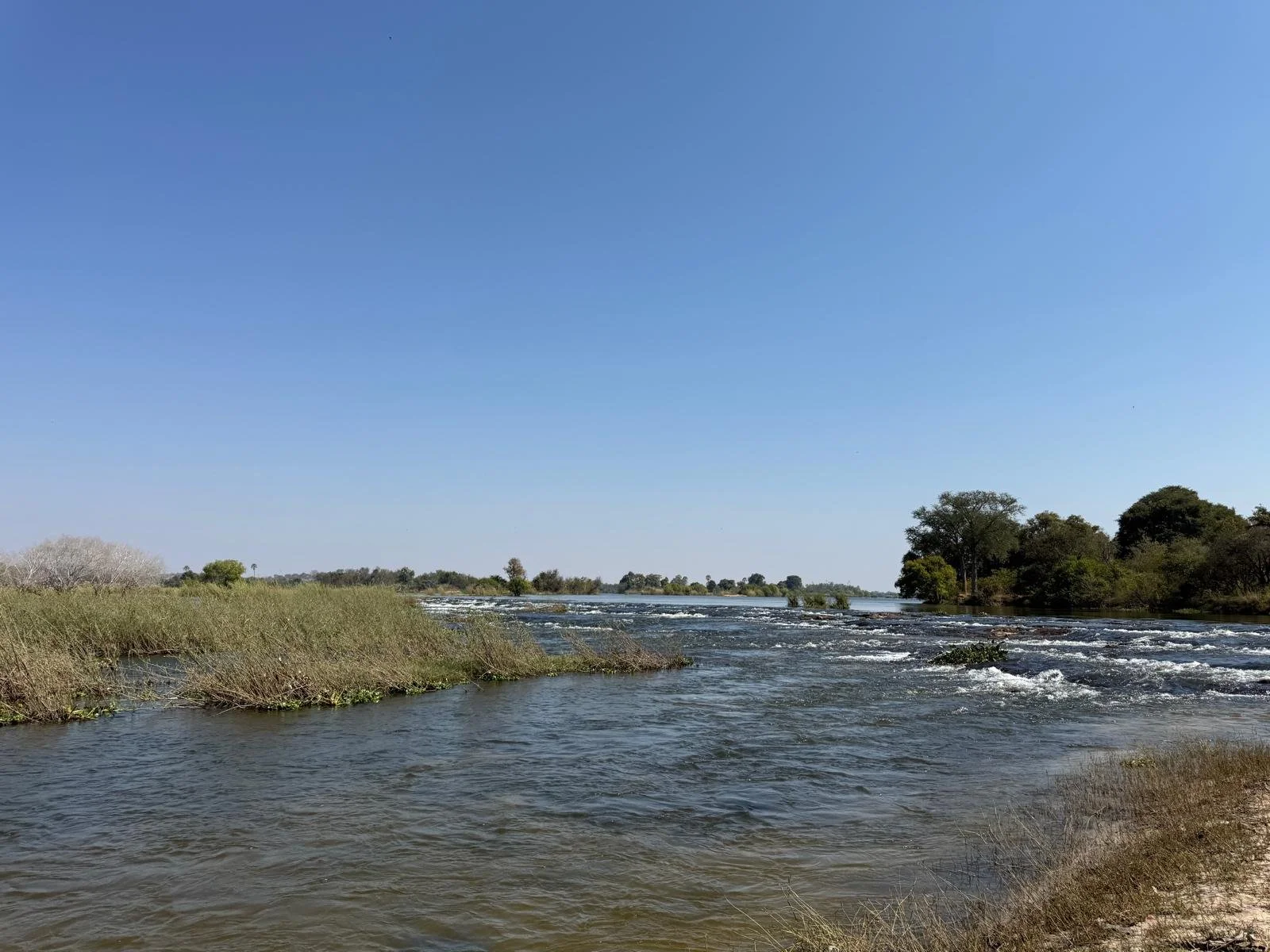
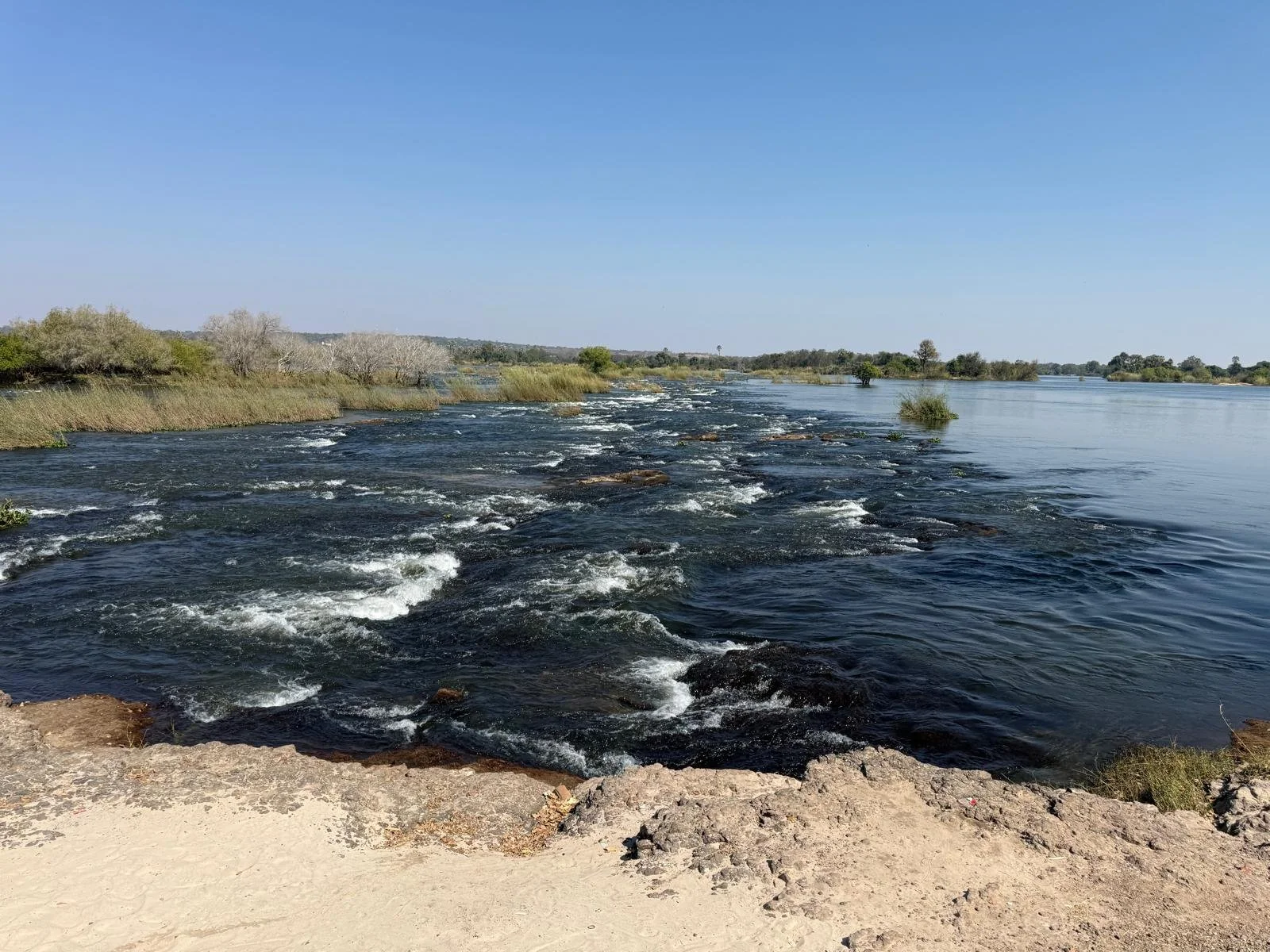
There is also something pleasantly absurd about having spent part of the week checking medical supplies and helping with community projects, only to find yourself a few days later sitting on a horse in Zambia wondering whether you look remotely as competent as you had hoped.
I almost certainly did not.
Then there was the microlight.
There are sensible ways to see Victoria Falls. There are viewpoints, paths and carefully constructed places from which you can stand at a reassuring distance and admire one of the great natural wonders of the world.
Alternatively, you can strap yourself into what appears to be a lawnmower with wings and take to the sky.
The view from above changes the scale of everything.
From the ground, Victoria Falls is noise, spray and enormous quantities of water disappearing over an edge with alarming enthusiasm. From the air, you begin to understand the geography around it. The river approaches, the land suddenly fractures and the water pours into the gorge before continuing through the landscape beyond.
For a few minutes, the whole thing becomes visible at once.
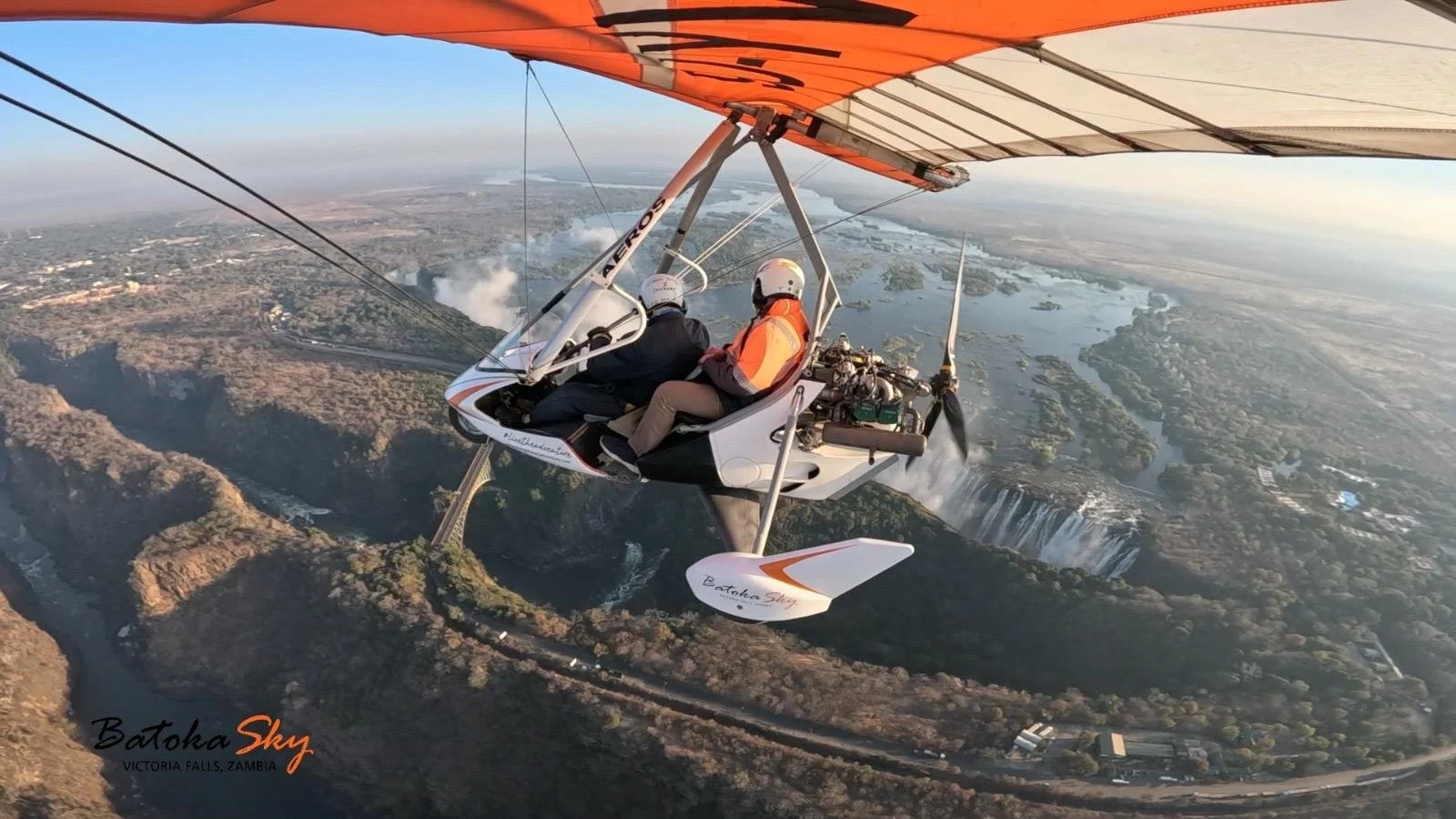
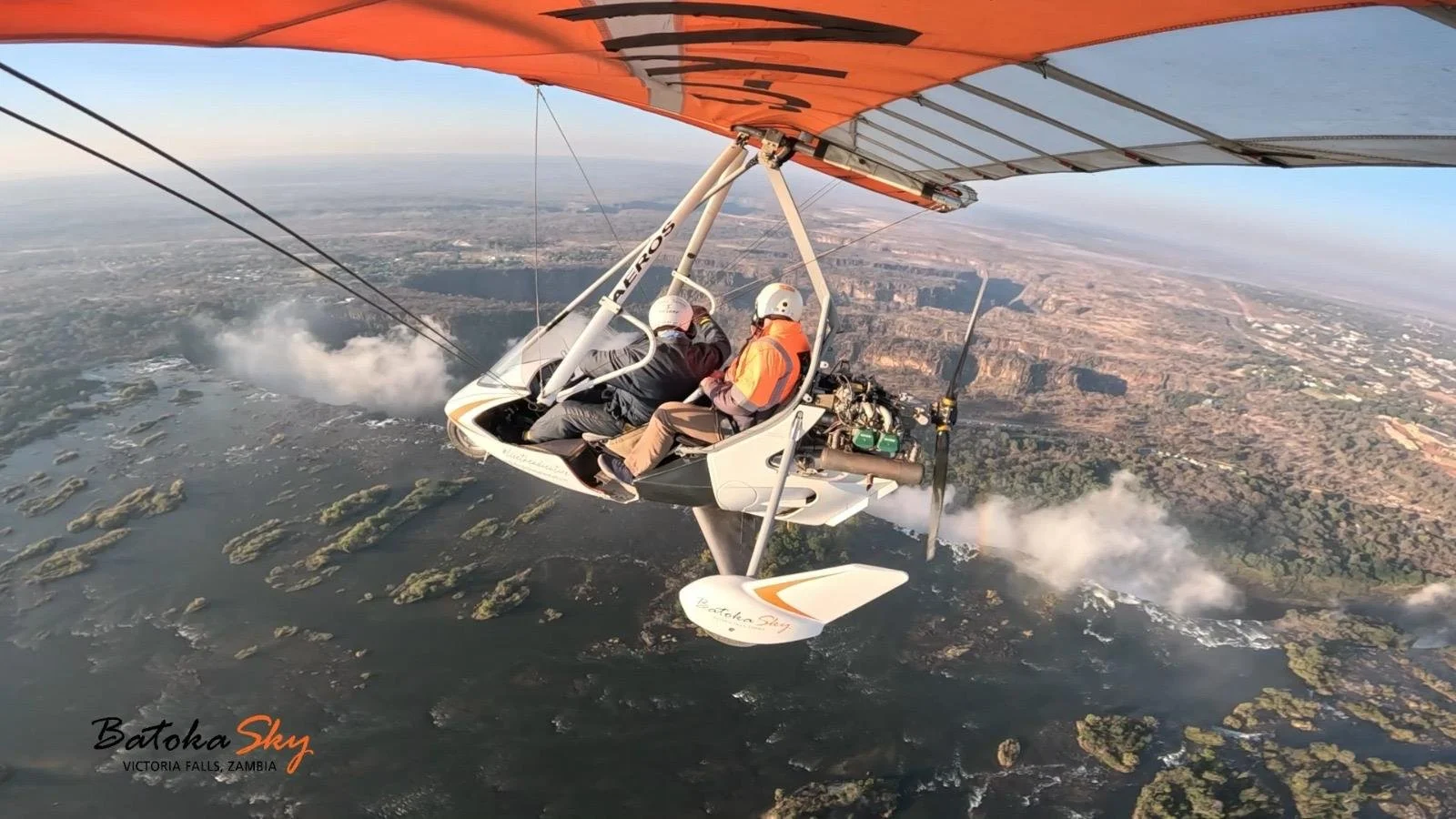
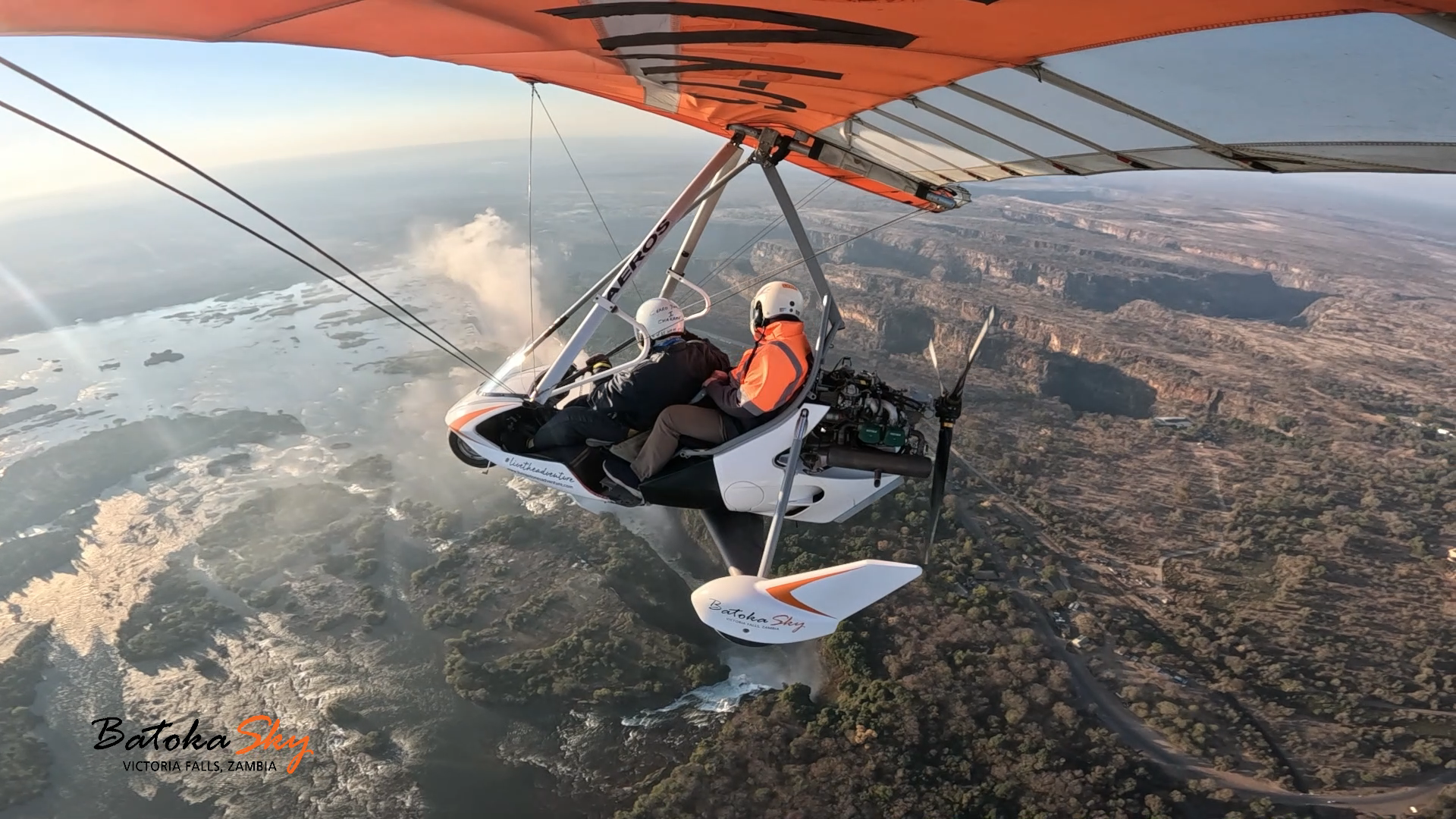
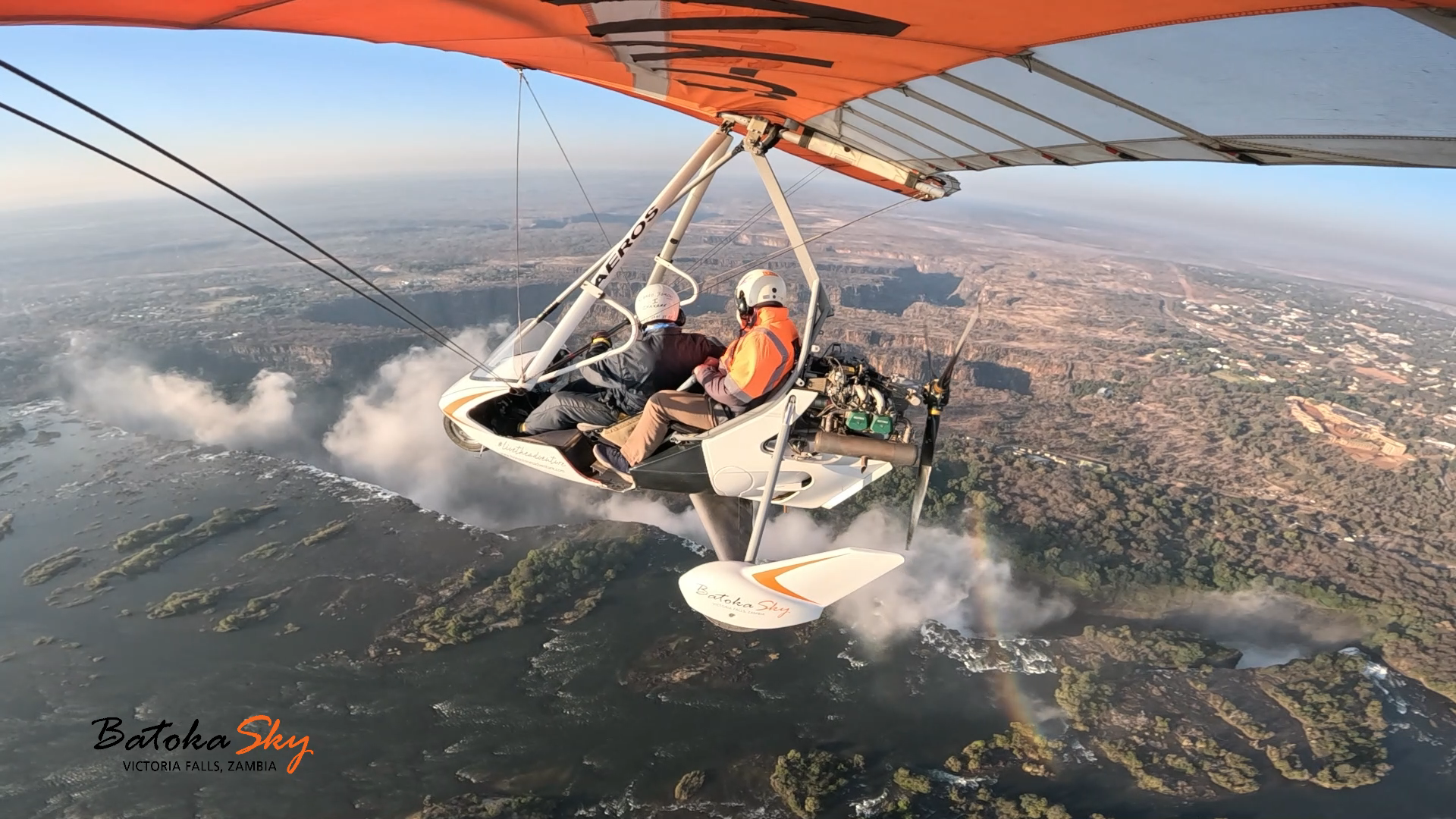
It is difficult to feel particularly important from that height.
That may be one of the recurring themes of Zambia.
Coming back to earth did not, apparently, mean returning to sensible behaviour.
There was also zip lining.
Having already looked down into the landscape from a microlight, the next logical step was evidently to cross the border into Zimbabwe, attach myself to a cable and travel across part of it at speed.
There is always a brief moment before doing something like this when the sensible part of your brain points out that humans have spent thousands of years developing increasingly sophisticated ways of avoiding falling into enormous gorges. The less sensible part has already put on a harness.
Then you step off.
For a few seconds there is nothing particularly useful to do except trust the equipment, enjoy the view and accept that gravity has temporarily become somebody else's administrative problem.
It is exhilarating in a completely different way from the microlight. From the air, you are removed from the landscape, looking down and trying to comprehend its scale. On a zip line, you are suddenly part of it, suspended above it with the scenery rushing past and considerably less opportunity for quiet contemplation.
I appear to have developed a rather liberal interpretation of what constitutes a relaxing weekend.
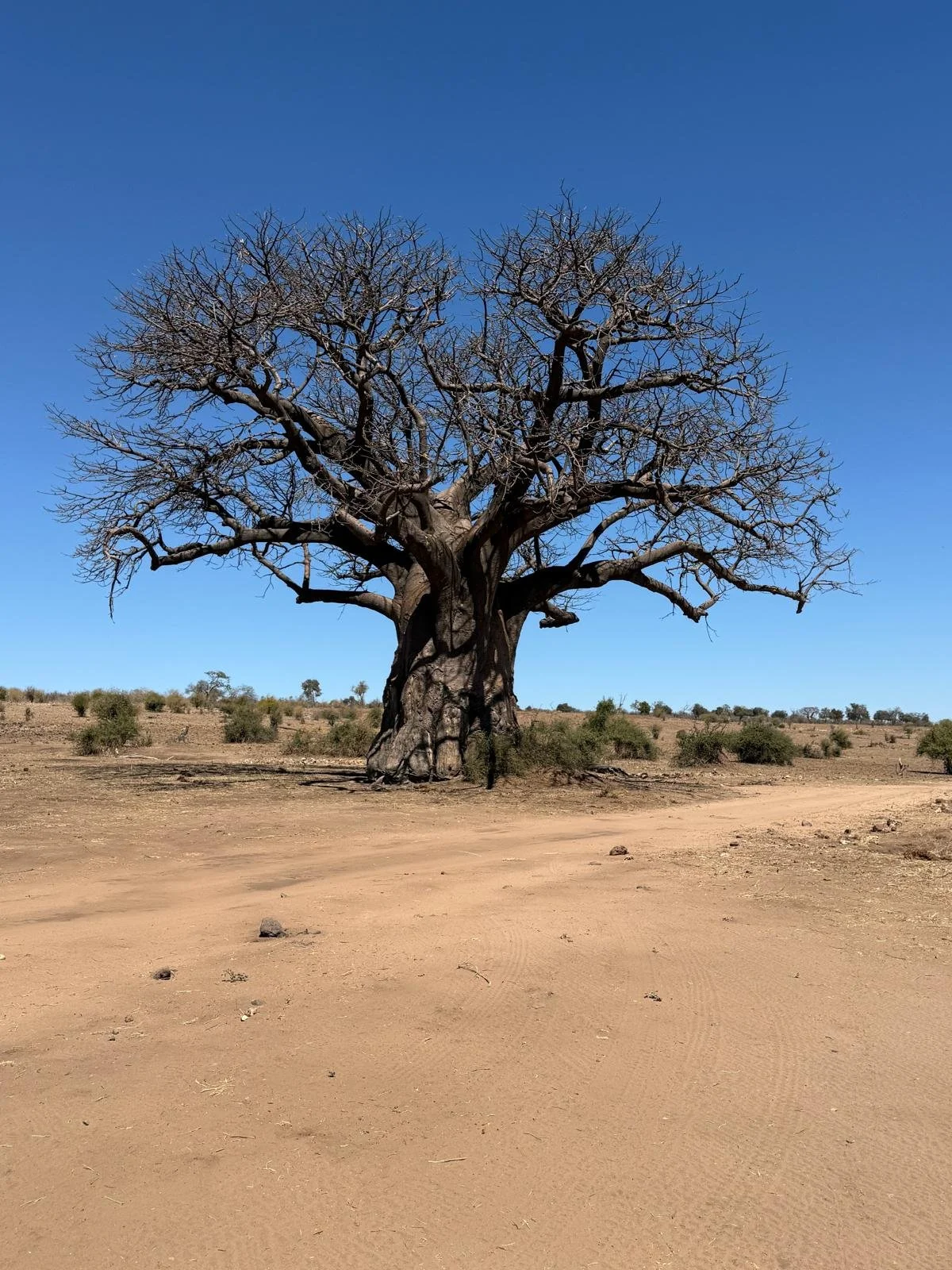
Then there was Chobe.
Crossing into Botswana added another country to a trip that was already expanding considerably beyond the boundaries of anything I had imagined while sitting at home planning it.
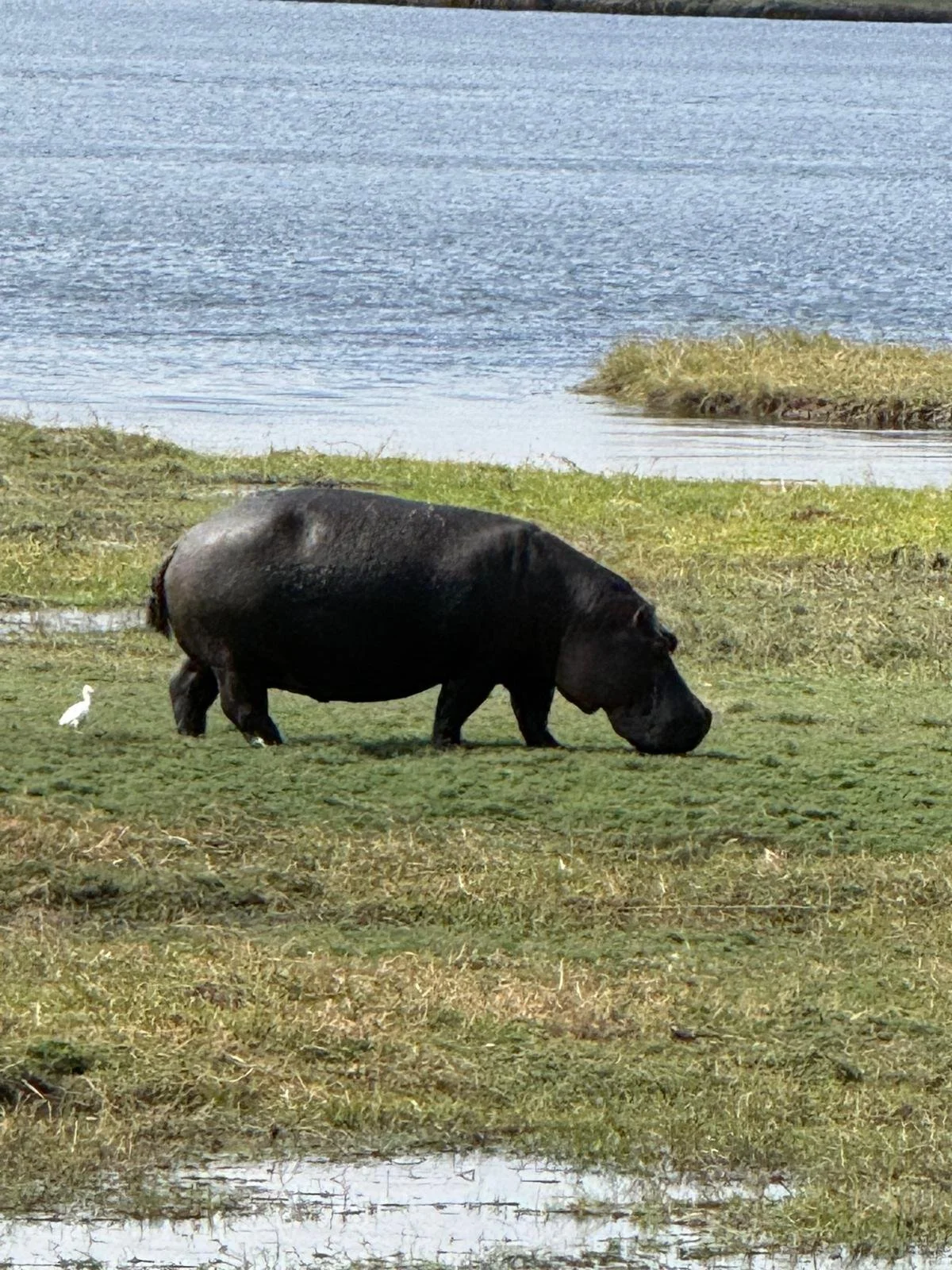
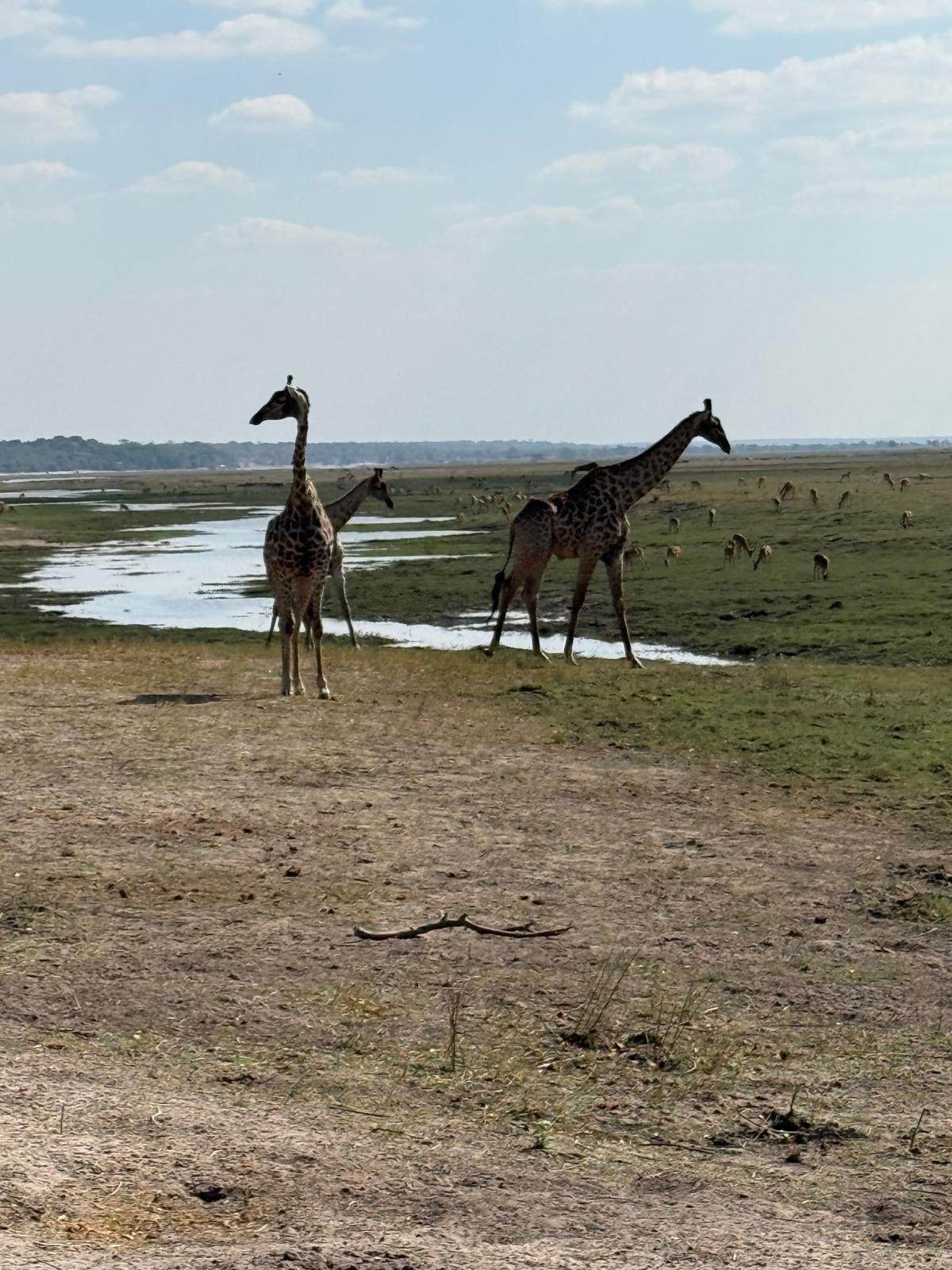
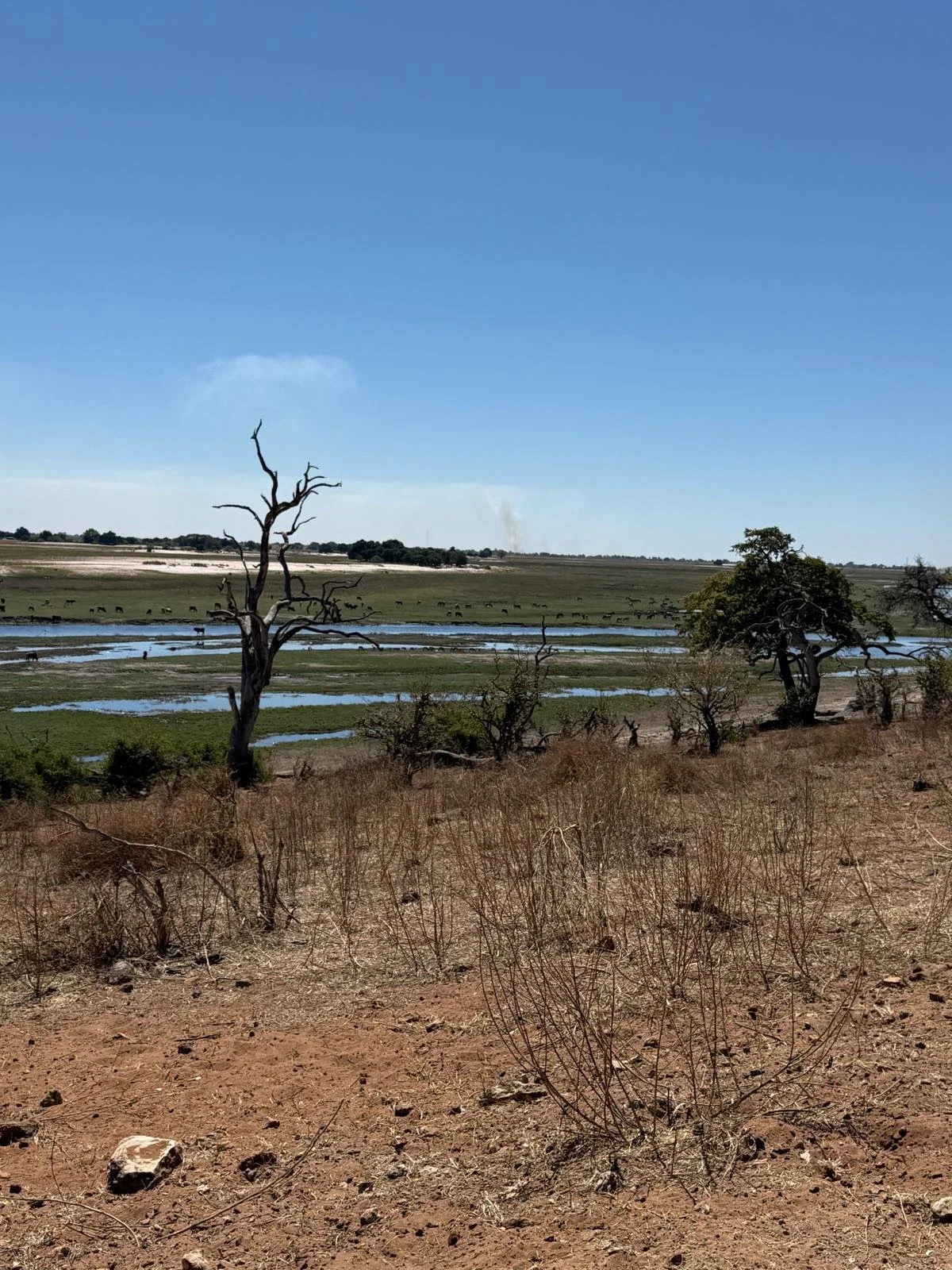
Chobe is somewhere you go specifically to look.
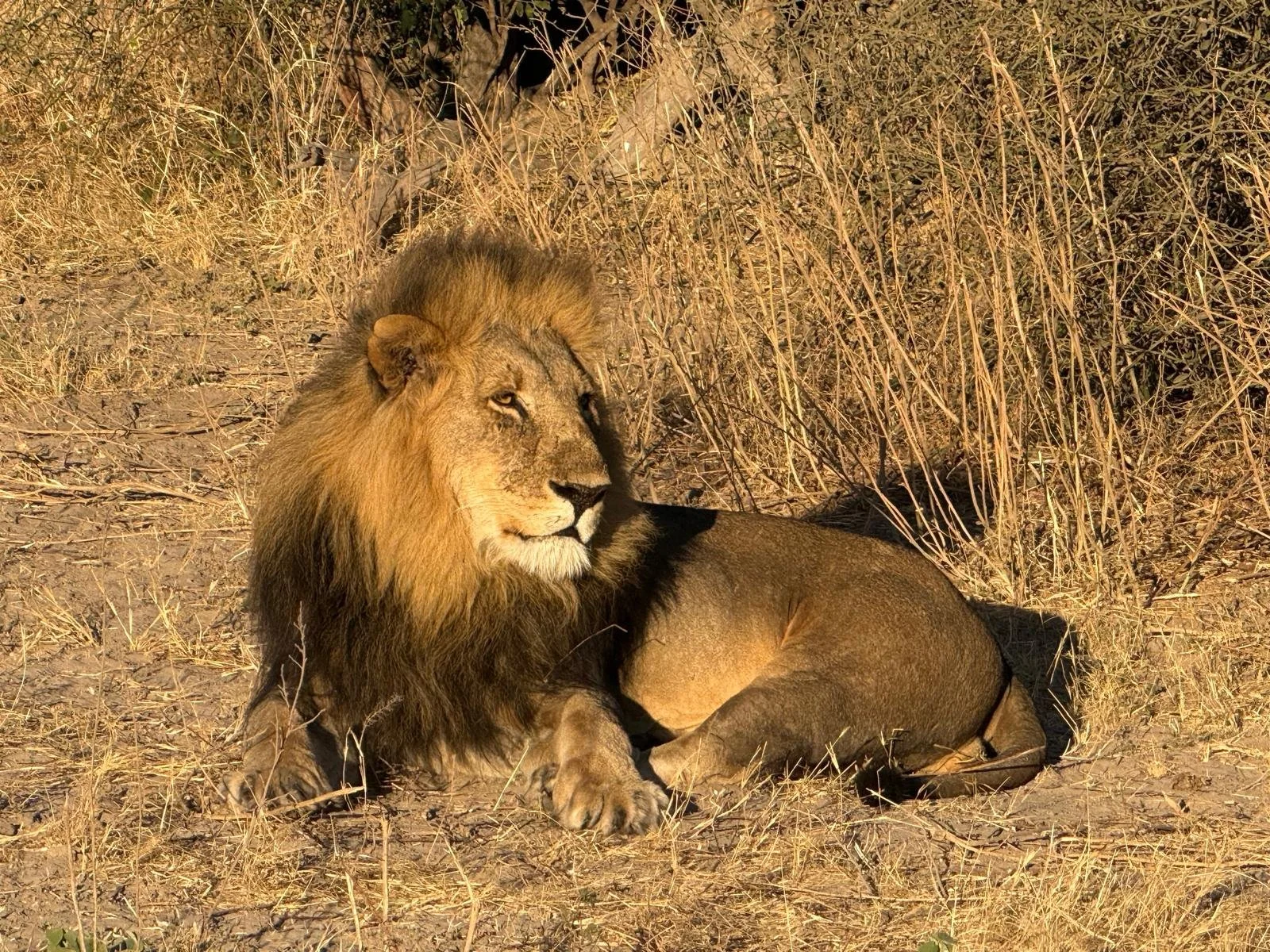
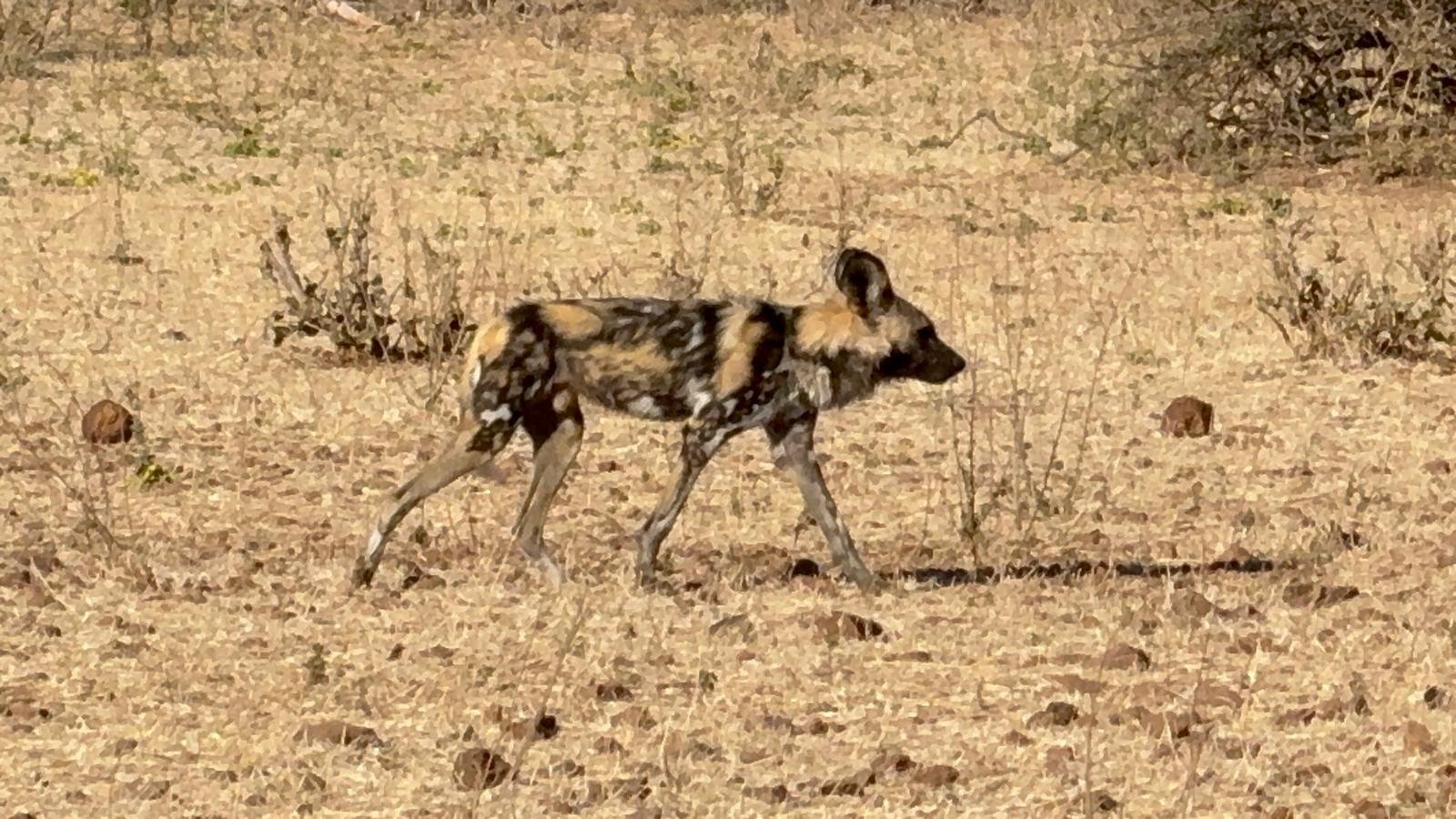
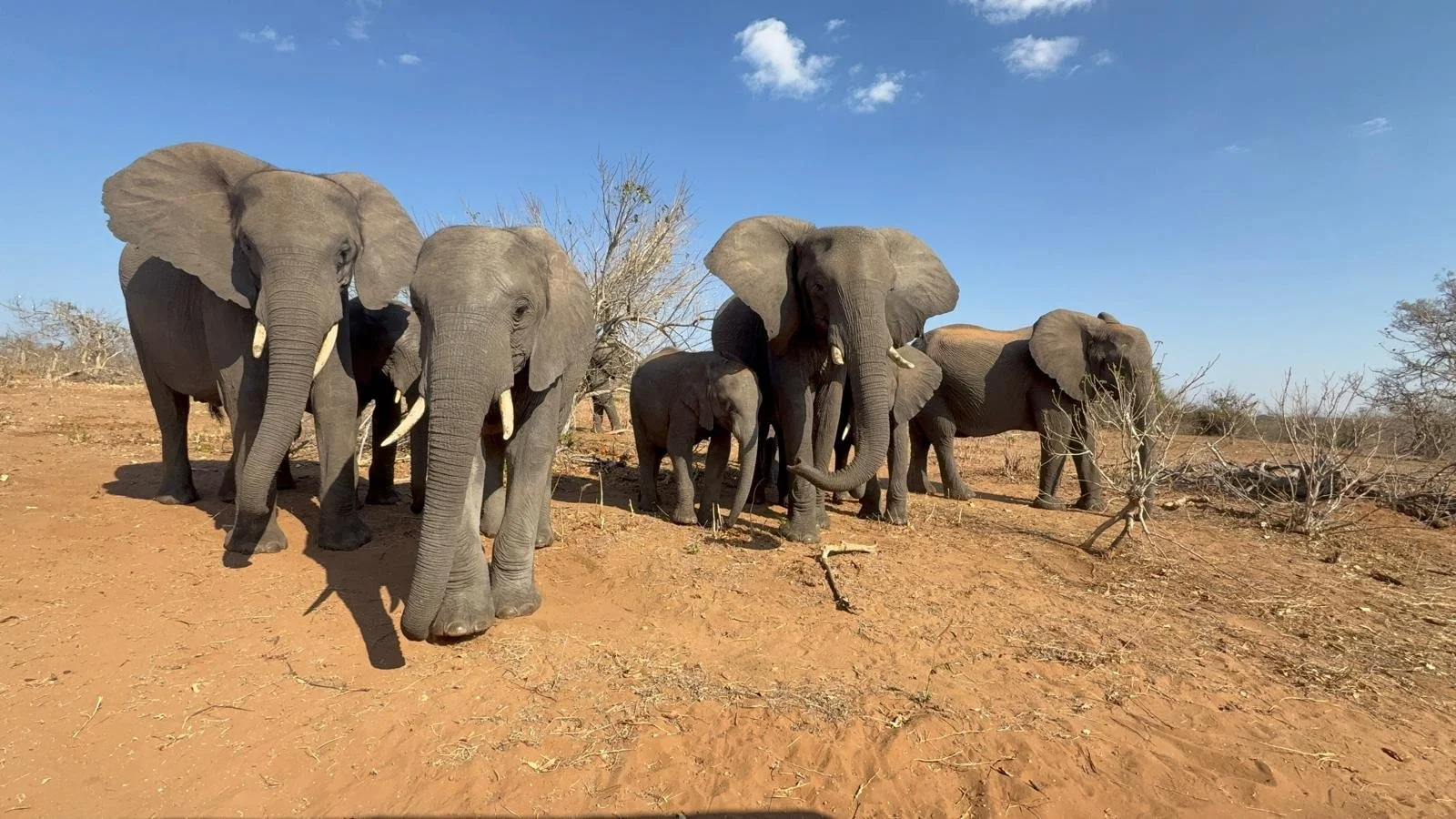
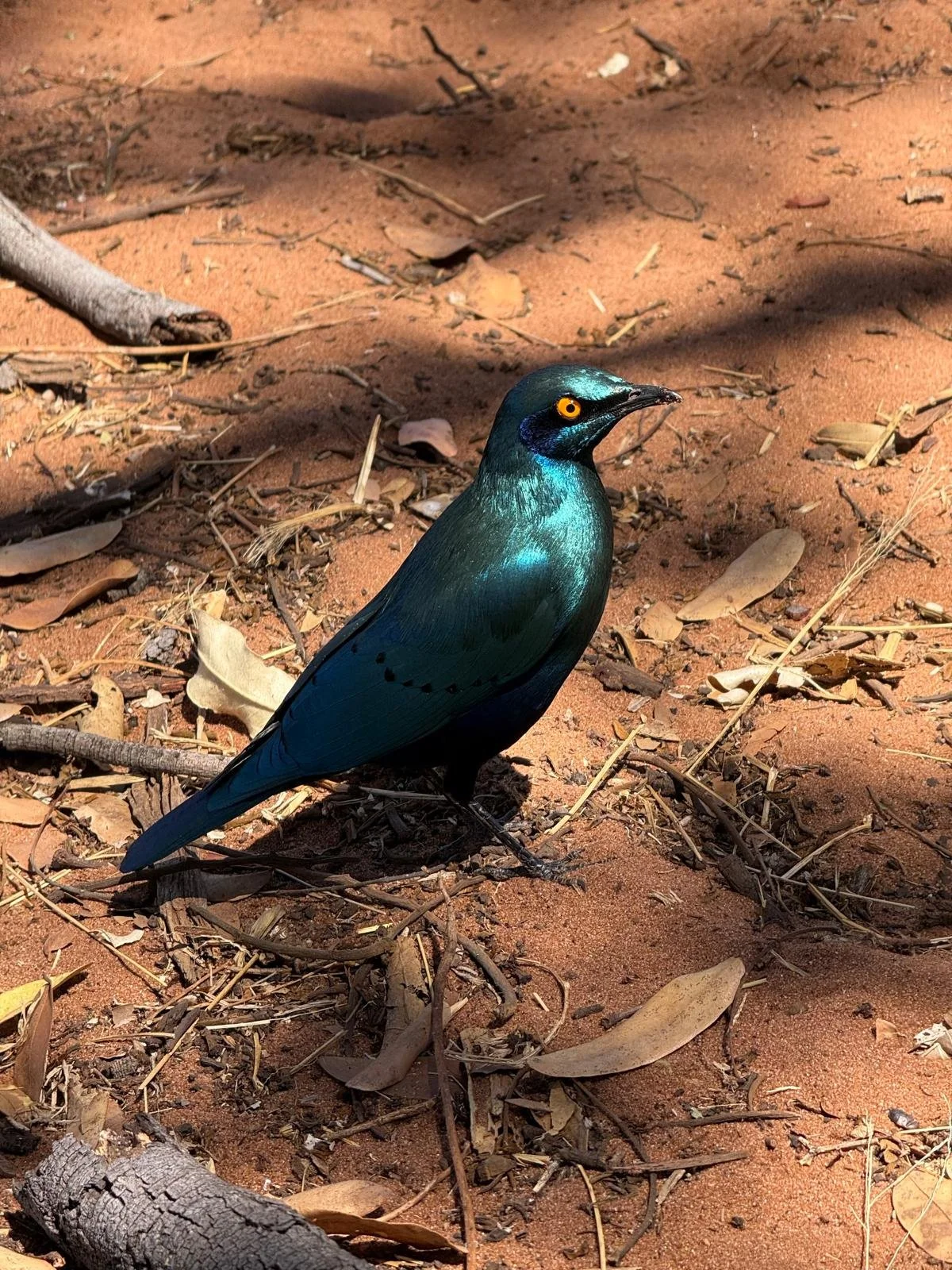
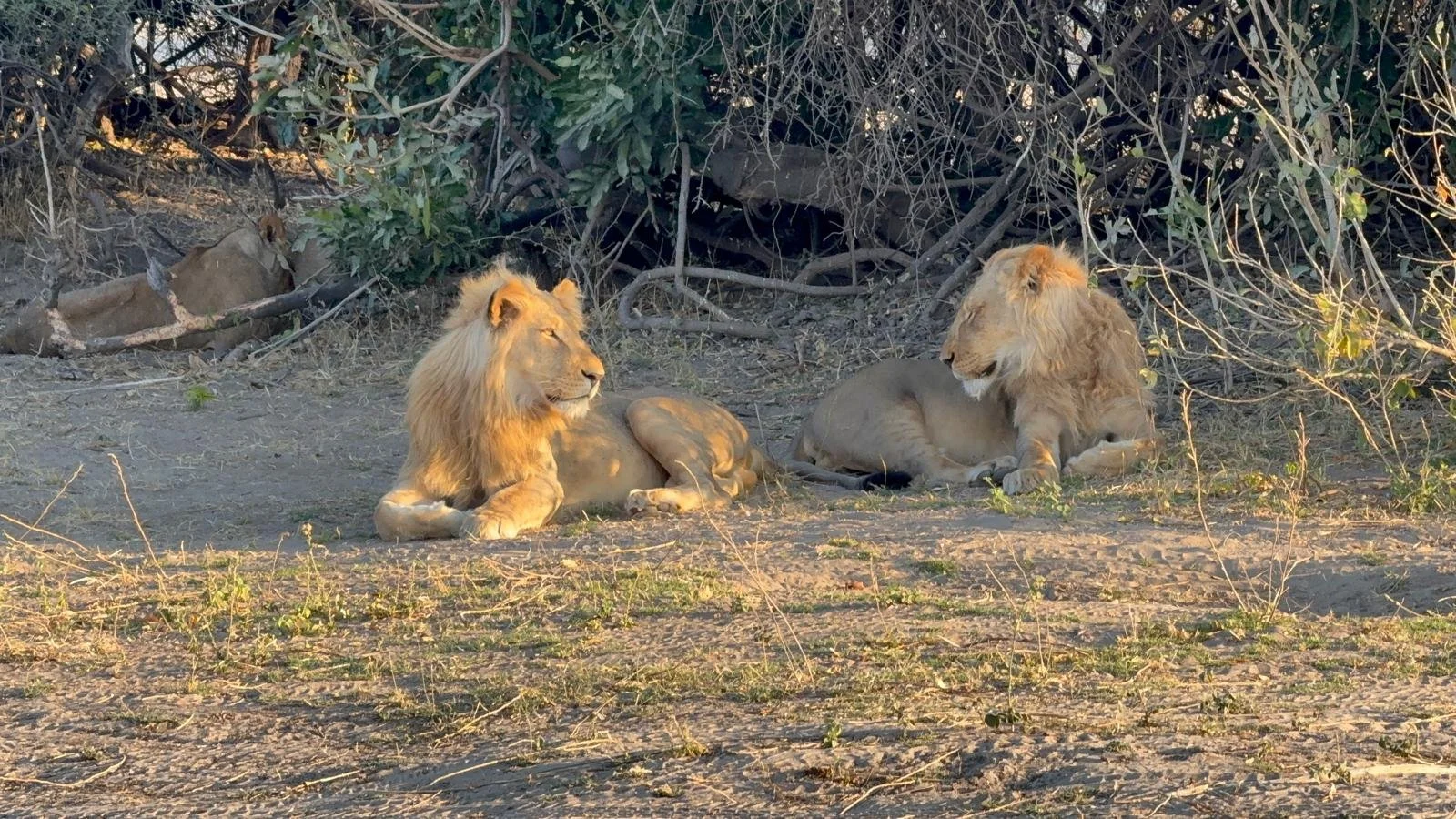
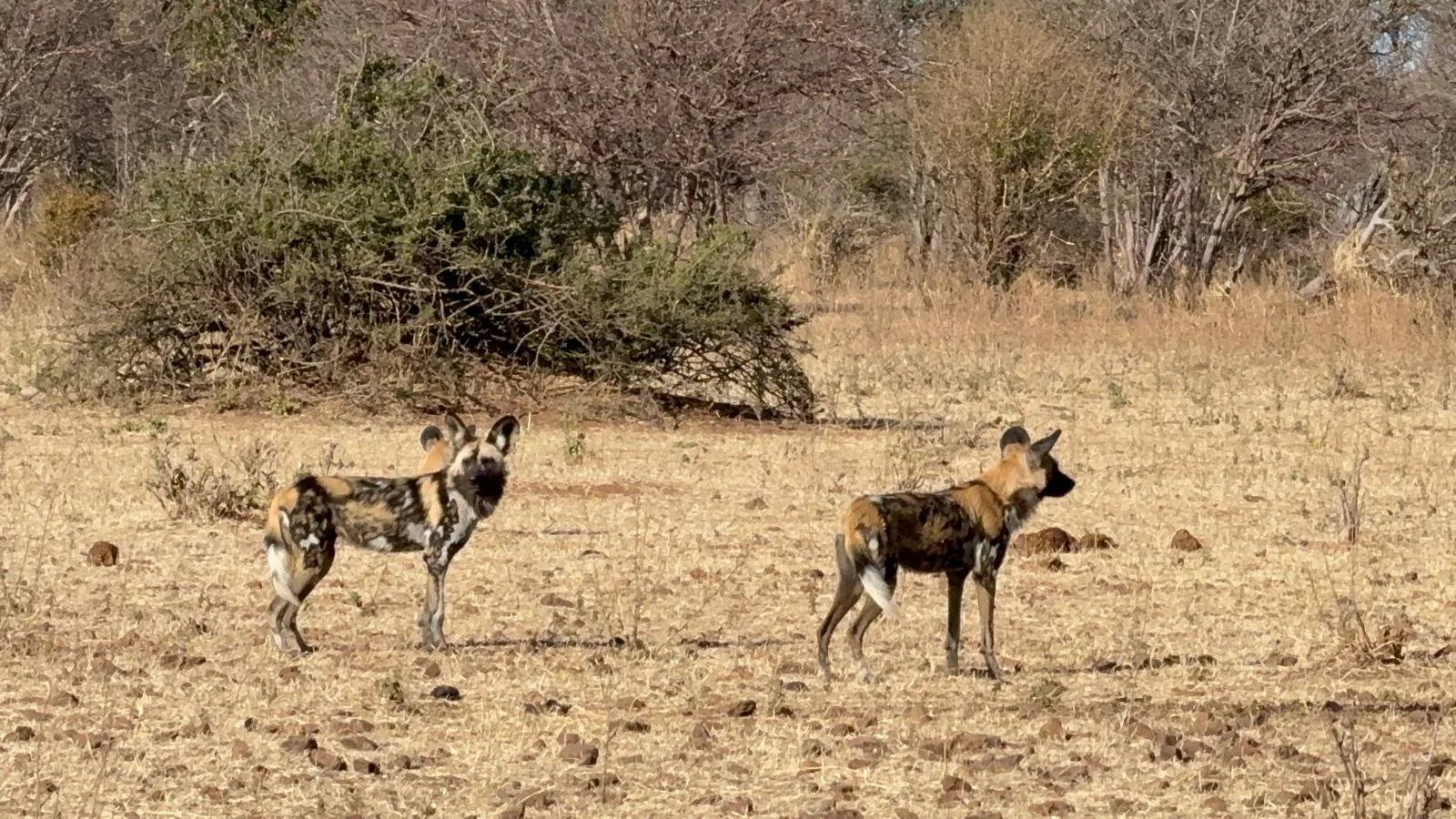
You slow down, wait and pay attention because the landscape is full of things that might reveal themselves if you give them long enough. Wildlife does not arrange itself neatly according to the timetable, and there is something rather enjoyable about spending several hours accepting that you are not in charge of what happens next. Among everything we saw were African wild dogs, an extremely rare sighting and one of those moments when you realise quite how fortunate you are simply to be in the right place at the right time.
Then, when the light disappeared, the experience changed again.
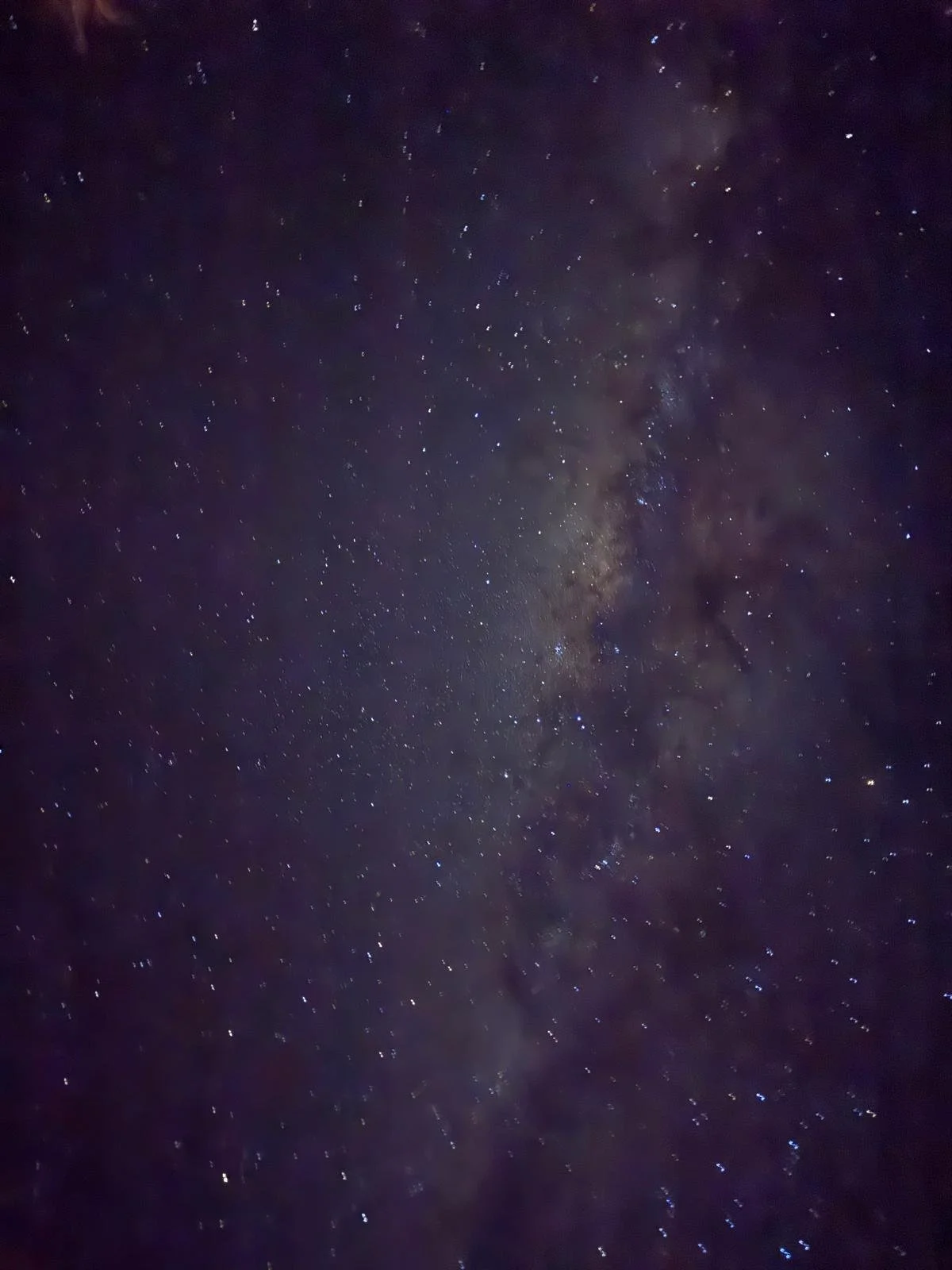
We camped beneath a sky so dark and clear that the Milky Way stretched visibly above us. With almost no artificial light competing with it, the night seemed impossibly large, the sort of sky that makes you understand why people have spent thousands of years staring upwards and trying to make sense of it.
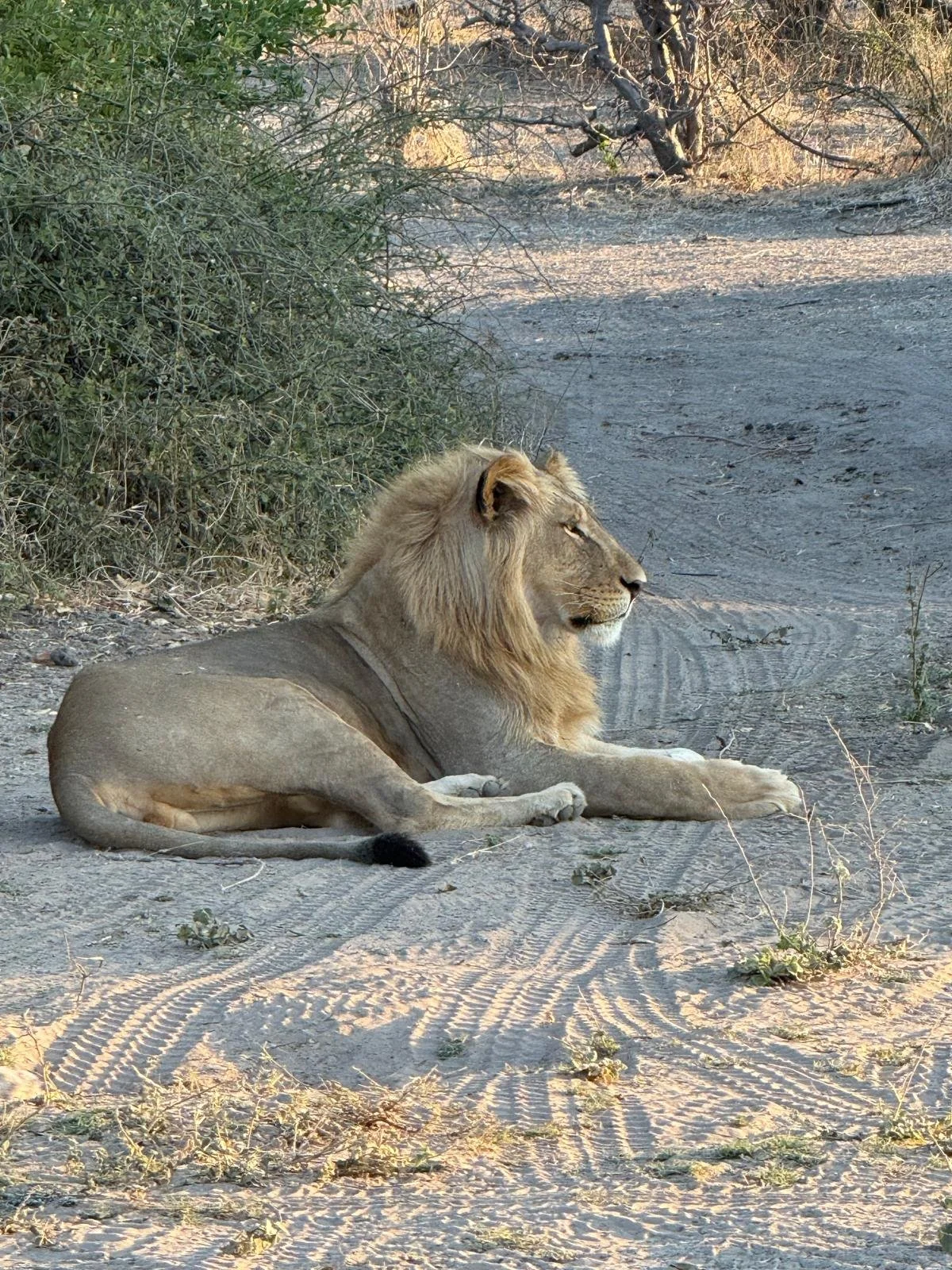
And somewhere beyond the camp, lions were roaring.
It is difficult to describe lying in a tent, surrounded by darkness, listening to that sound carrying through the night. You know perfectly well that there are sensible arrangements between you and anything with sufficiently large teeth, but the primitive part of your brain remains extremely interested in the fact that there is a lion out there.
After weeks in which so much of my attention has been directed towards tasks, schedules and making myself useful, there was a different kind of satisfaction in simply watching and listening.
No forms to complete.
No blood pressure to record.
No sandwiches requiring assembly.
Just the extraordinary privilege of being somewhere beautiful, beneath the Milky Way, with lions somewhere in the darkness, and allowing that, for a while, to be enough.
These weekends have also reminded me that there is no contradiction between taking the work seriously and enjoying being here.
The projects matter enormously. The people I have met through them will probably define much of how I remember this trip. But appreciating Zambia does not require me to spend every waking moment solemnly contemplating the challenges faced by the communities around me.
In fact, doing that would create another distortion.
It would turn the country into nothing more than the difficulties I came here to help with, when everything I have learned over the past few weeks has told me that Zambia is far more complicated, ordinary and interesting than that.
There is work here.
There is poverty here.
There are stretched services and needs that deserve serious attention.
There are also villages to explore, skies to admire, horses to ride, waterfalls to fly over, wildlife to watch, weekends away, the occasional opportunity to climb into an implausibly small aircraft and, of course, Fritter.
All of those things can be true at once.
Perhaps that is what these weekends have added to the trip. They have widened the frame.
During the week, my world can become very small in the best possible way. There is a patient in front of me, a child working through a word, a bag that needs packing or a task that needs completing.
At the weekend, the horizon opens again.
I remember where I am.
I came here because I wanted to contribute something useful.
I am very glad I also remembered to spend time off duty.