A letter to a young man
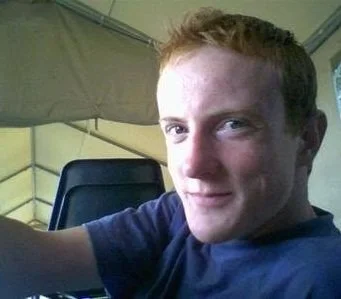
On Tuesday, the 1st of August 2006, at half past three in the afternoon, I was twenty years old, and had just been diagnosed with HIV.
Today, exactly twenty years later, I have been living with HIV for half my life.
Over the years I've often found myself wondering what I would say if I were ever given the chance to write to that frightened young man. Not because I imagine it would change what happened. It can't. I hope it would simply offer some reassurance and make him feel a little less alone.
This is a letter from the man who has lived with HIV for twenty years to the young man who has lived with it for twenty minutes.
Dear Steve,
Right now you're sitting in a small clinic room, staring at someone you've only just met, trying to understand words that don't yet seem capable of making sense in a world that no longer looks the way it did when you woke up this morning.
People are talking to you about medication, blood tests and hospital appointments, but you're barely hearing any of it because your mind has become trapped by a single question.
What happens next?
I've had twenty years to think about the answer.
The first thing I want to tell you is something that won't make much sense until you reach my age.
You're so much younger than you realise.
I know that sounds absurd because, at twenty, you feel like an adult. Legally you are one. But when I look back now, I don't see someone who should have had all the answers. I see someone who was still trying to work out who he was, trying to find his place in the world and making the best decisions he could with the information he had.
For years you'll judge that young man with the knowledge and experience you'll gain over the next twenty years. It isn't a fair trial.
You will spend a long time looking backwards. You'll replay conversations in your head, wondering whether you missed something, whether you should have asked different questions. They are understandable thoughts, but they're impossible ones too. They have no answers, and they will ask more of you than they deserve.
The years ahead will teach you many things. Among the hardest lessons are two acts of forgiveness.
The first is Michael.
Right now, even hearing his name hurts.
For a very long time you'll want to understand why he did what he did. You'll replay every memory and every unanswered question, wondering why he did what he did and whether one different decision might have spared you all of this.
You'll imagine that, if you could somehow understand his reasons, everything else might finally make sense.
It won't.
Whether he was ashamed, selfish or something else entirely doesn't change what happened. The answers, even if you ever found them, would never give you back what you lost.
You will forgive him, eventually.
Not because what happened was acceptable, or because you’ve forgotten it. Not because you suddenly understand why he made the choices he did, and not because the pain somehow disappears with time.
You forgive him because there comes a point when you realise that carrying anger is simply another way of allowing the past to keep deciding how you feel today.
You forgive him because, eventually, you realise that you don't deserve to spend the rest of your life carrying the weight of that anger, of questions that only he could ever answer, and of trying to understand someone else's decisions for the rest of your life.
You don't need to understand what happened in order to accept that it happened.
Some questions belong to the person who made the decisions, not the person who lived with their consequences.
You will forgive him, not because you've solved the mystery, but because understanding and forgiveness turn out to be two entirely different things.
Forgiveness isn't saying he was right.
It's deciding he no longer gets to occupy space in your heart.
The second act of forgiveness, you will find much harder.
You must also forgive yourself.
You'll blame yourself for things that were never yours to carry. You'll convince yourself that you should have seen what couldn't be seen and known what couldn't have been known. You'll expect twenty-year-old Steve to possess the wisdom of forty-year-old Steve, and you'll spend years punishing him for falling short.
None of that will change what happened.
You need to forgive yourself, not because you've done everything perfectly. None of us can say that. But because you've carried enough guilt for one lifetime, and most of it was never yours in the first place.
You made the decisions you made with the knowledge you had at the time.
You cannot ask more of yourself than that.
One day you'll stop torturing yourself, and when that day comes you'll feel lighter than you have in years.
There is something else I want you to know.
One day you'll find yourself returning to a very simple idea.
At the end of a long day, no matter what's happened, you still need to be able to look yourself in the eye.
It sounds obvious, but it will become the measure against which you quietly judge your own life. There will be days when that isn't easy. You'll make mistakes, just as everyone does. You'll hurt people without intending to, and sometimes you'll be hurt by people you trusted. People will disappoint you. Sometimes you'll disappoint yourself.
When that happens, come back to this.
Live in a way that allows you to meet your own gaze. It won't answer every difficult question, but it will help you recognise yourself when life becomes confusing.
I know that today it feels as though this diagnosis has become the defining fact of your life. The point where it has split into a before and an after.
It won't stay that way. It will always be part of your story, but gradually it becomes just that: a part.
I won't pretend the years ahead are easy, because they aren't.
There will be days when HIV occupies your thoughts from the moment you wake until the moment you fall asleep. There will be days when you're angry, days when you're frightened and days when you'll feel desperately alone. There will be relationships that don't survive, moments when you'll question your own worth and nights when you'll lie awake wondering whether you'll ever stop carrying the weight of this diagnosis around with you.
There will also come a time when you'll realise you've gone days, then weeks, without thinking about it at all. You won't notice when that change happens. You'll only notice, looking back, that somehow, you quietly carried on.
Perhaps most importantly, you'll discover that the worst thing that ever happened to you does not have to become the thing that defines you.
And then, quietly, almost without noticing, you begin to live again.
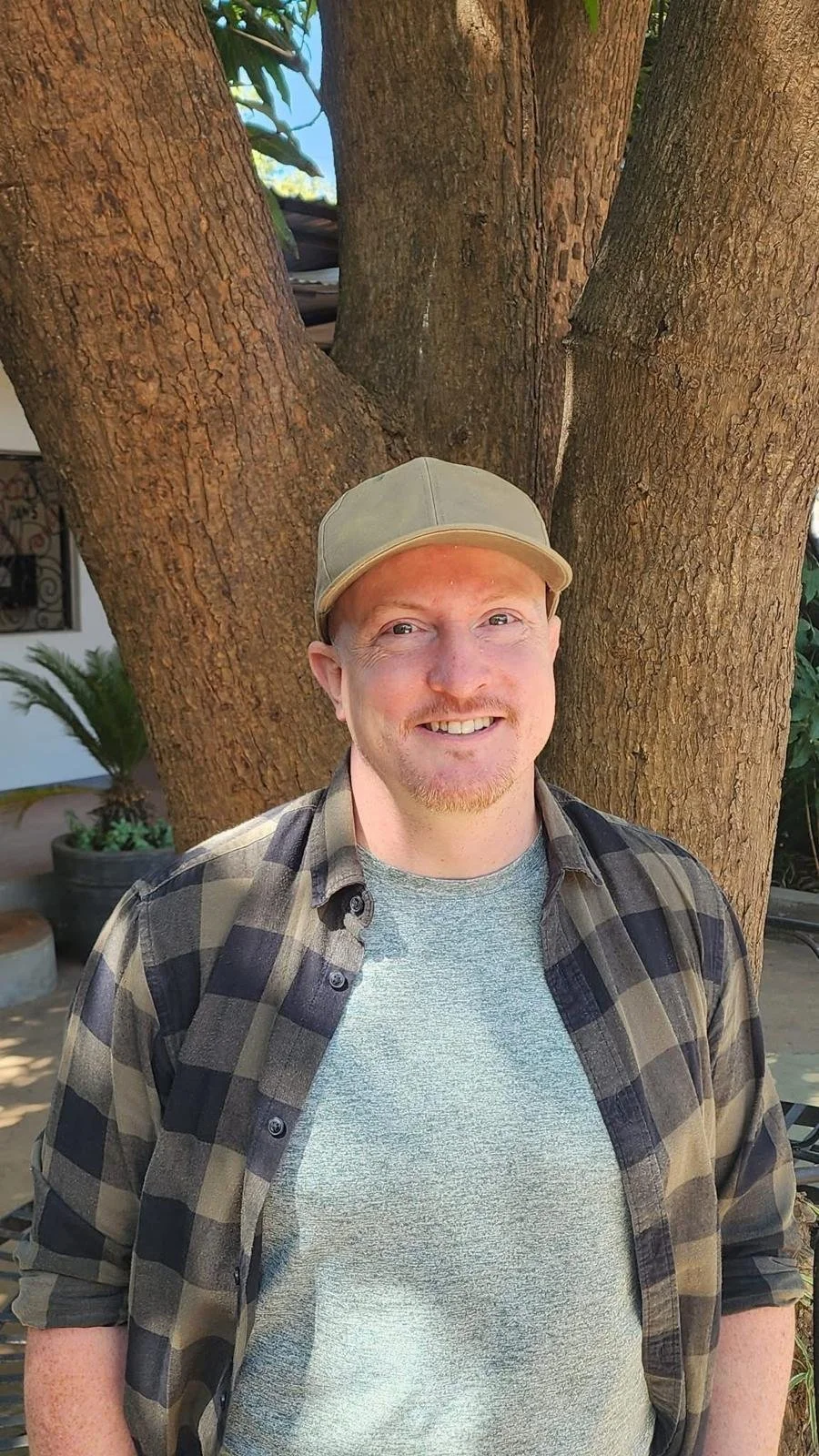
As I write this, you have nearly completed a law degree. You'll make extraordinary friendships that sustain you, even when life becomes difficult. You'll laugh far more than you think you ever will again. You'll build a career you'll be proud of. You'll find purpose in helping other people. You'll discover reserves of resilience that neither of us can yet imagine. You'll find yourself standing in places that twenty-year-old you could never have imagined, doing work that matters to you and meeting people whose lives become woven into your own.
And one day, twenty years after this moment, you'll be packing your bags to go and work in southern Africa for the second time, not because you have to, but because you want to give something back. You'll spend time volunteering in communities affected by HIV, not out of obligation or guilt, but out of gratitude. Somewhere along the way you'll realise that the question was never, "Why did this happen to me?" but, "How can I use this experience to help others?"
You still won't have all the answers. You'll still worry too much. You'll still overthink things. You'll still occasionally wonder what might have been.
But you won't spend your twentieth anniversary hiding from it.
You'll spend it writing this letter instead.
There is one final thing I want to leave you with.
Right now, you think you've lost your future.
You haven't.
Nothing that happens in that clinic room today gets the final word on your life.
It won't look the way you imagined when you walked into that clinic this morning, and some losses will always remain losses. I won't insult either of us by pretending otherwise.
But your future is still there.
So when you ask, as I know you will, "What happens next?", here is the answer.
There will be life.
Not the life you expected.
But a good one.
So, if I can ask one thing of you, it is this.
Be kinder to yourself than you are about to be.
One day you'll realise that the frightened young man sitting in that clinic room, who thought he had somehow failed before life had really begun, deserved far more compassion than he ever allowed himself. At least as much as he so freely offered everyone else.
One day, this diagnosis will stop being the first thing you think about when you wake up.
It won't disappear. It will become part of who you are. There will always be hospital appointments, medication and anniversaries, like today, that invite reflection. But it will no longer define every decision, every ambition or every hope. Instead, it will become one thread in a much larger story; important, certainly, but no longer the whole tapestry.
Every day afterwards, through the choices you make, the people you love, the work you do and the kindness you show, you reclaim another small piece of your future until, one day, you realise that it was yours all along.
Most of all, you discover that your life is not measured by the worst thing that ever happened to you, but by what you chose to do afterwards.
It has taken me twenty years to learn that.
I hope it takes you a little less.
With love,
Steve
1 August 2026