
When Numbers Become Things
For several months before coming to Zambia, I watched a number on a fundraising page gradually get bigger.
At first it was £50. Then a few hundred. Then £1,000. Eventually it passed the target I had originally set, carried on climbing and, by the time I left home, an extraordinary £2,810 had been donated.
I was enormously grateful for it, obviously, but there is something inherently abstract about fundraising. Money arrives in increments on a screen, accompanied by names, messages and little notifications. You know that £2,810 is a lot of money, particularly here, and you know that it can do something useful, but until you are standing in the place where it will actually be spent, it remains difficult to comprehend what that usefulness looks like.
Now I know.
It looks, in part, like paint.
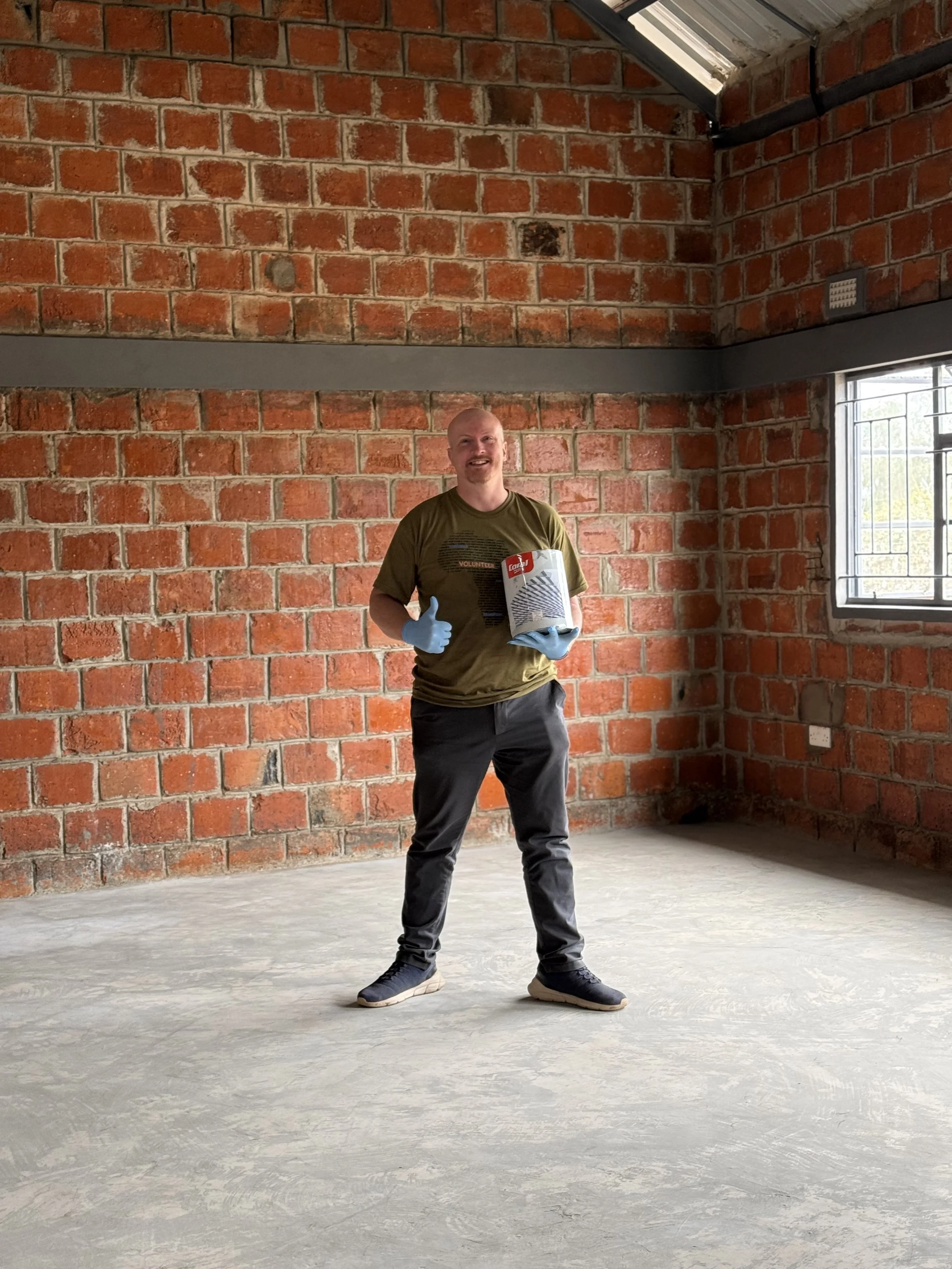
Not the most stirring opening to a tale of international philanthropy, admittedly, but useful things are rarely very glamorous.
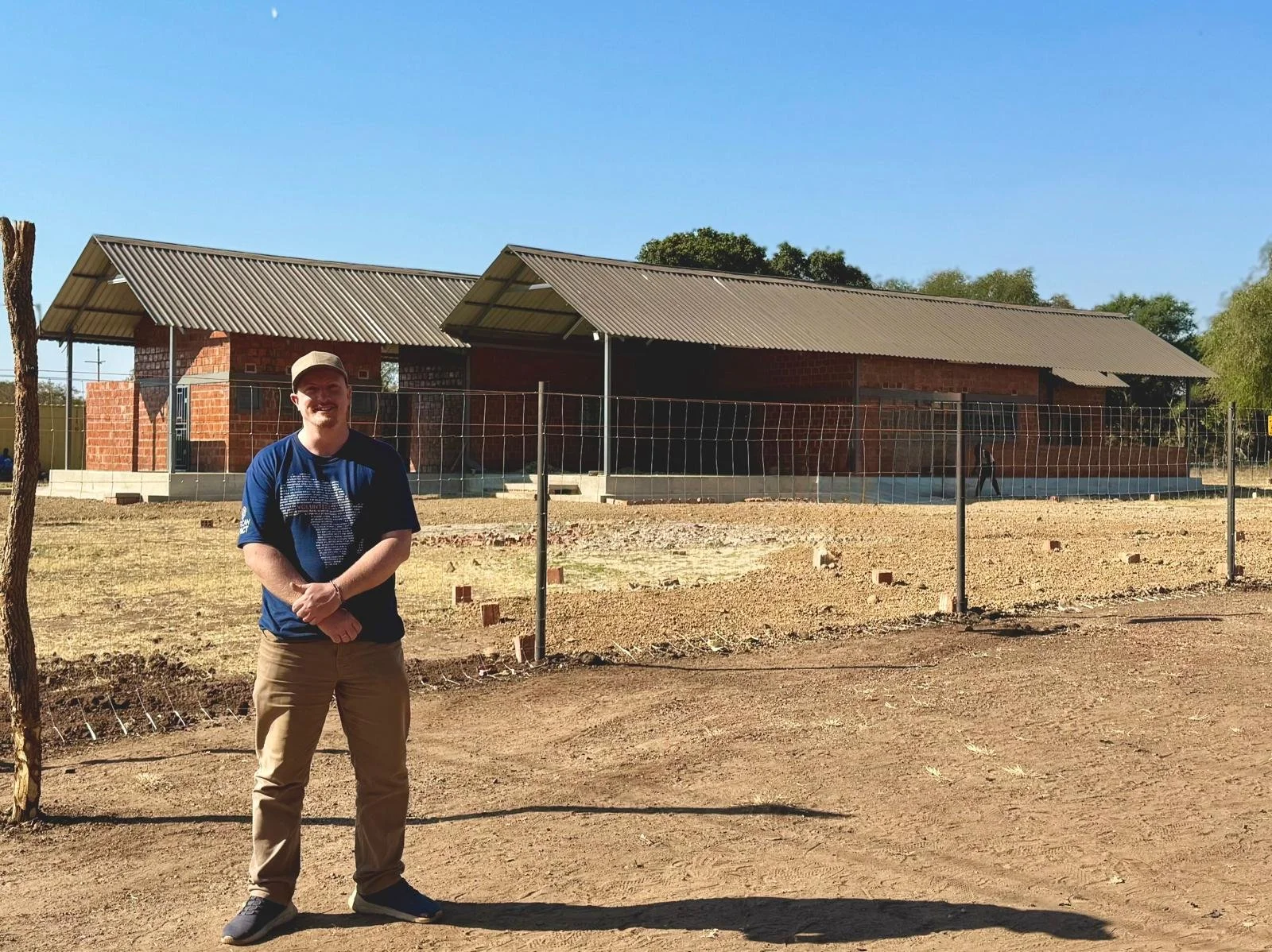
Some of the money raised was allocated to paint, brushes and rollers for the Youth Community Centre, but over the past week that paint has become something much bigger.
Until that money was transferred, the building was already there, but it was sitting empty and unfinished. The structure existed, the intention existed and the plans for how it could be used were already taking shape, but there was still a gap between having a building and having a functioning community centre.
Your donations have closed that gap.
Last Wednesday afternoon, and again on Friday, we headed to the centre and got to work. Floors were painted, jobs were ticked off and a building that had been waiting to become useful suddenly began to look like a place ready to be used. Since then, things have accelerated enormously. The football, netball and basketball courts you paid for are being laid this week, work is continuing on planting the orchard and vegetable garden you paid for, to turn the ground around it into something productive, and by next week the centre should be ready to open its doors.
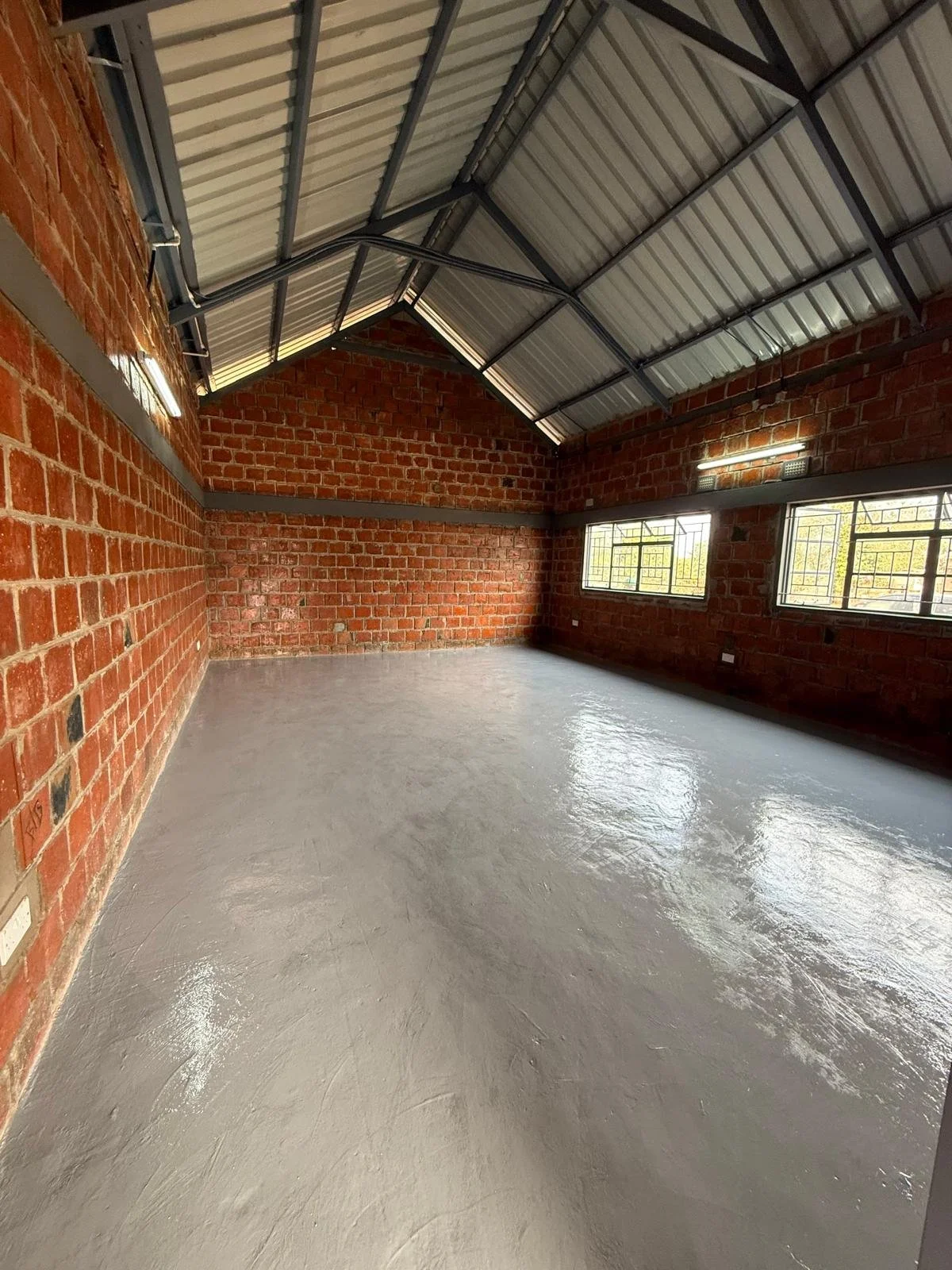
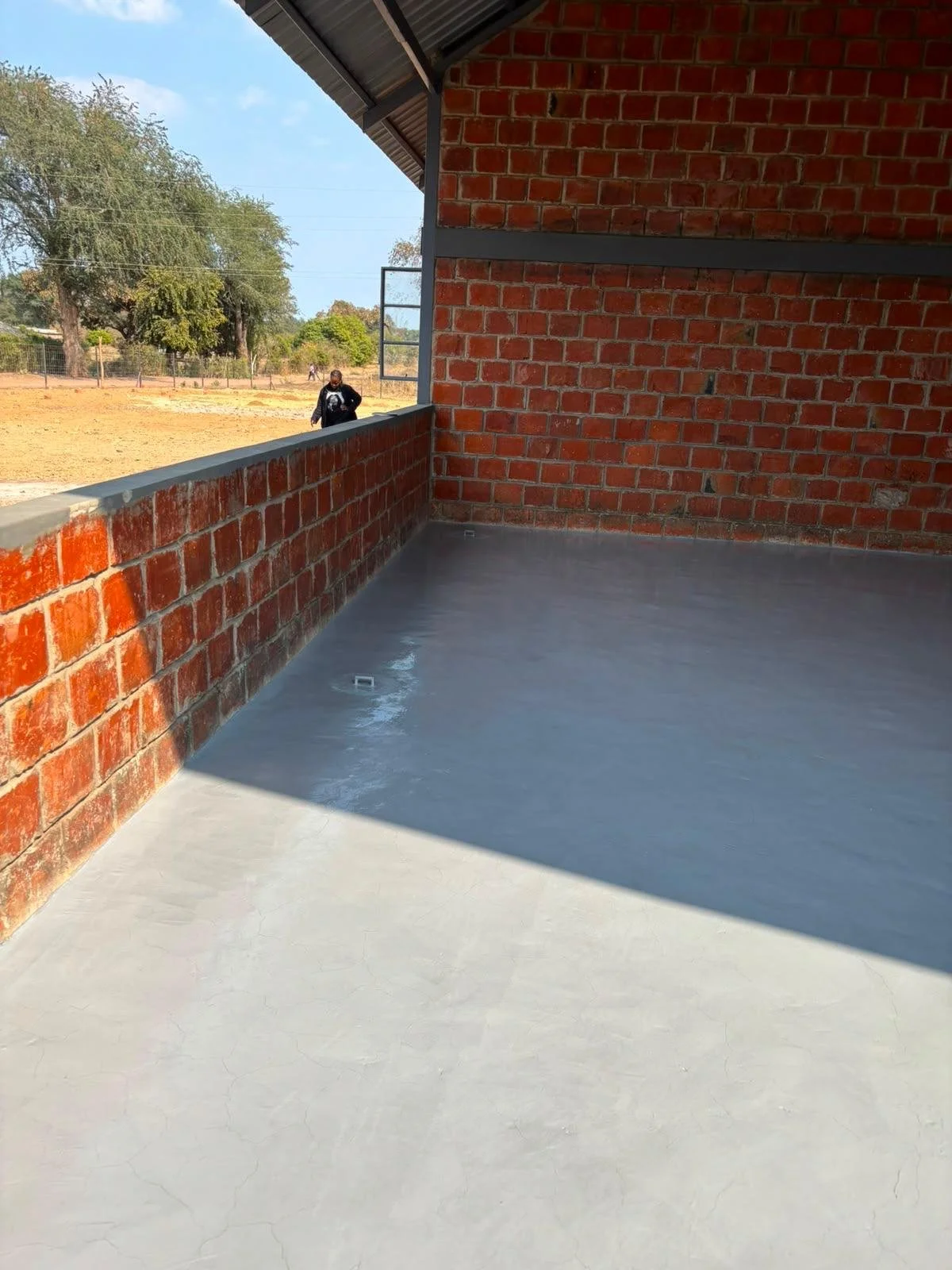
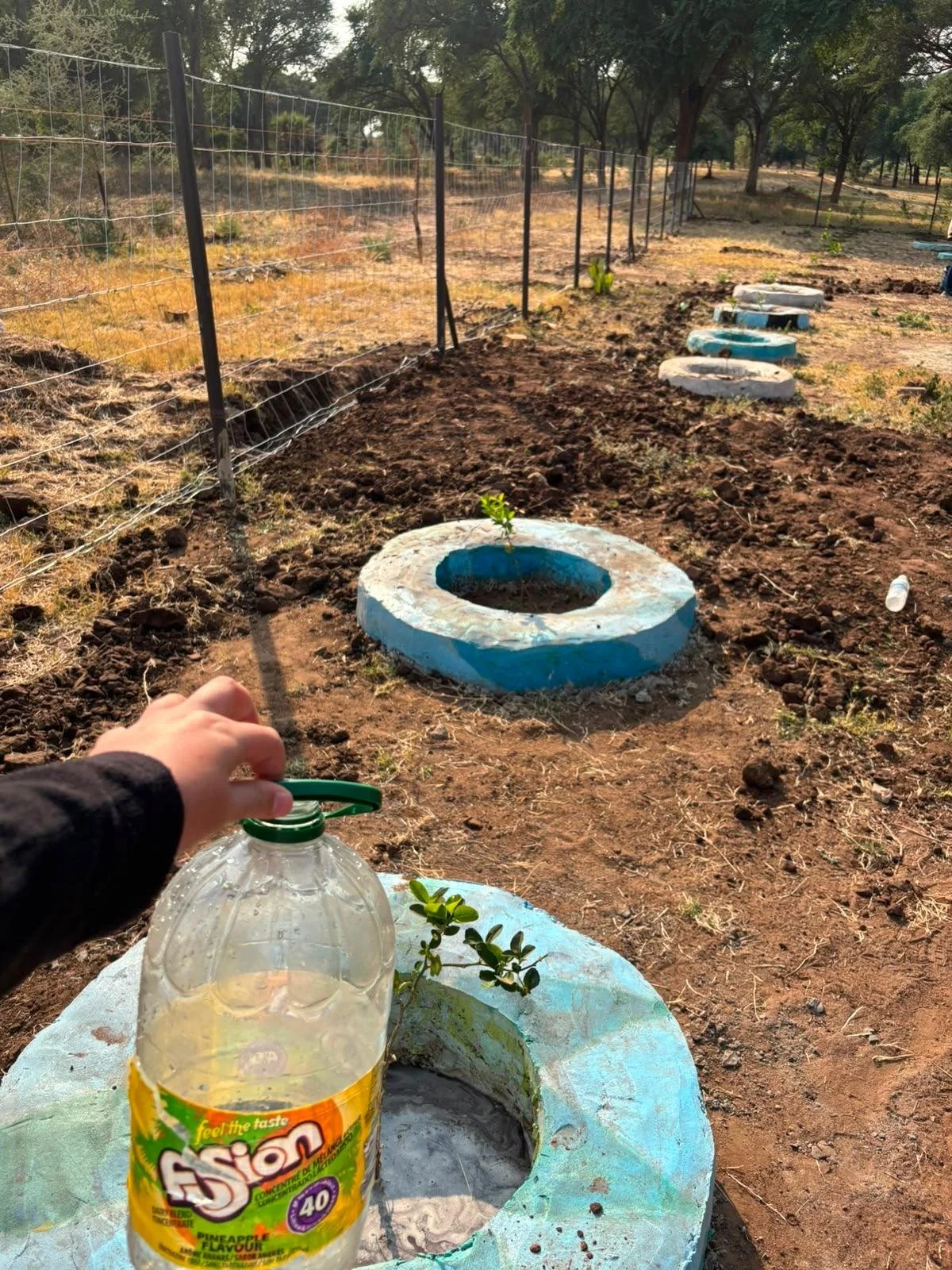
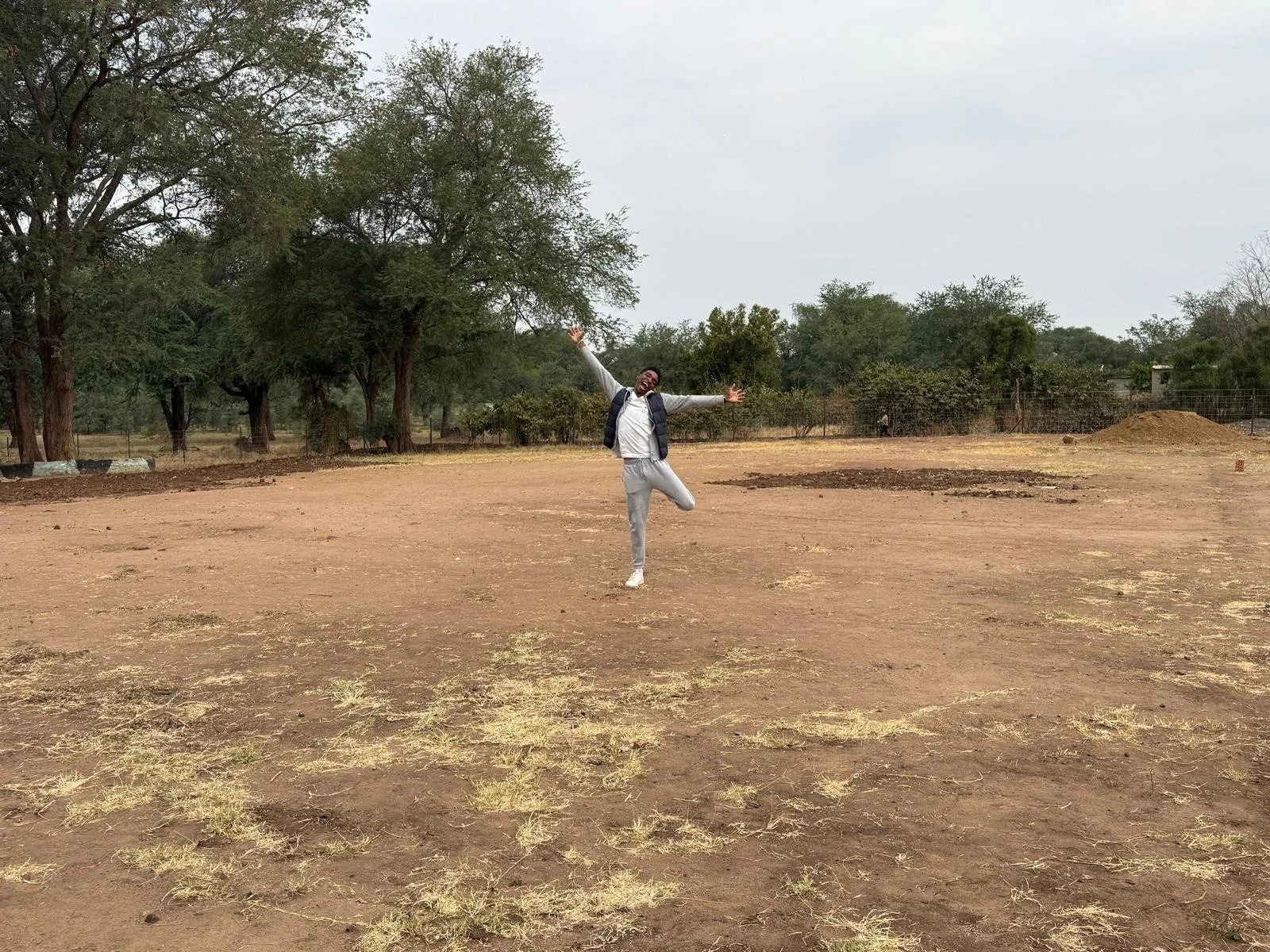
You helped to make that happen.
What started as money for paint, tools, seeds, fencing, electricity and water has helped turn an empty, unfinished building into a place where things can actually happen.
Your donations will also pay the centre's caretaker for an entire year.
On a budget, that appears as another running cost, somewhere alongside electricity, water and maintenance. In reality, it means there will be somebody there every day to look after the building, keep the grounds secure and help make sure that everything being created now can continue to be used long after the volunteers who painted the floors have gone home.
It also means a year's income for a man supporting his wife and three children, the youngest of whom is just two weeks old.
That feels important to me. The donations have not only helped finish a building. They are helping make it sustainable, creating the conditions in which the centre can stay open, remain cared for and become a permanent part of the community around it.
The building will give us a permanent base for some of our work with local schools, but its purpose reaches much further than that. It will also be used by Girl Impact and the Women’s Group, giving women from the community a safe place to meet, talk openly about the issues affecting their lives, learn new skills and support one another.
Just as importantly, it will provide something much more practical. Women taking part in the programme are being supported to develop small businesses of their own, and the centre will give them somewhere to work and to store their equipment and products as those businesses begin to grow. In that sense, a tin of paint becomes rather more than a tin of paint. It becomes part of a safe meeting place, a classroom, a workspace, a fledgling business and, potentially, an income that helps support a family and circulates within the wider community.
That is what it means when the numbers become things.
Another part of the money raised will support a Gender Equality programme, including menstrual hygiene materials and a feeding programme.
Individually, none of these things makes for the sort of photograph traditionally associated with charitable giving. There is no enormous ceremonial cheque and no single dramatic intervention that changes everything overnight. Instead, there is a collection of practical things that, taken together, help a community centre become more useful to the people it exists to serve.
And I think there is something rather wonderful about that.
Because one of the things I am learning here is that making a difference often looks much more ordinary than we imagine it will.
Sometimes it is paint.
Sometimes it is a packet of seeds.
Sometimes it is paying the electricity bill.
And sometimes it is a small electronic box that tells you how much glucose there is in someone's blood.
During one of our days providing home-based care, we visited people living with diabetes who need regular blood-glucose monitoring. Managing diabetes is difficult enough when you have ready access to healthcare, medication and equipment. It becomes considerably harder when something as basic as a glucose meter is simply beyond your reach.
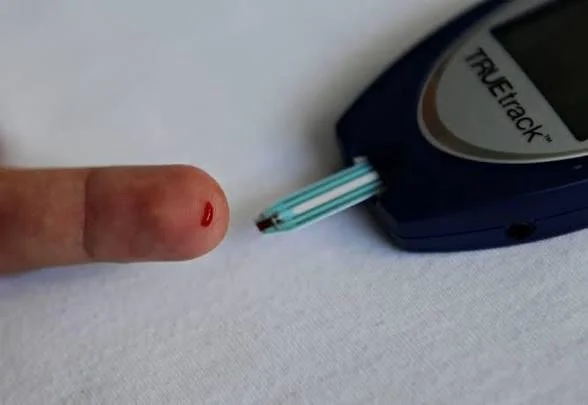
So six of those have now joined the list as well.
That all came to £3,278.88, which is being put directly into the communities and people I've come here to support. The fundraiser raised £2,810, and I covered the difference.
More importantly, it means that every penny people entrusted to me now has a purpose.
Before coming, I knew I wasn't going to transform Zambia in three weeks. Nobody sensible arrives in another country believing that. I wanted to contribute, to learn, to work alongside people already doing this every day and, where possible, to leave something useful behind.
Perhaps that is why I like this list so much.
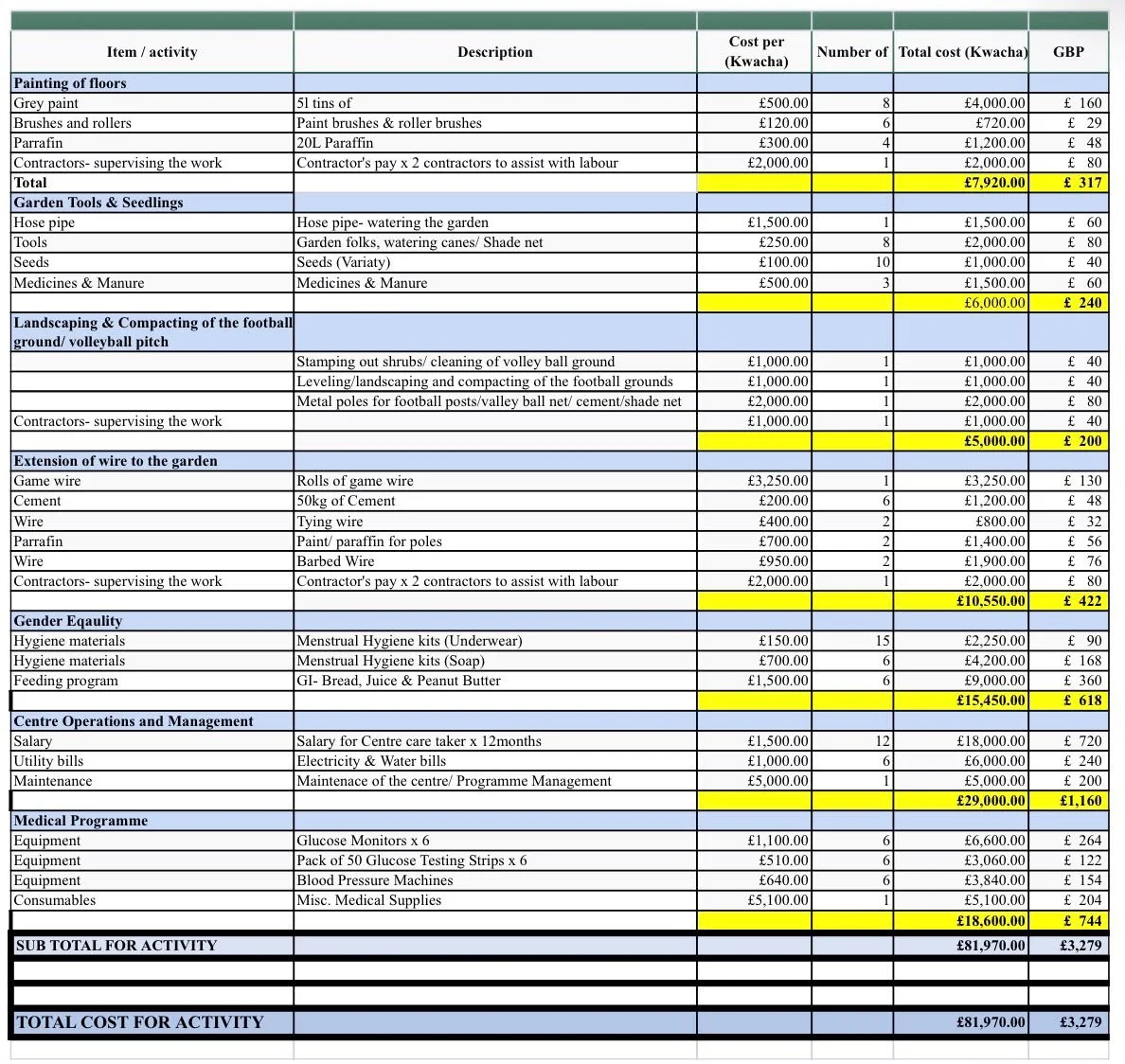
It isn't glamorous. It isn't going to solve every problem faced by the communities I've visited, and it would be dishonest to pretend otherwise. What it will do is make one community centre better equipped to do its work. It will help a garden grow. It will provide practical support to girls and young women. It will help keep the lights and water on. It will pay someone to look after the centre for the next year. It will give people somewhere better to meet, play and learn. And six small machines will help people living with diabetes understand what is happening inside their own bodies.
A few months ago, none of those things existed.
There was just a number on a fundraising page.
Then people gave £10. Someone else gave £20. Someone shared the link. Friends, family, colleagues and people who knew me well, barely knew me, or in some cases had probably simply become exhausted by my relentless posting, added a little more.
Eventually, all those little acts of generosity became £2,810.

And now £2,810 has become things.
Useful things.
I think that's a pretty good return.
But somewhere along the way, I've realised that the £2,810 tells only part of the story of giving.
Because none of the money people donated paid for me to come here.
I paid £2,016 for the three-week volunteering programme. There was another £1,562 for flights, and then all the little expenses involved in preparing to spend three weeks working in another country. Vaccinations. Medication. Equipment. Insurance. Things bought before leaving and things discovered, inevitably, after arriving.
I don't say that because I think it warrants celebration. I chose to come here, and I knew that choice would cost me money.
I mention it because I've been thinking about what we actually mean when we talk about giving.
Sometimes giving means clicking a button on a fundraising page. Sometimes it means giving your time, paying your own way and making yourself useful once you arrive. It can mean carrying a medical backpack along a dusty road, spending an afternoon with children or sitting with somebody while their blood pressure is checked.
And sometimes somebody tells you that an eight-year-old boy needs an operation.
He is an only child. He has broken his collarbone after falling from a tree, and needs surgery to repair it. The operation costs K13,000, roughly £523.52.
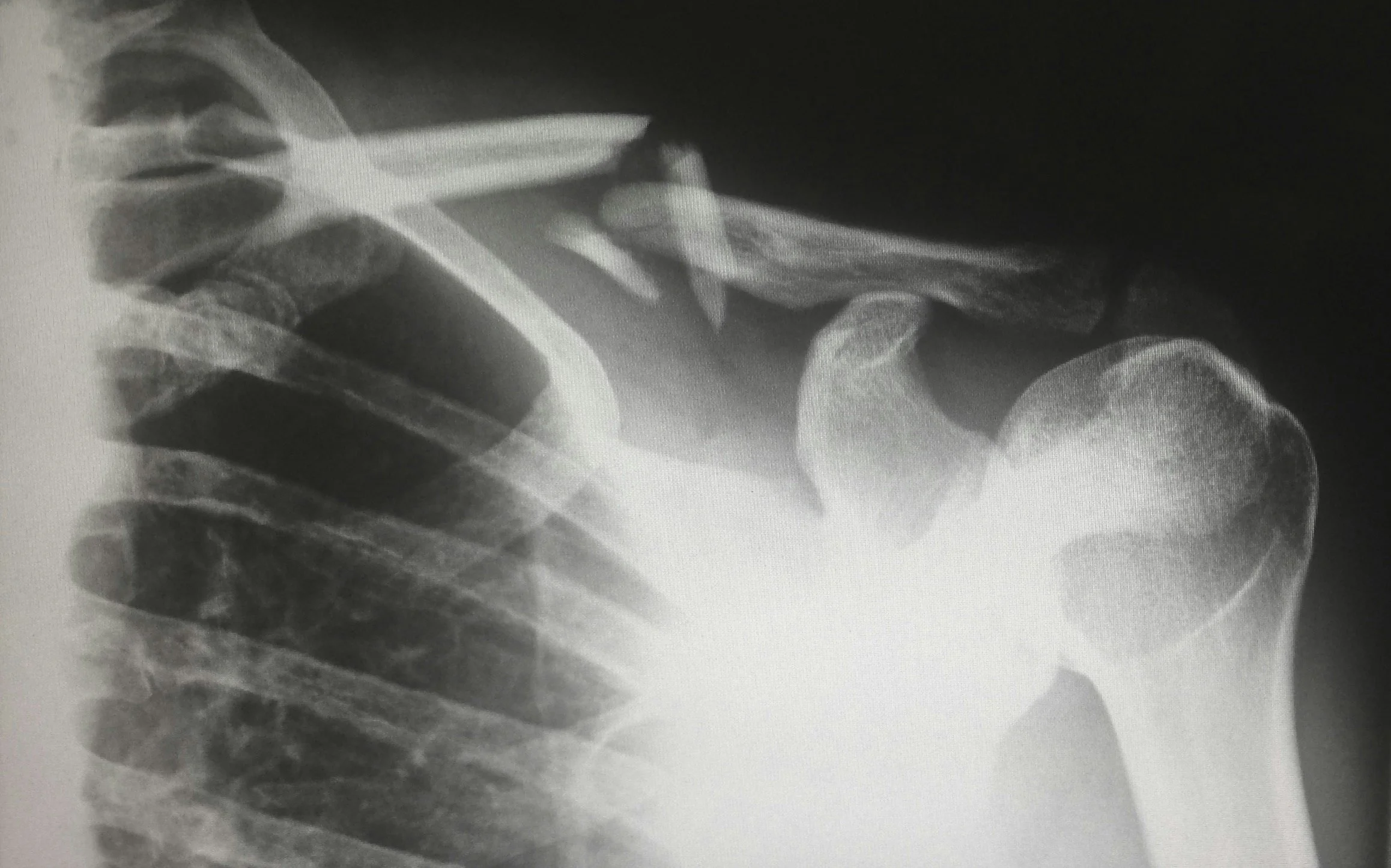
There are moments when you can spend a long time thinking about the enormous inequalities in the world, the complexities of international development and the uncomfortable relationship between money, privilege and opportunity.
And there are moments when the question in front of you is considerably simpler.
Can I afford to help?
I could.
So I paid for his operation.
There is something almost unsettling about reducing something so significant to a number.
K13,000. £523.52.
A sum of money that, depending on where you happen to have been born and the circumstances of your life, can represent an inconvenience, a significant expense, or the difference between receiving an operation and going without one.
I don't think paying it makes me particularly remarkable. If anything, the experience has made me more conscious of how wildly different the meaning of £523 can be, depending entirely on the circumstances into which you happen to have been born.
Nor do I imagine that three weeks of volunteering, a handful of glucose monitors or one operation somehow constitutes changing the world.
It doesn't.
But perhaps I've been thinking about scale in the wrong way.
We talk about making a difference as though the difference has to be enormous before it counts. We want statistics, outcomes and impressive numbers. We want to know how many lives have been transformed.
Yet sitting here in Zambia, the numbers have become much smaller and much more human.
Six glucose monitors.
One community centre.
One operation.
One eight-year-old boy.
And behind all of it, individual acts of generosity from people at home that somehow accumulated into £2,810.
Perhaps that is what I will remember when all of this is over. Not the fundraising total itself, or even the amount I spent getting here, but what happened when those numbers finally stopped being numbers.
The donations became paint, seeds and garden tools. They became food and menstrual hygiene supplies. They became somewhere for young people to meet and play, and they became the ability to measure someone's blood glucose at home.
My own contribution became something else too.
For one eight-year-old boy, it became an operation he needed.
That feels considerably more important than anything I could put on a spreadsheet.