Nobody warned me that Tesco would be weird.
Airports, perhaps. Driving on familiar roads again. Sleeping in my own bed. Even returning to work after three weeks in Zambia carried some expectation that things might feel a little strange.
But Tesco?
Tesco is not supposed to be an experience.

I have spent years wandering around British supermarkets without giving them much thought beyond whether I remembered to bring a bag and why somebody has abandoned their trolley diagonally across an aisle.
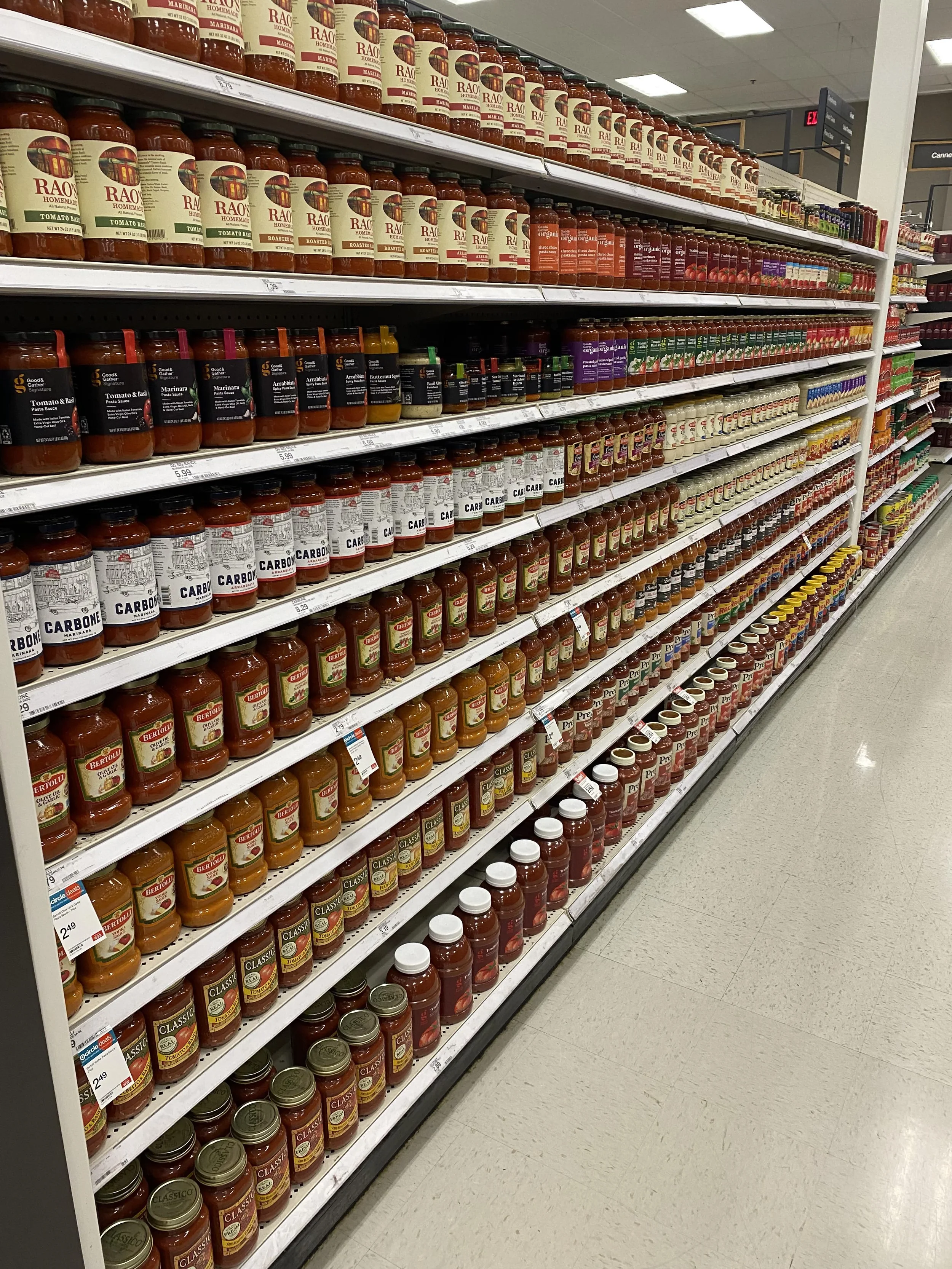
Then I came home from Zambia and found myself confronted by an entire wall of essentially the same thing.
Different brands. Different sizes. Different flavours. Low fat. High protein. Organic. Finest. Everyday. Family-sized. Individually portioned. One version apparently intended for people who enjoy chilli and another, presumably, for those who consider black pepper an unacceptable level of jeopardy.
There was so much choice.
I had always known that, obviously. British supermarkets did not dramatically expand while I was away. Nobody spent August frantically manufacturing seventeen additional varieties of pasta sauce in preparation for my return.
I had simply stopped seeing it.
For three weeks, shopping had been different. Markets and smaller shops. What was available was what was available. Things disappeared from shelves. Electricity disappeared from buildings. Water occasionally disappeared from taps. You adjusted.
Then I came home to a place where I can stand in a brightly lit building at nine o'clock at night and become mildly irritated because they don't have the particular variety of yoghurt I wanted.
It takes surprisingly little time for your expectations to recalibrate.
The supermarket was only the beginning.
Britain seemed quieter than I remembered.
People seemed more contained. We walked past one another without acknowledgement. We sat in cars with the windows closed. We moved purposefully from one thing to another, often staring at phones while doing it.
In Zambia, greetings had become part of the rhythm of the day. You said hello. You asked how somebody was. People acknowledged one another as they passed. It wasn't extraordinary kindness or some profound cultural revelation. It was simply normal there.
Back home, our version of normal suddenly became visible too.
I noticed how rarely strangers spoke to one another. How efficiently we avoided eye contact. How peculiar it felt to walk past somebody without saying good morning.
For approximately forty years, I had considered this perfectly normal British behaviour.
Three weeks away and suddenly we all seemed a little antisocial.
Then, before I had much chance to decide what I thought about any of this, I went to America.
Seattle was not part of the original experiment.
A friend's wedding had been arranged long before Zambia, leaving me with just enough time to come home, empty the suitcase, refill it and head back to the airport.
If Zambia had altered my sense of scale, the United States appeared determined to test the limits of the new settings.
America does not generally approach things apologetically.
Roads are wider. Cars are bigger. Portions arrive with architectural ambitions. Shops contain quantities of things that make a British supermarket look positively restrained.
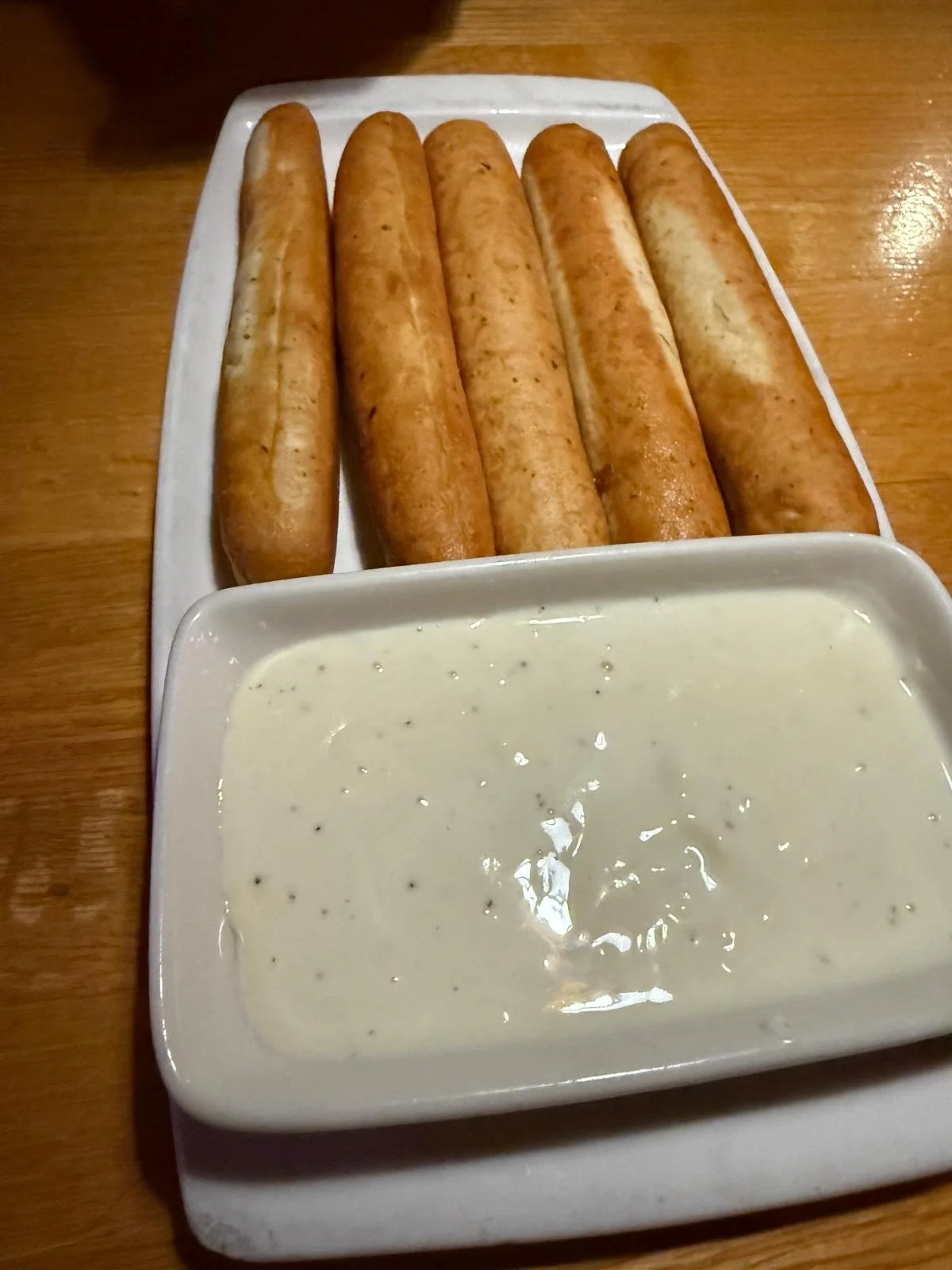
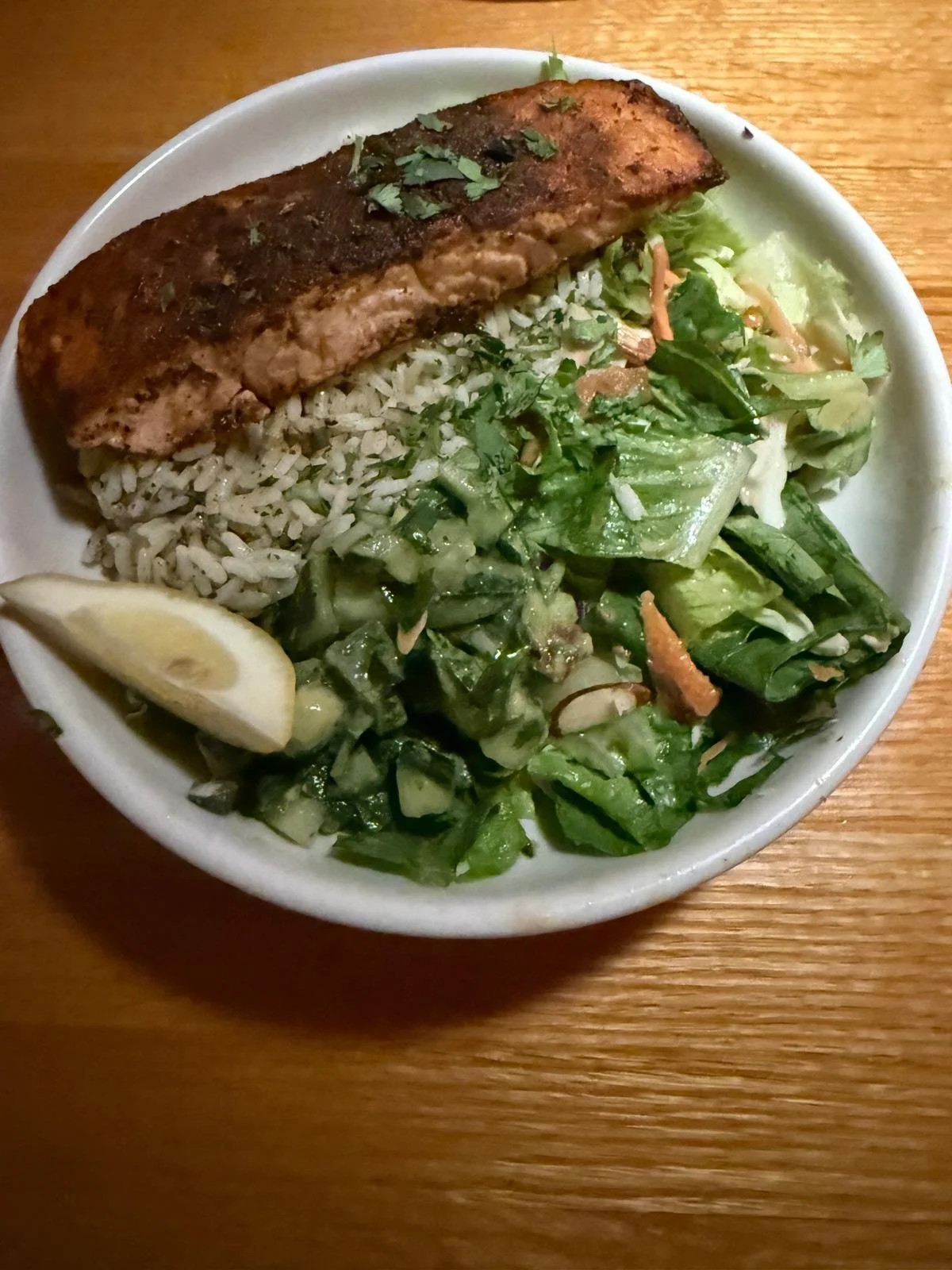
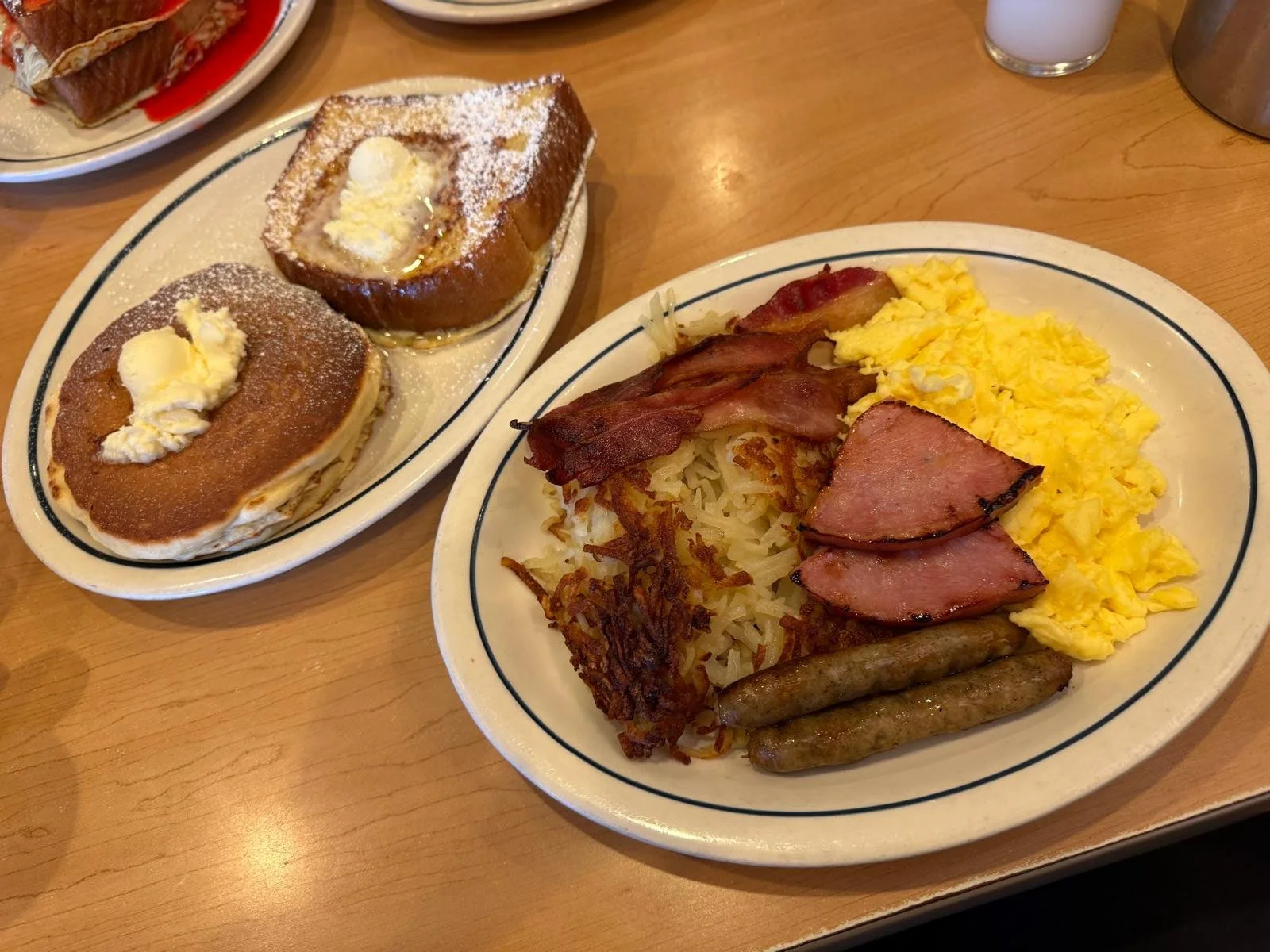
After Zambia, where I had become accustomed to thinking about what was available and what was actually needed, America presented another version of abundance altogether.
And yet, strangely, Seattle also stopped me becoming too smug about Britain.
Because Americans talk to you.
Not everybody, obviously, and Seattle is hardly a representative sample of an entire continent, but there were conversations with strangers, greetings from people I didn't know and those little moments of casual interaction that had become so familiar in Zambia.
Different place. Different culture. Different circumstances.
But another reminder that what feels "normal" depends almost entirely on where you're standing.
That, I think, is the strangest part of reverse culture shock.
Nothing at home is actually shocking.
The supermarket isn't offensive because it contains thirty kinds of pasta sauce. Reliable electricity is not something to feel guilty about. Having choices, conveniences and infrastructure that work is a good thing. I certainly have no intention of demonstrating my newfound perspective by voluntarily giving up hot showers.
The difference is that I notice them now.
I notice the tap running while I brush my teeth.
I notice lights left on in empty rooms.
I notice how much food there is.
I notice how quickly I become impatient when something takes longer than expected.
And, occasionally, I catch myself doing exactly the things I have just noticed everyone else doing.
Walking past somebody without saying hello.
Looking at my phone.
Getting annoyed in traffic.
Standing in Tesco contemplating twelve varieties of something I don't particularly need.
Zambia did not turn me into a better person.
Nor did coming home reveal some terrible flaw in British life. There is a temptation after travelling somewhere very different to divide the world into lessons, to decide that one culture has got something right and another has got it wrong.
Reality is much less convenient.
Zambia has problems. Britain has problems. America certainly has problems.
They also each have things worth noticing.
What travelling between them in such quick succession gave me was the unusual experience of having my definition of normal disrupted three times in little more than a month.
Perhaps that is why home still feels faintly unfamiliar.
Not because anything here has changed, but because I have temporarily lost the ability to take it entirely for granted.
Did Zambia change me?
I honestly don't know.
Three weeks seems far too short a time to make grand declarations about personal transformation, and anyone announcing that they have "found themselves" after an international flight should probably be made to wait at least six months before being allowed access to social media.
I suspect the real changes, if there are any, will be considerably quieter.
They will be in the things I notice.
The things that irritate me a little less.
The things I appreciate a little more.
The occasions when I remember to look up, say hello and acknowledge the person walking towards me.
And perhaps, months from now, I'll realise that something I learned in Zambia has quietly become part of the way I live here.
For now, though, I am standing in a supermarket.
There are thirty kinds of pasta sauce.
And I can't quite believe I never thought that was strange.