Finding My Feet
There is a curious moment that happens after months of planning, fundraising, vaccinations, packing lists and airport lounges.
Eventually, there are no more forms to complete, no more flights to board and no more blogs to write about mosquito conspiracies or the whereabouts of your passport.
You simply stop preparing...
...and realise you've arrived.
After all those months imagining Zambia, I finally stepped off the aircraft in Livingstone on Monday afternoon.
Almost immediately, I discovered that reality has a habit of ignoring your expectations.
For a start, I appear to have chosen the quietest week imaginable. Normally there would be well over a dozen volunteers here. This week there is... me.
Partly because of concerns about Ebola several countries away, and partly because wider global uncertainty has persuaded some people to postpone their travels, the volunteer house is unusually quiet.
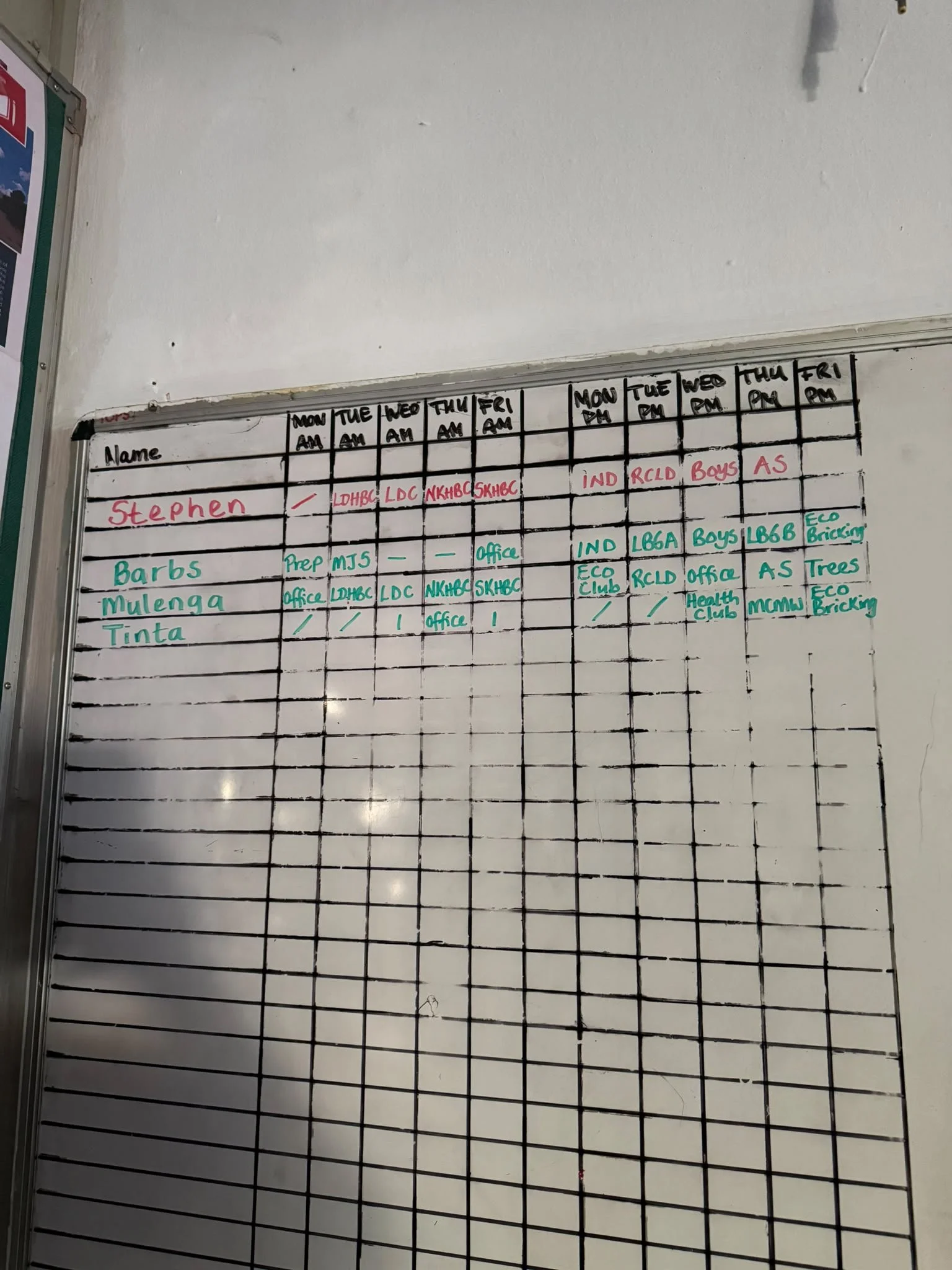
The upside is that I have had the extraordinary privilege of spending my first couple of days getting to know the local team properly. Sander, Mulenga, Barbs, Tinta and Phoebe have welcomed me with remarkable warmth, and by the end of the first afternoon it already felt less like arriving somewhere unfamiliar and more like being gently folded into an existing family.
Not that my confidence survived the flight.
Somewhere between Johannesburg and Livingstone I suffered a fairly determined attack of imposter syndrome.
I am not a doctor or a nurse. I cannot diagnose illnesses, prescribe treatments or perform procedures. For a little while, somewhere over Botswana, I found myself wondering whether, after all this planning, I would actually be useful.
The reality is that none of the volunteers, even the qualified medics, diagnose patients, prescribe treatments or make clinical decisions. Those responsibilities quite rightly remain with the local healthcare professionals. Our role is to support them: preparing equipment, recording patient histories, assisting with wound care, helping however we can and, just as importantly, spending time with people who often have very few visitors.
Back home, my medical experience extends to taking my dad's blood pressure and trying not to make him laugh while the cuff is inflating. Here, one of my jobs is making sure the blood pressure equipment is packed, the dressings are stocked, the patient records are ready and the enormous red backpack contains everything the team might need before we head out into the community.
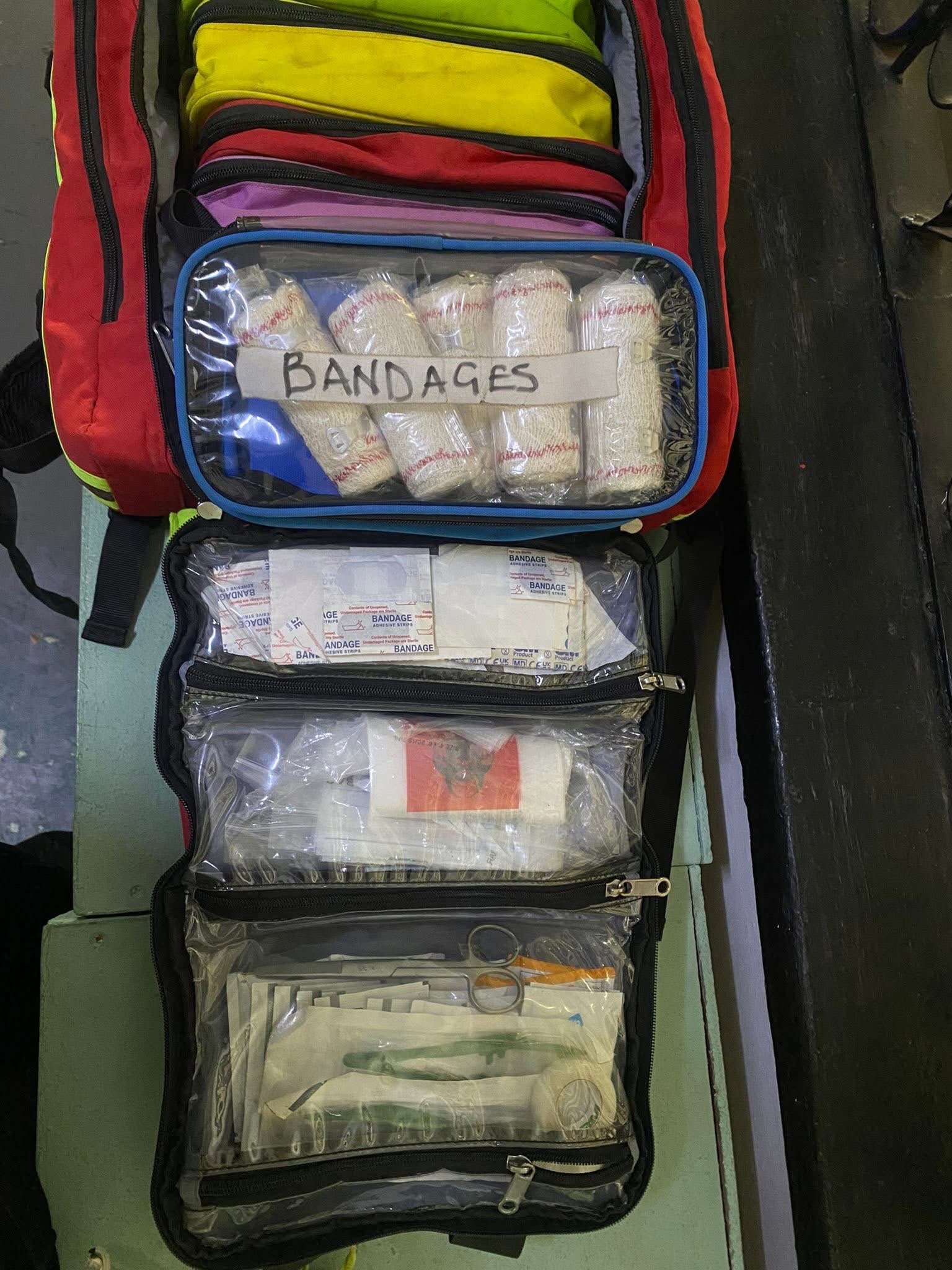
It doesn't sound glamorous, but by the time that backpack is slung onto someone's shoulders, it represents the difference between care being available that morning or not.
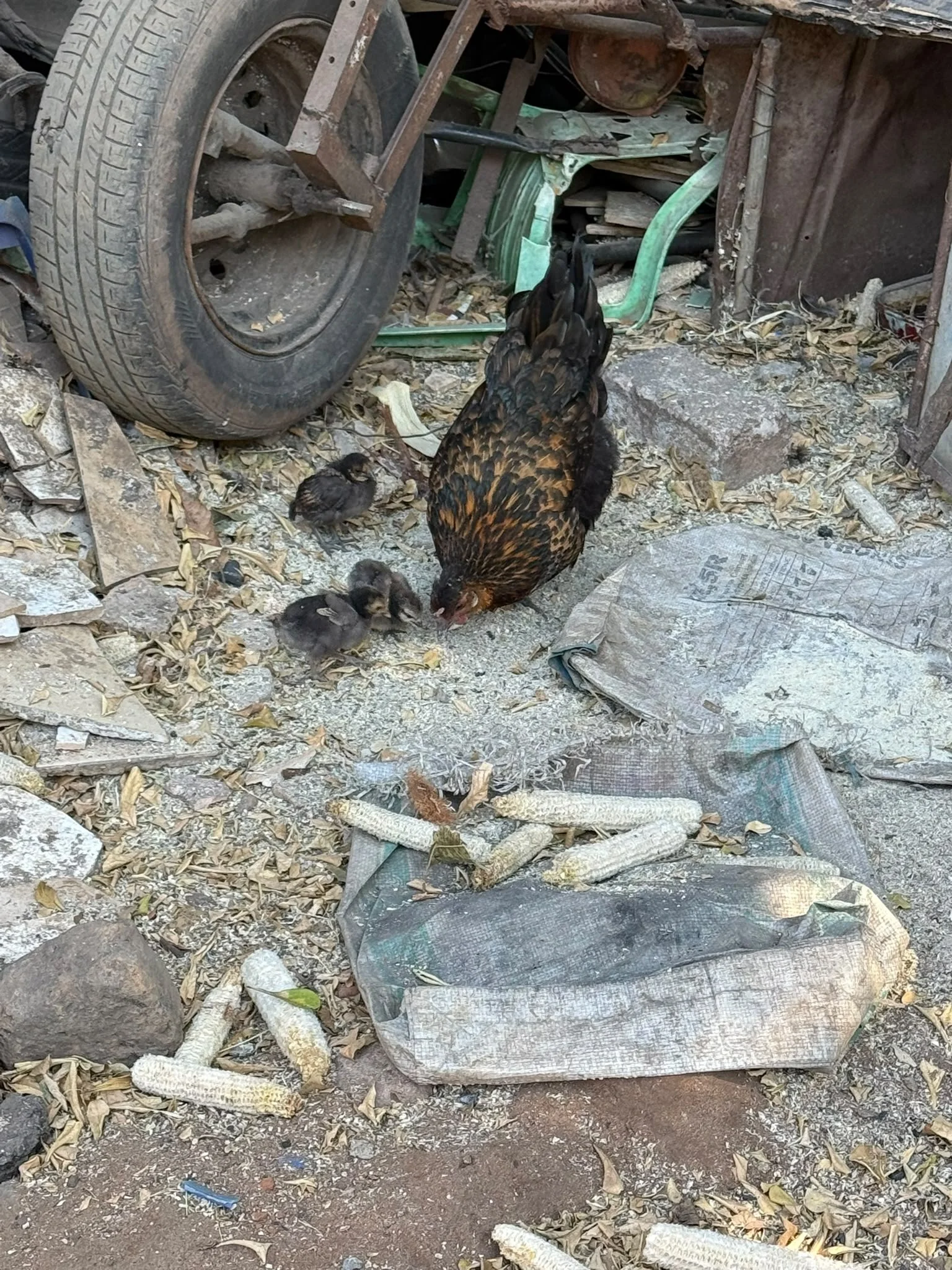
On Tuesday, Mulenga and I walked the dusty roads of Linda community. Chickens wandered happily between the houses and, during the night, elephants had passed through, leaving unmistakable evidence of their visit and donating several fallen branches that local residents were already transforming into firewood.
We spent the morning visiting patients in their homes. We cleaned wounds, changed dressings, recorded progress and made sure each person had what they needed before moving on to the next house. Some of the wounds are severe, many take months to heal, and the advice to "keep the weight off it" is often simply incompatible with earning a living or caring for a family.
One thing struck me more than anything else, though.
None of the patients seemed remotely interested in whether I held a medical qualification.
They were pleased that somebody had come.
It reminded me that care isn't always about having the answers. Sometimes it's about showing up, listening and making sure somebody knows they haven't been forgotten.
On Tuesday afternoon I found myself in an outdoor classroom, helping children with their English before reading Puss in Boots and talking through the story together.
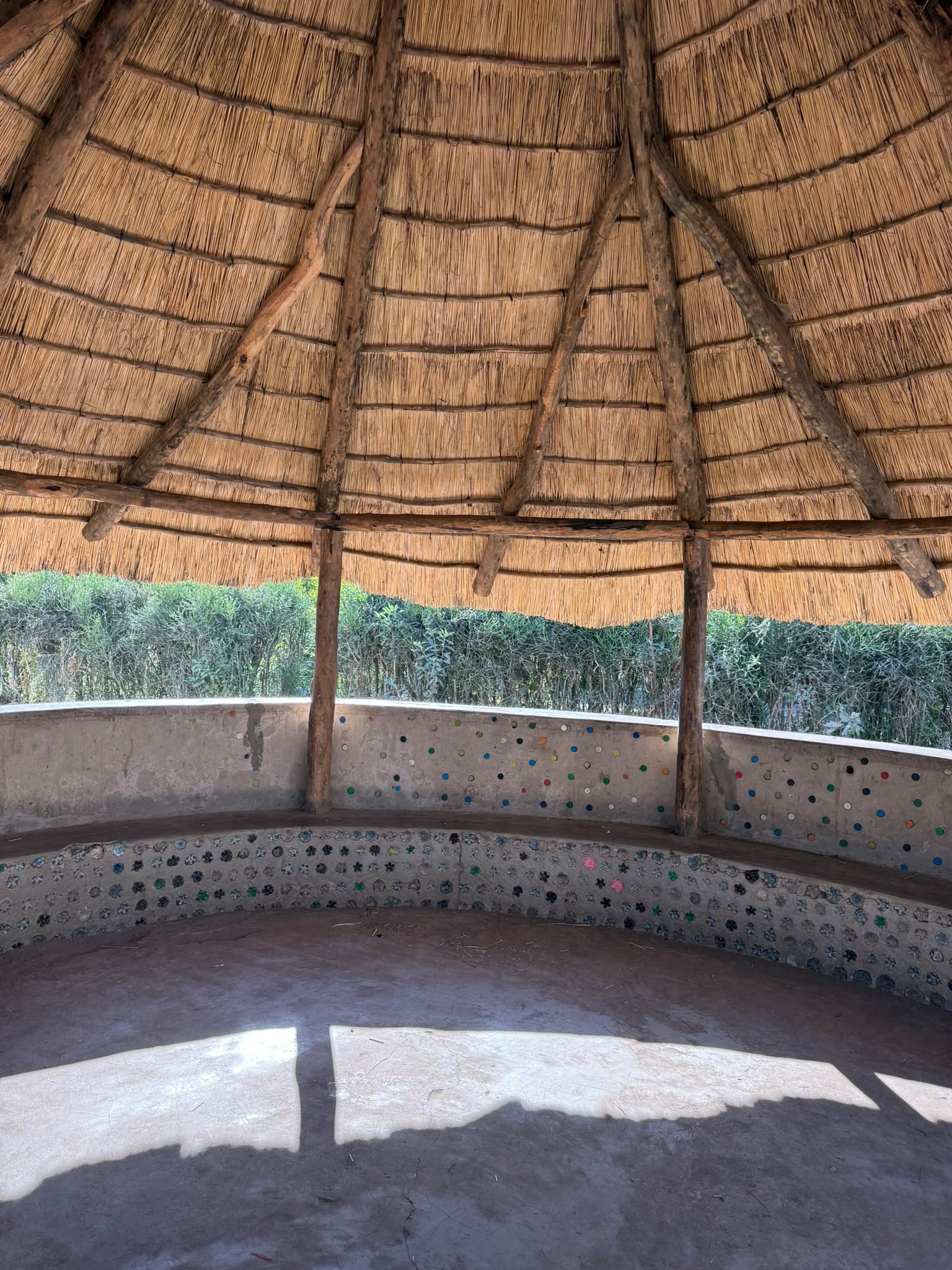
It struck me afterwards that my first full day in Zambia had taken me from wound dressings to word searches, from patient histories to storybooks, from elephant tracks to English lessons.
Not once did anybody ask whether I was a nurse.
They simply asked whether I was willing to help.
That's what volunteering has always been about. Not pretending to know everything, but quietly offering what you can, learning from people who know far more than you do and discovering that usefulness comes in more forms than you first imagined.
It is only my first week, and I still have a lot to learn.
But I think the imposter has already packed his bags and gone home.