What Happens Next?
On 1 August 2006, at the age of twenty, I was diagnosed with HIV.
There are many things I remember about that day, although memory has a habit of polishing some details while quietly misplacing others.
I remember the clinic room. It was small and unremarkable, with little more than a desk, two chairs and a window looking out onto a tree through a set of tired, faded blinds.
There was nothing about it to suggest that it was the place where my life would divide itself into a before and an after.
I remember the conversations that followed and the strange sensation that time had somehow sped up and slowed down at exactly the same moment. More clearly than any of those things, however, I remember a single question.
“What happens next?”
I asked it repeatedly, sometimes aloud but more often in my own head. Would I stay healthy? What would my future look like? Would people still see me in the same way? Would I still be able to build the life I wanted?
At twenty years old, I desperately wanted certainty.
Life, unfortunately, rarely provides that. What it offered instead was something much more valuable: time.
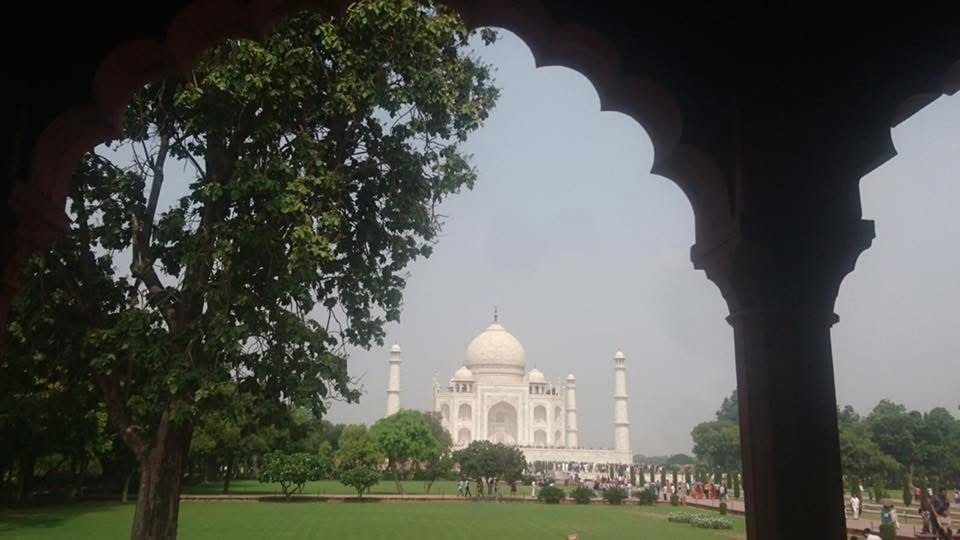
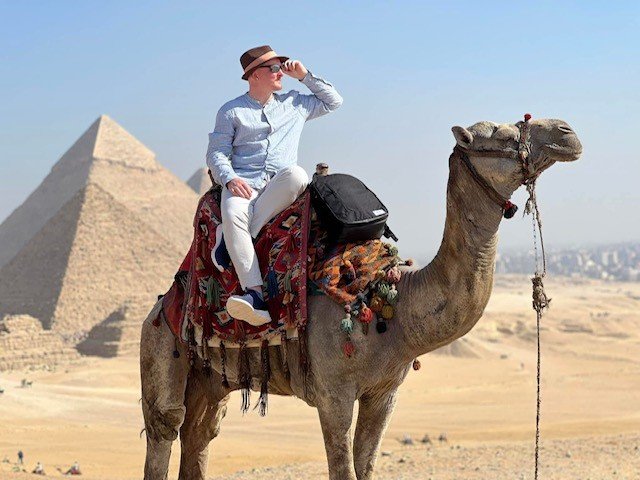
Time to learn, to discover that many of the things I feared never happened and to realise that a diagnosis, while significant, does not define an entire life. Time to meet people I could never have imagined meeting, to travel to places I had never expected to visit and to build a life that twenty-year-old me simply could not see from where he was sitting.
Twenty years later, I still do not know what happens next, but then none of us do. The question follows us through life, appearing after diagnoses and bereavements, as careers change, relationships begin or end, and one chapter quietly gives way to another, marking our milestones and triumphs as we stand on the edge of something new. Sometimes with excitement, sometimes with fear and often with a little of both.
Again and again, throughout our lives, we find ourselves standing on the edge of something new, asking the same question: "What happens next?"
What I know now is that uncertainty is not always something to fear. Sometimes it is simply the space in which life has not happened yet. Sometimes it's where the best things begin.
As I write this, my bags are packed, the tickets are printed, the vaccinations are done and the fundraising has exceeded every expectation I had when I first launched this project. Most impressively of all, my passport is exactly where it is supposed to be, which feels like an achievement deserving formal recognition in its own right.
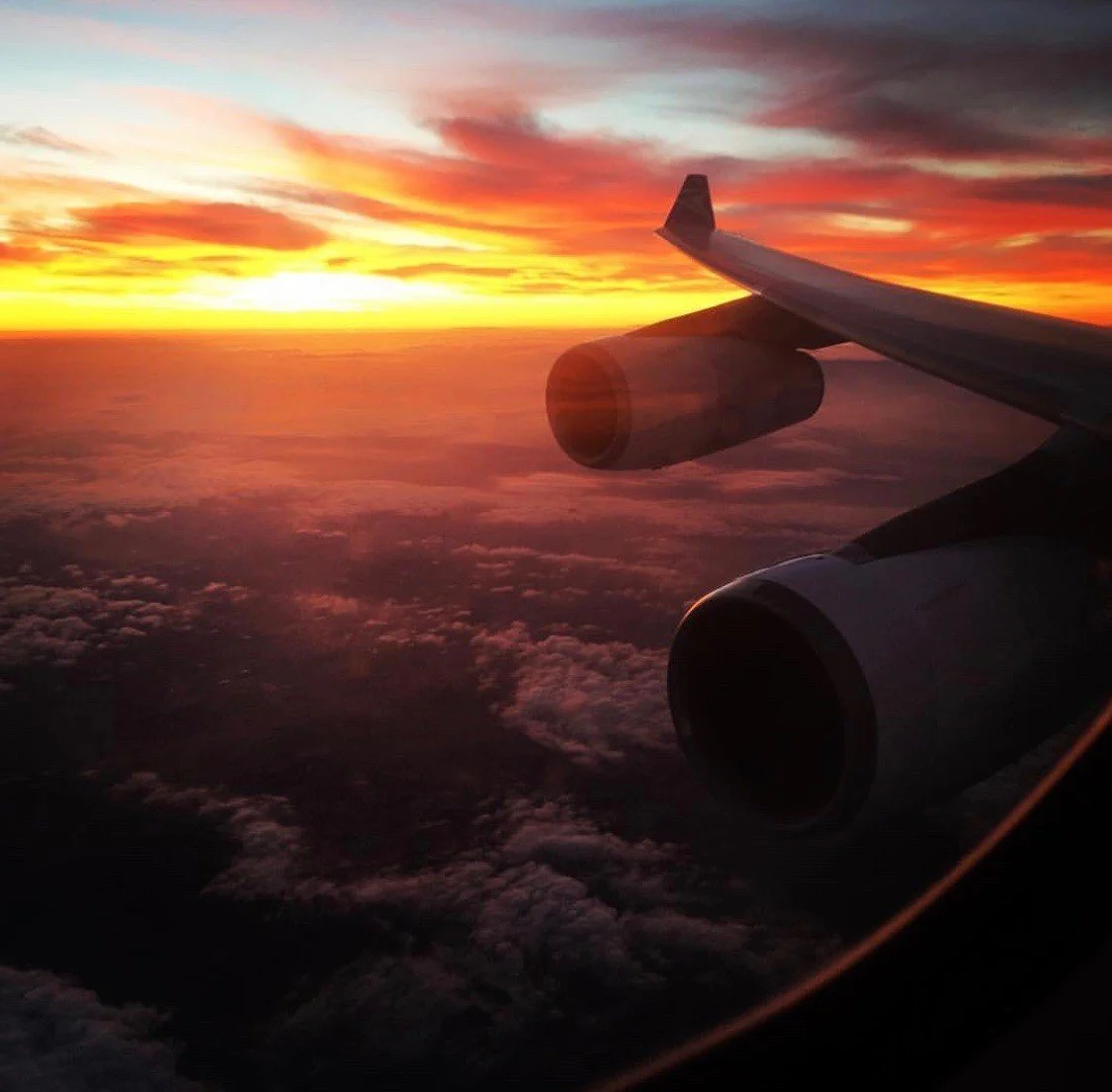
In a few hours, I will leave home and begin the journey to Zambia.
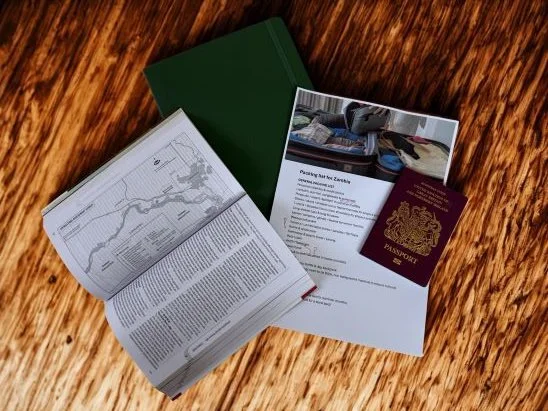
Over the past few weeks, I have written about packing lists, mosquito conspiracies, airport hotels, fundraising, volunteering and all the curious little details that somehow accompany a journey like this. Looking back, I am not sure those blogs were ever really about any of those things.
They were about anticipation: that strange period when something important is close enough to feel real but still far enough away that it exists mostly in lists, emails, conversations and imagination. They were about preparing to leave while quietly beginning to realise that, in some ways, the journey had already started.
Now, though, the preparation is finished. There are no more vaccinations to organise, no more flights to book and, unless I've forgotten something spectacularly important, very little left to plan.
The next part of the story will not be written from Hampshire. It will be written from Zambia, twenty years after my diagnosis and ten years after volunteering in South Africa.
When I think about that twenty-year-old version of myself sitting in the clinic and worrying about the future, I wish I could tell him not to spend quite so much time trying to predict it. Most importantly, though, I'd tell him that the question never goes away. You just learn not to be frightened of it.
There would be difficult days, unexpected detours and moments of joy he could not possibly imagine. Some of the best and worst things to happen to him would arrive entirely unannounced, but life would become much bigger than the fears filling that small room.
That, perhaps, is what has changed most in twenty years. I no longer think the value lies in knowing the answer. It lies in being willing to find out.
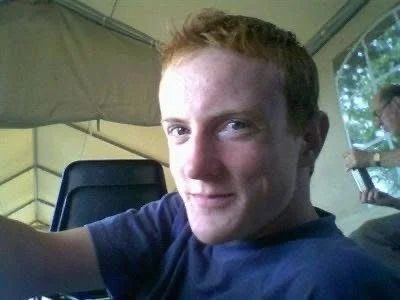
I would tell him that the future rarely reveals itself all at once. It arrives gradually, through friendships, heartbreaks, mistakes, laughter, opportunities and thousands of ordinary days that quietly accumulate into a life.
For all its imperfections, it has turned out to be a remarkable thing.
Today, standing on the edge of another adventure, I find myself asking exactly the same question I asked in that clinic room. This time, however, I am not frightened by the absence of an answer.
I am looking forward to discovering it.
If you have read these Departures blogs, thank you for coming this far with me. It has meant more than you probably realise. This chapter is over, and the next entries will be written from Zambia.
So here goes.
What happens next?