
As preparations for Zambia continue, I have become increasingly aware that there is another group making plans for September.
The mosquitoes.
I have no evidence for this. No documents have been intercepted, no intelligence reports have been received, and yet I remain convinced that somewhere in southern Africa a mosquito committee has gathered to discuss my arrival.
An agenda has been circulated, minutes have been taken and, because every committee eventually reaches this point, I assume there is a PowerPoint presentation.
“I Am Preparing for Zambia. The Mosquitoes Have Formed a Working Group.”
This may sound unreasonable.
Unfortunately, my history with insects suggests otherwise.
For reasons I have never fully understood, flying things seem able to locate me with extraordinary efficiency.
If there are ten people sitting in a garden and one mosquito, it will find me.
If there are twenty people on a campsite and a single biting insect within a three-mile radius, it will find me.
If there is one wasp in Hampshire, I have every confidence it already knows my home address.
I don't know how this works. Perhaps I smell delicious, perhaps I emit some form of navigational beacon, or perhaps insects simply enjoy a challenge. Then again, they may simply recognise quality when they see it.
Whatever the explanation, we have a history.
The frustrating thing is that I don't actually dislike insects. Bees are wonderful, ladybirds are entirely welcome and spiders are gently relocated rather than harmed. Even wasps, despite years of psychological warfare, are usually escorted outside with a degree of respect.
Admittedly it is respectful in the same way that one might respect an unexploded bomb, but the principle remains the same.
The insects, however, do not appear to share my commitment to peaceful coexistence.
As a result, a surprising amount of my Zambia preparation has involved researching methods of convincing mosquitoes that I am not an appropriate dining option.
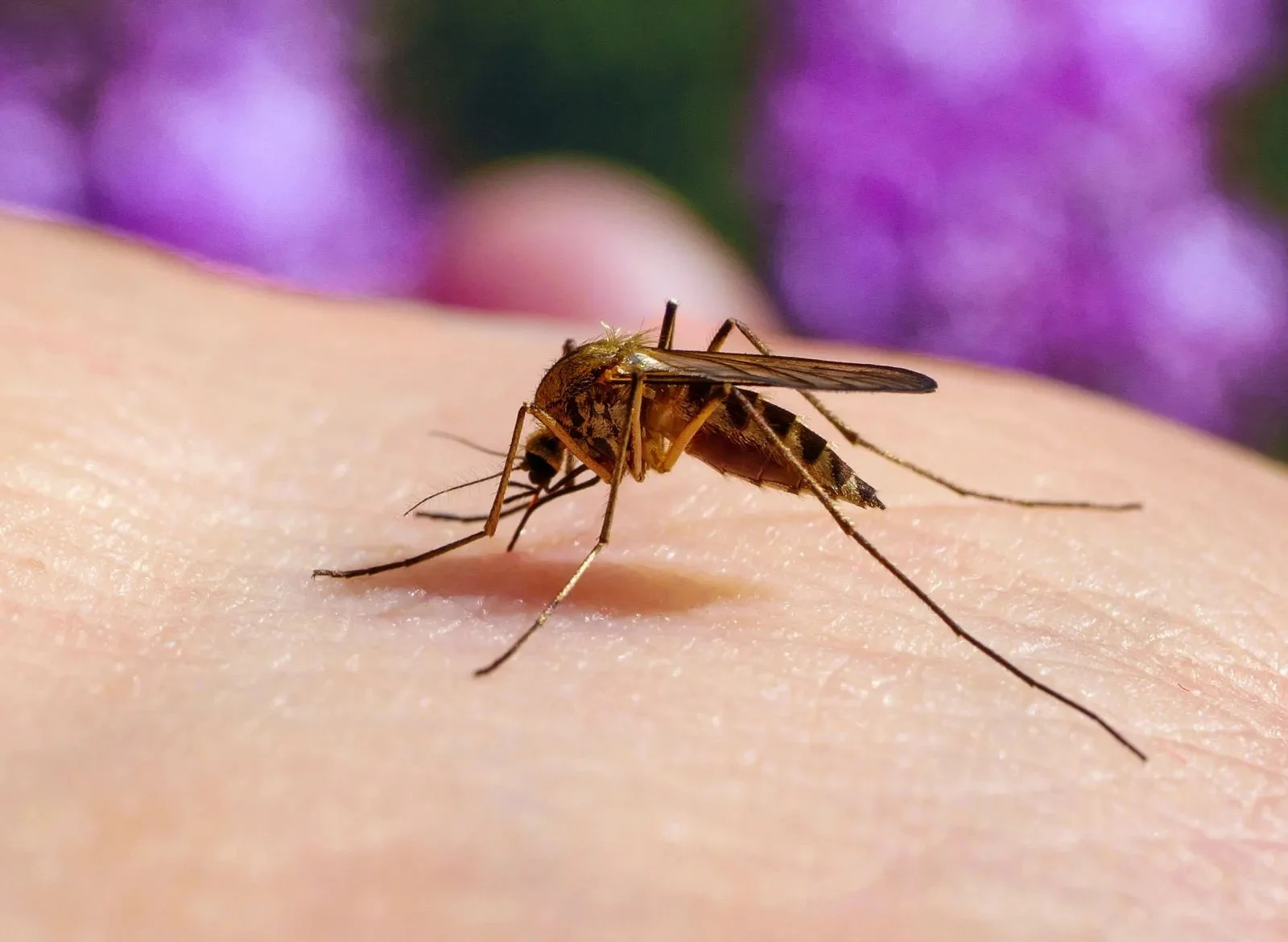
There are repellents, sprays, long sleeves, mosquito nets and tablets, alongside enough websites to suggest that humanity has been losing this particular argument for centuries.
Every article confidently explains how to reduce your attractiveness to mosquitoes, yet none explains how to eliminate it entirely. This feels like an omission.
The further I venture into mosquito-prevention literature, the more I become convinced that mosquitoes operate less like insects and more like a highly organised international syndicate.
They have territory, strategy and persistence. Most importantly, they appear to have excellent intelligence-gathering capabilities.
I remain unconvinced that my arrival date has not already been circulated.
Still, all of this preparation serves a useful purpose. A few months ago Zambia existed mostly as a future event; now I am comparing insect repellents and contemplating the logistics of sleeping under a mosquito net. That feels like progress. Slightly ridiculous progress, admittedly, but progress nonetheless.
And if the mosquitoes have indeed been briefed about my arrival, I would like it formally recorded that I have also been preparing.
Admittedly they probably have the advantage. They are numerous, determined and highly motivated. I, however, have access to modern medicine, several varieties of insect repellent and what I believe is an above-average level of stubbornness.
The outcome remains uncertain. Somewhere, I suspect, the mosquito committee is saying exactly the same thing.
I shall keep you updated on developments.